
DR Pradeep Sinha
About Me
DR Pradeep Sinha
BDS
Dentist
10 Years Experience
Biography
My Clinic
OPD Hours
| Monday | Morning | 10:00 AM | - | 02:00 PM |
| Evening | 06:00 PM | - | 09:00 PM | |
| Tuesday | Morning | 10:00 AM | - | 02:00 PM |
| Evening | 06:00 PM | - | 09:00 PM | |
| Wednesday | Morning | 10:00 AM | - | 02:00 PM |
| Evening | 06:00 PM | - | 09:00 PM | |
| Thursday | Morning | 10:00 AM | - | 02:00 PM |
| Evening | 06:00 PM | - | 09:00 PM | |
| Friday | Morning | 10:00 AM | - | 02:00 PM |
| Evening | 06:00 PM | - | 09:00 PM | |
| Saturday | Morning | 10:00 AM | - | 02:00 PM |
| Evening | 06:00 PM | - | 09:00 PM | |
| Sunday | Morning | 10:00 AM | - | 02:00 PM |
| Evening | 06:00 PM | - | 09:00 PM |
Treatments
Specialised care and treatments offered
TEETH WHITENING
This cosmetic procedure aims at enhancing the brightness of teeth affected by stains from food consumption or aging. Teeth whitening can be achieved via in-office treatments or at-home kits prescribed by dentists based on individual preferences & needs.
- Common Causes : Stains arise mainly from lifestyle choices including coffee consumption , tobacco use , etc. ; understanding these factors helps tailor prevention protocols post-whitening .
- Treatment Process : In-office methods utilize high-concentration bleaching agents monitored closely while home-kits offer custom trays with lower strength gels suitable over longer periods .
DENTAL IMPLANTS
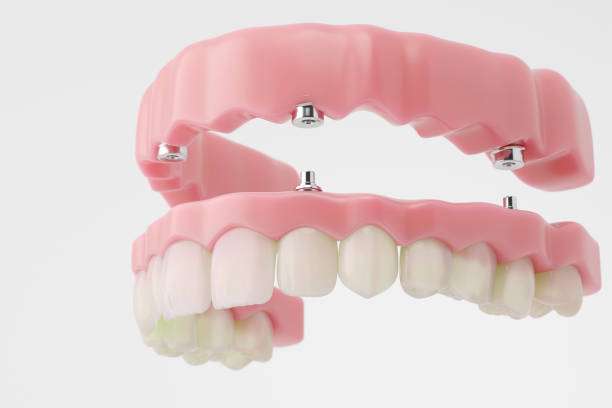
Dental implants serve as a permanent solution for missing teeth, providing stability similar to natural roots. They consist of titanium posts surgically anchored into the jawbone with crowns attached afterward for aesthetic purposes.
- Surgery Necessity: Candidates must have healthy gum tissue and sufficient bone density for supporting implants; otherwise preliminary procedures may be suggested before implant placement occurs
Proper follow-up care ensures long-lasting results thus improving overall smile aesthetics .
ROOT CANAL THERAPY
This endodontic procedure is often necessary when decay reaches the inner pulp of a tooth. Root canal therapy aims to save a tooth that would otherwise need extraction due to infection or damage.
- Critical Indicators:: Severe toothache, sensitivity to temperature changes, or swelling around the gums indicate potential pulp damage requiring treatment.
If performed correctly by an experienced professional , root canals alleviate pain while preserving natural teeth .
TOOTH SENSITIVITY
This condition describes discomfort or pain in teeth upon exposure to certain stimuli like hot or cold temperatures. Tooth sensitivity can significantly impact daily activities such as eating and drinking.
- Causative Factors: Common contributors include worn enamel from aggressive brushing or abrasive tooth paste use.
- Symptoms:: Patients report sharp pain when consuming cold beverages, hot food items or even breathing in cold air.
- Treatment Options:: Mild cases are often addressed with desensitizing toothpaste; severe cases may require treatments like fluoride varnishes or dental sealants.
A proper assessment ensures effective management of tooth sensitivity for better quality of life for patients experiencing this condition.
GUM DISEASE
The term gum disease refers to infections that affect the tissues surrounding the teeth. It typically begins as gingivitis but can progress to periodontitis if not treated timely.
- Symptoms: Common indicators include swollen gums, persistent bad breath, and bleeding during brushing or flossing.
- Causes: The primary cause is plaque buildup due to inadequate oral hygiene practices.
- Diagnosis: Diagnosis is made during routine dental exams where dentists measure gum pockets and assess inflammation levels.
- Treatment Options: Initial treatments may involve professional cleanings; advanced cases might require surgical intervention or antibiotics.
Keen awareness of symptoms promotes early diagnosis and treatment, helping preserve both gums and overall oral health.
CAVITIES
Cavities, also known as dental caries, are a common dental issue caused by the demineralization of tooth enamel. They can affect individuals of all ages and often result from poor oral hygiene practices.
- Symptoms: Early signs include tooth sensitivity, pain when biting, and visible holes or pits in the teeth.
- Causes: The primary cause is the accumulation of plaque, which contains bacteria that produce acids that erode enamel.
- Diagnosis: Dentists typically diagnose cavities through visual examinations and X-rays to assess the extent of decay.
- Treatment Options: Management includes fillings for minor cavities, crowns for more extensive decay, and root canals for severe cases.
- Prevention: Regular dental check-ups, proper brushing and flossing routines, and a balanced diet can help prevent cavities.
If left untreated, cavities can lead to more severe dental problems. Early intervention is key to maintaining oral health.