
Dr Pradyumn Shar
About Me
Dr Pradyumn Shar
MBBS
General Physician
10 Years Experience
Biography
My Clinic
OPD Hours
| Monday | Morning | 10:00 AM | - | 02:00 PM |
| Evening | 06:00 PM | - | 09:00 PM | |
| Tuesday | Morning | 10:00 AM | - | 02:00 PM |
| Evening | 06:00 PM | - | 09:00 PM | |
| Wednesday | Morning | 10:00 AM | - | 02:00 PM |
| Evening | 06:00 PM | - | 09:00 PM | |
| Thursday | Morning | 10:00 AM | - | 02:00 PM |
| Evening | 06:00 PM | - | 09:00 PM | |
| Friday | Morning | 10:00 AM | - | 02:00 PM |
| Evening | 06:00 PM | - | 09:00 PM | |
| Saturday | Morning | 10:00 AM | - | 02:00 PM |
| Evening | 06:00 PM | - | 09:00 PM | |
| Sunday | Morning | 10:00 AM | - | 02:00 PM |
| Evening | 06:00 PM | - | 09:00 PM |
Treatments
Specialised care and treatments offered
HEARTBURN
This common digestive issue affects many people leading occasionally discomfort from acid reflux. Understanding its causes helps manage symptoms effectively promoting better digestive health practices across daily routines!
- ( < span style='font-weight:bold;'>Symptoms: ) Typical experiences involve burning sensations behind sternum area correlating lesser levels acidity increasing often post meals triggering distress .
- (< span style='font-weight:bold;'>Causes: ) Largely attributed factors surround overeating habits paired along greasy food items higher caffeine consumption contributing escalating instances if unchecked over longer intervals might develop chronicity requiring further intervention initially classified under gastroesophageal reflux disease (GERD). < / l i >
(detailed descriptions omitted)
SEASONAL ALLERGIES

This condition arises due to the immune system's response to specific allergens present during certain seasons. Understanding seasonal allergies is vital for effective management strategies that enhance quality of life during allergy seasons.
- Symptoms: Often manifesting as sneezing , runny nose , itchy eyes , or even skin reactions when exposed .
- Causes: Typically triggered by pollen from trees , grasses , or weeds depending upon time period involved .
- Diagnosis: Identifying triggers generally requires discussion regarding symptoms alongside allergy testing through skin prick tests or blood work .
- Treatment/Management: Antihistamines prove effective relieving discomfort alongside avoidance measures while environmental controls assist mitigating exposure outdoors .
- (< span style='font-weight:bold;'>What To Expect:) With adherence toward treatment plans most individuals notice substantial relief enabling them enjoy daily activities without significant interruptions caused by symptoms.
An informed commitment facilitates smoother transitions through challenging periods where allergies frequently arise enhancing overall living standards !
OBESITY MANAGEMENT
The rising prevalence of obesity is a crucial public health issue that poses various health risks. Successfully addressing this condition requires comprehensive strategies tailored to individual needs.
- Symptoms: Often identified through body mass index (BMI) metrics; associated with numerous health complications including type 2 diabetes and heart diseases.
- Causes: A mix of genetic factors combined with unhealthy eating habits , sedentary lifestyles ,and environmental influences contribute heavily toward obesity.
- Diagnosis: Measurement through BMI calculation alongside patient history provides insight into weight-related issues.
- Treatment/Management: Focused on lifestyle modifications encompassing balanced nutrition plans ,consistent physical activity ,and behavioral therapy aimed at achieving gradual weight loss as it has proven more sustainable long term.
- What To Expect: Commitment toward these changes usually leads towards improved overall well-being including lower risk factors associated with chronic diseases arising from being overweight.
Taking charge over personal health deserves proper attention leading down paths where enhanced fitness coupled care gains transformative effects both physically mentally!
ASTHMA
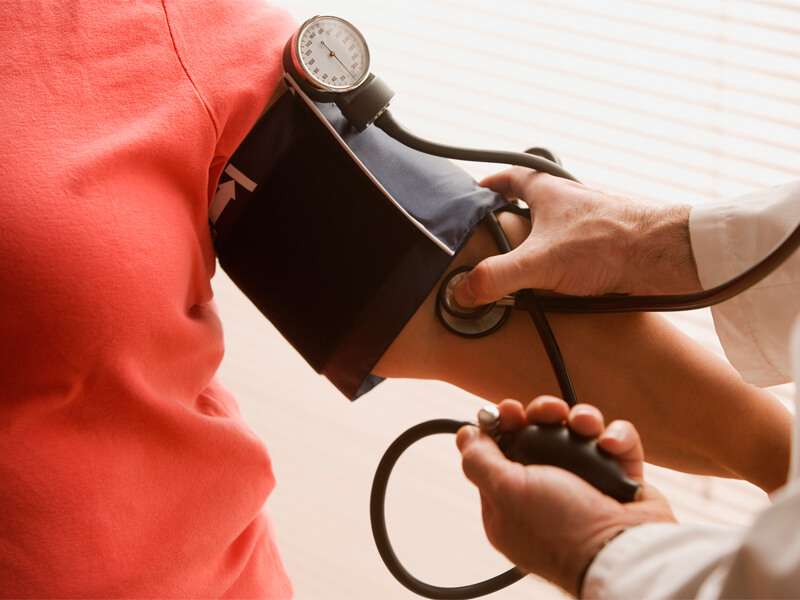
Asthma is a chronic respiratory condition that affects airways in the lungs. It can cause difficulty in breathing due to inflammation and narrowing of air passages. Understanding asthma can empower patients in their management strategy.
- Symptoms: Common asthma symptoms include wheezing, coughing (especially at night), chest tightness, and shortness of breath.
- Causes: Asthma triggers may include allergens like pollen or dust mites, respiratory infections, exercise-induced factors, or air pollutants.
- Diagnosis: A thorough medical history followed by lung function tests helps confirm asthma diagnosis and severity level.
- Treatment/Management:Your treatment plan typically involves using inhalers for quick relief during an asthma attack along with preventive medications like corticosteroids to reduce inflammation.
- What to Expect:
DIABETES MANAGEMENT
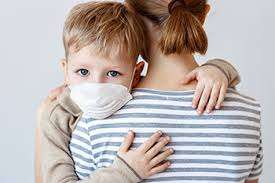
Diabetes is a metabolic disorder characterized by high blood sugar levels resulting from the body's inability to effectively use insulin. Managing diabetes is vital for preventing long-term complications.
- Symptoms: Common signs include increased thirst, frequent urination, fatigue, and blurred vision.
- Causes: Factors include genetic predisposition, obesity, poor diet, and sedentary lifestyle.
- Diagnosis: Blood tests measuring glucose levels help confirm the diagnosis of diabetes.
- Treatment/Management: Effective management includes regular monitoring of blood glucose levels, dietary changes focusing on nutrient-dense foods, physical activity, and medication when necessary.
- What to Expect: Adopting these practices can aid in controlling blood sugar levels and reducing risks of complications such as neuropathy or cardiovascular issues.
A proactive approach towards managing diabetes can enhance quality of life and prevent serious health problems down the line.
HYPERTENSION
Hypertension, commonly known as high blood pressure, is a significant health concern that can lead to serious complications if not managed properly. It often develops silently, making regular check-ups essential for early detection.
- Symptoms: Many individuals may not experience noticeable symptoms, but some may have headaches, dizziness, or nosebleeds.
- Causes: Factors such as obesity, lack of physical activity, a diet high in salt, and genetics can contribute to this condition.
- Diagnosis: Blood pressure readings taken during routine medical exams can diagnose hypertension. Additional tests may be needed to determine underlying conditions.
- Treatment/Management: Lifestyle modifications such as adopting a heart-healthy diet, regular exercise, reducing alcohol intake, and managing stress are crucial in controlling blood pressure.
- What to Expect: With proper management, individuals can lead healthy lives while minimizing the risk of complications like heart disease and stroke.
Monitoring your blood pressure regularly and adhering to the recommended lifestyle changes can significantly improve your overall health outcome.