
Dr Pradyumna Goy
About Me
Dr Pradyumna Goy
MD
Dermatologist
Biography
My Clinic
OPD Hours
| Monday | Morning | 10:00 AM | - | 02:00 PM |
| Evening | 06:00 PM | - | 09:00 PM | |
| Tuesday | Morning | 10:00 AM | - | 02:00 PM |
| Evening | 06:00 PM | - | 09:00 PM | |
| Wednesday | Morning | 10:00 AM | - | 02:00 PM |
| Evening | 06:00 PM | - | 09:00 PM | |
| Thursday | Morning | 10:00 AM | - | 02:00 PM |
| Evening | 06:00 PM | - | 09:00 PM | |
| Friday | Morning | 10:00 AM | - | 02:00 PM |
| Evening | 06:00 PM | - | 09:00 PM | |
| Saturday | Morning | 10:00 AM | - | 02:00 PM |
| Evening | 06:00 PM | - | 09:00 PM | |
| Sunday | Morning | 10:00 AM | - | 02:00 PM |
| Evening | 06:00 PM | - | 09:00 PM |
Treatments
Specialised care and treatments offered
SEBORRHEIC DERMATITIS
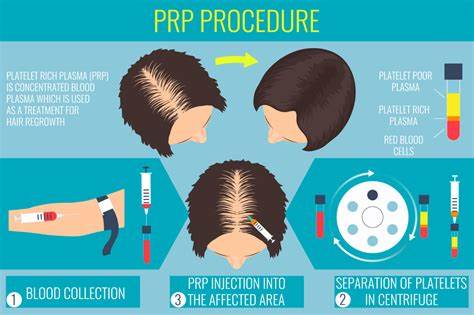
This inflammatory condition primarily affects oily areas such as scalp and face. Seborrheic dermatitis manifests as dandruff-like flakes or greasy patches causing both itchiness and discomfort among patients.
- Symptoms typically involve yellowish scales on reddened bases appearing predominantly around hairlines or eyebrows.
- Diagnosis occurs through clinical evaluation focused on characteristic appearances across affected regions without necessitating extensive tests necessary for other conditions.
- Management often includes medicated shampoos containing ketoconazole combined alongside corticosteroids applied directly onto stubborn regions showing flares whenever indicated.
With proper treatment regimens established under dermatological supervision remission becomes increasingly achievable leading towards healthier living conditions despite susceptibility built within seborrheic dermatitis presentations overall!
SKIN TAG REMOVAL
Skin tags are benign growths that commonly appear in areas where the skin folds. While harmless, many seek removal for cosmetic reasons or discomfort caused by friction.
- The primary symptom includes small flesh-colored bumps that hang off the surface of the skin.
- Diagnosis is straightforward since it relies primarily on visual inspection by your healthcare provider.
- Removal methods often include cryotherapy (freezing), electrosurgery (burning), or excision depending on location and size considerations.
- Post-removal care usually involves keeping the area clean and avoiding irritation during healing periods.
Skin tag removal offers immediate solutions for those bothered by their presence without significant downtime involved.
MELASMA
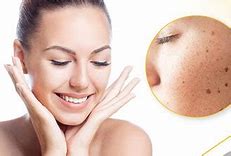
This common skin disorder leads to dark patches on the face. Melasma is often associated with hormonal changes and sun exposure; therefore, prevention plays a key role in management strategies.
- The main symptoms are brown or gray-brown patches found on the cheeks, forehead, nose, or chin.
- A dermatologist will perform a thorough exam alongside discussion regarding medical history for accurate detection.
- Treatments usually consist of topical agents containing hydroquinone or tretinoin; sun avoidance is crucial during treatment periods.
- Chemical peels may also be integrated into patient care plans for enhanced results over time.
Understanding melasma helps patients manage their expectations while navigating treatment routes successfully.
ECZEMA
Eczema refers to a group of conditions that cause the skin to become inflamed or irritated. It's most prevalent in children but can persist into adulthood. This chronic condition presents challenges but can be managed with proper care.
- The primary symptoms include itching, redness, and swelling, which may lead to sleepless nights due to discomfort.
- A healthcare professional will typically diagnose eczema based on medical history and a physical examination of the affected areas.
- Treatment strategies involve moisturizing regularly along with topical steroids or calcineurin inhibitors to control flare-ups.
- Pediatric cases sometimes require additional care strategies for practical management at school or home environments.
Coping with eczema involves understanding triggers and establishing an effective skincare routine for long-term relief.
PSORIASIS
This chronic autoimmune condition leads to rapid skin cell multiplication; patients often experience patches of red, itchy skin covered with silvery scales. Although it can significantly affect quality of life, effective treatments are available.
- Main symptoms involve dry patches that can crack and bleed, often appearing on elbows, knees, and scalp.
- The diagnosis is made through a physical exam by evaluating the characteristic appearance of the lesions.
- Treatment options range from topical treatments like corticosteroids to systemic medications for more severe cases impacting overall health.
- Patients may also benefit from light therapy which uses controlled exposure to ultraviolet light.
A comprehensive approach tailored to individual needs can manage psoriasis effectively over time.
ACNE VULGARIS
Acne vulgaris is a common skin condition that affects individuals of all ages, particularly teenagers. It occurs when hair follicles become clogged with oil and dead skin cells, leading to various forms of blemishes such as pimples and cysts.
- Symptoms include blackheads, whiteheads, and inflamed red spots that can lead to scarring if not treated appropriately.
- This condition is typically diagnosed through a physical examination of the skin, where the dermatologist assesses the type and severity of the acne.
- Treatment options may include topical retinoids, antibiotics, or hormonal therapies aimed at reducing inflammation and bacterial growth.
- In some cases, laser therapy or chemical peels can also be recommended to improve skin texture and appearance.
- Patients can expect gradual improvement in their skin's condition over weeks to months with consistent treatment adherence.
Understanding acne vulgaris helps in managing symptoms effectively and reducing its impact on daily life.