
DR Prafull Mahars
About Me
DR Prafull Mahars
MBBS
General Physician
10 Years Experience
Biography
My Clinic
OPD Hours
| Monday | Morning | 10:00 AM | - | 02:00 PM |
| Evening | 06:00 PM | - | 09:00 PM | |
| Tuesday | Morning | 10:00 AM | - | 02:00 PM |
| Evening | 06:00 PM | - | 09:00 PM | |
| Wednesday | Morning | 10:00 AM | - | 02:00 PM |
| Evening | 06:00 PM | - | 09:00 PM | |
| Thursday | Morning | 10:00 AM | - | 02:00 PM |
| Evening | 06:00 PM | - | 09:00 PM | |
| Friday | Morning | 10:00 AM | - | 02:00 PM |
| Evening | 06:00 PM | - | 09:00 PM | |
| Saturday | Morning | 10:00 AM | - | 02:00 PM |
| Evening | 06:00 PM | - | 09:00 PM | |
| Sunday | Morning | 10:00 AM | - | 02:00 PM |
| Evening | 06:00 PM | - | 09:00 PM |
Treatments
Specialised care and treatments offered
ANNUAL HEALTH CHECKUPS
Annual health checkups play an essential role in preventive healthcare by identifying potential health issues before they become significant problems. Regular screenings empower individuals to take charge of their health proactively!
- A typical checkup includes assessments like blood pressure measurement, cholesterol analysis, glucose testing among others aimed at spotting early warning signs of illnesses related to various systems within the body
- Health history discussions regarding lifestyle habits also provide valuable insights into personal risk profiling.
- These visits help guide necessary vaccinations meeting age-specific needs thereby ensuring ongoing protection against infectious diseases.
- Additionally ,physicians use these opportunities educate patients about managing chronic conditions optimally while providing motivation towards achieving wellness goals .
Regular annual checkups ultimately foster healthier communities by encouraging prevention over cure philosophy within healthcare practices!
CARDIOVASCULAR RISK ASSESSMENT

A cardiovascular risk assessment helps identify potential risk factors related to heart diseases before they develop into serious conditions. Early intervention strategies can lead to improved outcomes for patients at risk.
- Common risk factors include high cholesterol levels, hypertension, diabetes, family history of heart disease, smoking habits ,and sedentary lifestyle .
- Diagnosis involves evaluating medical history ,lifestyle factors ,and conducting relevant screening tests including cholesterol level checks .
- Management strategies encompass lifestyle modifications such as adopting a heart-healthy diet ,increasing physical activity ,and potentially initiating pharmacological therapy if required .
- Regular follow-up appointments are crucial ;these allow healthcare providers adapt interventions based on progress .
By understanding individual risks ,patients can take proactive steps towards safeguarding their cardiovascular health .
THYROID DISORDER MANAGEMENT
Thyroid disorders affect metabolism and overall health. These conditions can range from hypothyroidism (an underactive thyroid) to hyperthyroidism (an overactive thyroid), each requiring tailored treatment approaches for effective management.
- Symptoms vary widely; common signs include fatigue, weight fluctuations, temperature sensitivity, or mood changes depending on the type of disorder
- The diagnosis often involves measuring hormone levels through blood tests along with imaging studies when necessary.
- Treatment might involve hormone replacement therapy for hypothyroidism or antithyroid medications for hyperthyroidism; sometimes surgery is considered in severe cases.
- Regular monitoring is essential to ensure hormonal balance is maintained over time; adjustments may be necessary based on ongoing evaluations.
An individualized treatment plan helps those with thyroid disorders maintain optimal health and well-being throughout their lives.
ASTHMA MANAGEMENT
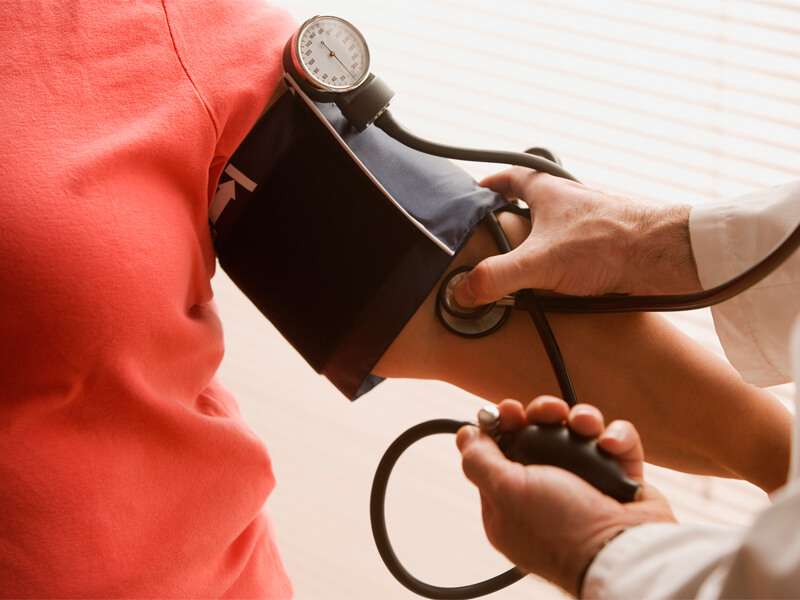
Asthma is a chronic respiratory condition that affects millions globally. Proper understanding and management are paramount for maintaining a good quality of life for those affected by it.
- This condition often manifests through wheezing, chest tightness, shortness of breath, and persistent coughing especially at night or early morning.
- A diagnosis is made based on medical history and physical exams alongside pulmonary function tests to evaluate lung function.
- Treatment strategies may include inhalers for quick relief from symptoms as well as long-term medications such as corticosteroids or beta-agonists for better control.
- Avoiding triggers—such as allergens or smoke—is essential in managing this ailment effectively.
A strong partnership between patients and healthcare providers can significantly improve asthma outcomes through personalized treatment plans.
DIABETES SCREENING AND MANAGEMENT

Diabetes is a chronic condition that requires early detection and ongoing management to prevent serious health complications. With proper care, individuals can lead healthy lives despite their diagnosis.
- Common symptoms include excessive thirst, frequent urination, fatigue, and blurred vision.
- It is diagnosed through fasting blood tests or glucose tolerance tests during routine screenings.
- Treatment focuses on dietary changes, physical activity, and medication management to control blood sugar levels effectively.
- Patient education plays a vital role in empowering patients to manage their condition and recognize signs of complications.
- A comprehensive diabetes management plan includes regular monitoring of blood glucose levels along with periodic doctor visits for optimal care.
Staying informed about diabetes can greatly enhance an individual's ability to manage it effectively over time.
HYPERTENSION MANAGEMENT

Hypertension, commonly known as high blood pressure, is a critical condition affecting many individuals worldwide. It can lead to severe complications if left untreated, making awareness and management essential.
- Key symptoms may include headaches, shortness of breath, or nosebleeds; however, many individuals may be asymptomatic.
- Diagnosis typically involves regular monitoring of blood pressure readings during routine check-ups.
- Management options include lifestyle modifications such as diet and exercise, along with medications like diuretics or ACE inhibitors.
- It's crucial to have regular follow-ups to adjust treatment plans based on individual response and health changes.
- Maintaining normal blood pressure levels significantly reduces the risk of heart disease and stroke.
Effective hypertension management not only improves quality of life but also enhances longevity for affected individuals.