
Dr Prafulla Kerkar
About Me
Dr Prafulla Kerkar
Cardiologist
Biography
My Clinic
OPD Hours
| Tuesday | Morning | 10:00 AM | - | 02:00 PM |
| Evening | 06:00 PM | - | 09:00 PM | |
| Wednesday | Morning | 10:00 AM | - | 02:00 PM |
| Evening | 06:00 PM | - | 09:00 PM | |
| Thursday | Morning | 10:00 AM | - | 02:00 PM |
| Evening | 06:00 PM | - | 09:00 PM | |
| Friday | Morning | 10:00 AM | - | 02:00 PM |
| Evening | 06:00 PM | - | 09:00 PM | |
| Saturday | Morning | 10:00 AM | - | 02:00 PM |
| Evening | 06:00 PM | - | 09:00 PM | |
| Sunday | Morning | 10:00 AM | - | 02:00 PM |
| Evening | 06:00 PM | - | 09:00 PM | |
| Thursday | Morning | 10:00 AM | - | 02:00 PM |
| Evening | 06:00 PM | - | 09:00 PM |
Treatments
Specialised care and treatments offered
PERIPHERAL ANGIOGRAM

This diagnostic test visualizes arteries outside the heart and brain using contrast dye injected into large arteries via catheterization.
- Common Symptoms: Leg pain when walking (claudication) often warrants examination through this methodology.
- Underlying Causes: Conditions such as peripheral artery disease contribute significantly towards reduced blood flow needing evaluation via imaging exposure methods connected herewith.
- Determining Arterial Blockage:Your physician recommends an angiogram facilitates confirmation concerning narrowing/blockage regions enhancing targeted treatment approaches available thereafter.
- Treatment Pathway Analysis:Candidates identified herein may equally qualify either medicative paths aimed at symptoms management punctuated around lifestyle alterations alongside surgical options if deemed necessary post-evaluation discovered affirmatively corresponding arterial irregularities lastingly observed
CARDIAC CATHETERIZATION
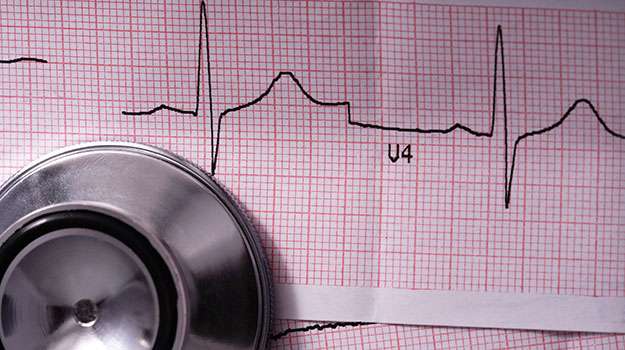
This invasive diagnostic tool allows direct intervention in evaluating coronary artery disease by placing a thin tube through blood vessels into the heart.
- Symptoms Leading Up To This Test: Prolonged chest pain or discomfort could prompt your physician to consider catheterization.
- Causes For Indication: High-risk factors like diabetes and history of cardiac events frequently initiate this examination approach.
- Diagnostic Approach: Radiographic imaging supplies real-time visuals as contrast dye navigates through coronary arteries in conjunction with catheter placement.
- Treatment & Management Post-Catheterization: Interventions like balloon angioplasty and stent placements can be performed immediately upon discovery of significant blockages.
- Post-Procedure Expectations: Patients may require observation but can often resume normal activities relatively quickly depending on their overall health status.
Cardiac catheterization represents an essential method for assessing coronary artery disease while facilitating timely treatment decisions for improved patient outcomes.
STRESS TESTING
A stress test evaluates how well your heart works under physical stress and helps diagnose various heart problems.
- Symptoms Indicating Need: Chest pain, excessive fatigue during exercise, or unexplained arrhythmias can suggest its necessity.
- Diagnostic Procedure: Patients walk on a treadmill while medical staff monitors heart rate and rhythm through telemetry.
- The stress response helps identify any significant issues with blood flow in coronary arteries.
- Treatment Options : Results will determine if lifestyle changes, medications, angioplasty, or other treatments are needed.
- Expectations : The test lasts about an hour including preparation; patients should refrain from heavy meals prior.
Stress tests are effective tools for assessing cardiovascular fitness and identifying underlying conditions before they cause serious problems.
HOLTER MONITORING
A Holter monitor is a portable device that continuously records the heart's rhythms for 24-48 hours.
- Symptoms: It’s often recommended when patients experience palpitations, dizziness, or unexplained fainting spells.
- Causes: Arrhythmias or abnormal heart rhythms often prompt this monitoring to evaluate their frequency and severity.
- Diagnosis: The device is worn on your body while you go about daily activities; it records every heartbeat during that time period.
- Treatment Options: Depending on results, doctors may suggest lifestyle changes, medications, or further tests like an electrophysiological study.
- Expectations: After wearing the monitor, patients will return it for analysis; results typically take a few days to review.
This monitoring technique is crucial for diagnosing intermittent cardiac issues that standard tests might miss.
ECHOCARDIOGRAPHY
This non-invasive imaging technique uses sound waves to create detailed images of the heart's structure and function.
- Symptoms: It is commonly indicated for unexplained shortness of breath, irregular heartbeat, or signs of heart disease.
- Causes: Conditions such as hypertension or previous heart attacks may require this assessment.
- Diagnosis: The process involves placing a transducer on the chest to capture ultrasound images.
- Treatment Management: Echocardiography results help in managing conditions with medication or surgical interventions if necessary.
- What to Expect: The procedure is painless and usually lasts about 30-60 minutes; no special preparation is needed.
Echocardiograms are invaluable for diagnosing numerous cardiac conditions early on, enabling better outcomes for patients.
CORONARY ANGIOGRAPHY
Coronary angiography is a diagnostic procedure used to visualize the blood vessels of the heart.
- Symptoms: Patients may experience chest pain, shortness of breath, or fatigue during activity.
- Causes: Atherosclerosis, where plaque builds up in the coronary arteries, is a common cause leading to this procedure.
- Diagnosis: Typically performed in a hospital setting using X-ray imaging after inserting a catheter into an artery.
- Treatment Options: Results may lead to interventions such as angioplasty or stenting if blockages are found.
- Expectations: Most patients can return home the same day; however, some may need further treatment based on findings.
This procedure provides critical insights into heart health and guides further management effectively.