
Dr Prakash Jain
About Me
Dr Prakash Jain
Cardiologist
Biography
My Clinic
OPD Hours
| Tuesday | Morning | 10:00 AM | - | 02:00 PM |
| Evening | 06:00 PM | - | 09:00 PM | |
| Wednesday | Morning | 10:00 AM | - | 02:00 PM |
| Evening | 06:00 PM | - | 09:00 PM | |
| Thursday | Morning | 10:00 AM | - | 02:00 PM |
| Evening | 06:00 PM | - | 09:00 PM | |
| Friday | Morning | 10:00 AM | - | 02:00 PM |
| Evening | 06:00 PM | - | 09:00 PM | |
| Saturday | Morning | 10:00 AM | - | 02:00 PM |
| Evening | 06:00 PM | - | 09:00 PM | |
| Sunday | Morning | 10:00 AM | - | 02:00 PM |
| Evening | 06:00 PM | - | 09:00 PM | |
| Thursday | Morning | 10:00 AM | - | 02:00 PM |
| Evening | 06:00 PM | - | 09:00 PM |
Treatments
Specialised care and treatments offered
HYPERTENSIVE EMERGENCIES
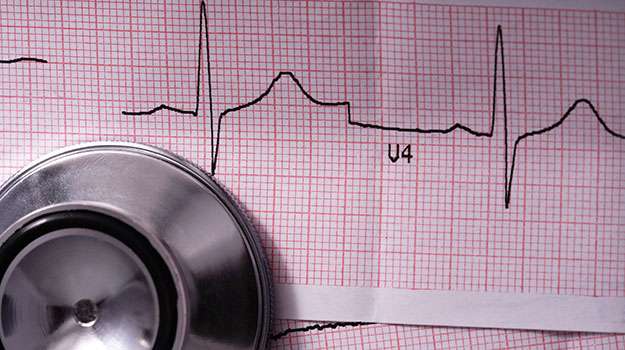
A hypertensive emergency refers to extremely elevated blood pressure presenting acute risks necessitating immediate medical intervention. This condition may result in complications affecting multiple organ systems if not managed promptly.
- Symptoms : Signs might encompass severe headache accompanied by vision disturbances alongside potential chest pain characteristics typical in cardiovascular events.
- Causes : Often linked with non-adherence toward prescribed antihypertensive regimens where lifestyle factors contribute towards exacerbation over time considerably impacting overall well-being.
CORONARY ARTERY BYPASS GRAFTING

This surgical procedure aims to restore normal blood flow to the heart by rerouting blood around blocked arteries. It is commonly performed for patients with significant coronary artery disease who experience symptomatic ischemia.
- Symptoms: Patients often report angina (chest pain), shortness of breath during exertion, and fatigue due to reduced oxygen supply to the heart muscle.
- Causes: Factors leading up to this condition often include accumulations of plaque within coronary arteries resulting from lifestyle choices such as poor diet and lack of exercise.
- Diagnosis : Evaluation typically involves angiography among other imaging techniques that highlight areas requiring intervention.
- Treatment : The bypass procedure uses arteries or veins from other body parts allowing rerouted circulation around blocked sections in every patient’s unique anatomy.
- What to Expect : After surgery hospitalization spans several days followed by gradual rehabilitation tailored for overall cardiac health improvement afterward.
Coronary artery bypass grafting has shown excellent outcomes assisting many patients toward full recovery in functional capability post-surgery.
ATRIAL FIBRILLATION
Atrial fibrillation (AFib) is an irregular heartbeat that can lead to various heart-related complications if left untreated. It often disrupts normal blood flow through the chambers of the heart.
- Symptoms: Common symptoms may include palpitations, dizziness, weakness, or chest discomfort.
- Causes: Several factors contribute to AFib including high blood pressure, thyroid problems, excessive alcohol intake, or previous heart surgery.
- Diagnosis: A thorough assessment involving ECGs or Holter monitors helps in identifying AFib episodes accurately.
- Treatment : Management strategies can involve anticoagulants for stroke prevention along with antiarrhythmic medications or electrical cardioversion procedures.
- What to Expect : Individualized care focuses on regular monitoring and keeping potential complications at bay through proactive management.
Prompt detection and appropriate interventions are vital for maintaining heart rhythm stability in patients suffering from AFib.
CONGESTIVE HEART FAILURE
Congestive heart failure (CHF) is a condition where the heart struggles to pump enough blood to meet the body's needs. It can develop over time due to various underlying cardiovascular issues.
- Symptoms: Patients may experience fatigue, swollen legs or ankles, rapid heartbeat, and persistent cough or wheezing.
- Causes: Conditions like hypertension, coronary artery disease, and valve disorders are common contributors to CHF.
- Diagnosis: Diagnosis typically involves physical examinations, echocardiograms, and blood tests to assess heart function.
- Treatment: Treatment options range from lifestyle changes and medications such as diuretics to advanced therapies like implantable devices or surgery.
- What to Expect: Ongoing management includes monitoring symptoms and regular check-ups with your healthcare provider.
The right treatment plan can help manage symptoms effectively and improve quality of life for individuals with CHF.
MYOCARDIAL INFARCTION
Myocardial infarction, commonly known as a heart attack, occurs when blood flow to a part of the heart is blocked. This blockage can lead to severe damage or even death of heart muscle tissue if not addressed promptly.
- Symptoms: Typical signs include chest pain, shortness of breath, nausea, and sweating.
- Causes: Risk factors include coronary artery disease, high blood pressure, smoking, and high cholesterol.
- Diagnosis: Doctors use electrocardiograms (ECG), blood tests, and imaging studies to confirm a heart attack.
- Treatment: Management often involves medications like aspirin or clot busters, lifestyle changes, and potentially procedures such as angioplasty or bypass surgery.
- What to Expect: Early treatment is crucial for recovery while long-term management includes rehabilitation programs and regular follow-up visits.
Recognizing symptoms early and seeking immediate medical attention can significantly improve outcomes in cases of myocardial infarction.