
Dr Prakash Keswan
About Me
Dr Prakash Keswan
ENDOCRINOLOGIST
Biography
My Clinic
OPD Hours
| Monday | Morning | 10:00 AM | - | 02:00 PM |
| Evening | 06:00 PM | - | 09:00 PM | |
| Tuesday | Morning | 10:00 AM | - | 02:00 PM |
| Evening | 06:00 PM | - | 09:00 PM | |
| Wednesday | Morning | 10:00 AM | - | 02:00 PM |
| Evening | 06:00 PM | - | 09:00 PM | |
| Thursday | Morning | 10:00 AM | - | 02:00 PM |
| Evening | 06:00 PM | - | 09:00 PM | |
| Friday | Morning | 10:00 AM | - | 02:00 PM |
| Evening | 06:00 PM | - | 09:00 PM | |
| Saturday | Morning | 10:00 AM | - | 02:00 PM |
| Evening | 06:00 PM | - | 09:00 PM | |
| Sunday | Morning | 10:00 AM | - | 02:00 PM |
| Evening | 06:00 PM | - | 09:00 PM |
Treatments
Specialised care and treatments offered
ADRENAL INSUFFICIENCY
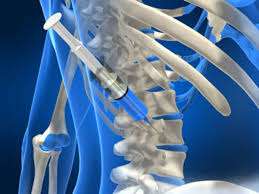
This condition arises when your adrenal glands do not produce adequate amounts of certain hormones. It can result from various causes including autoimmune disorders or chronic infections affecting adrenal function
.- Symptoms include extreme fatigue, muscle weakness , loss of appetite , low blood pressure , and skin darkening .
- Diagnosis typically requires hormone level testing along with an ACTH stimulation test .
- Treatment usually consists of hormone replacement therapy involving glucocorticoids to substitute deficient hormones .
- Periodic evaluations are necessary to monitor dosage adjustments according changes in health status .
- Living well can be achieved through effective management strategies tailored specifically towards individual needs .
Early detection plays a key role in minimizing complications associated with this disorder .
CUSHING'S SYNDROME

Cushing's syndrome results from excessive cortisol production by the adrenal glands. It can lead to various health issues due to high cortisol levels over time. Identifying the cause is critical for effective treatment planning.
- Signs often include rapid weight gain around the midsection, thinning skin, and easy bruising among others.
- The diagnosis generally involves measuring cortisol levels through urine tests or late-night salivary tests alongside imaging studies of adrenal glands if needed.
- Treatment approaches depend on the underlying cause: medications might be used to reduce cortisol production while surgical options exist for tumor removal if applicable.
THYROID NODULES

A thyroid nodule is a lump in the thyroid gland that can be solid or filled with fluid. While most nodules are benign, monitoring is essential due to the potential risk of malignancy in some cases.
- Common symptoms might not be noticeable; however, some may experience difficulty swallowing or breathing if the nodules are large enough.
- Differential diagnosis often includes ultrasound imaging along with fine-needle aspiration biopsy to rule out cancerous cells if necessary.
- Treatment options vary based on the nodule's characteristics; benign nodules usually require simple observation while suspicious ones may need surgical removal.
- An endocrinologist will tailor follow-up plans depending on biopsy results and any changes in nodule size over time.
The majority of patients will have benign nodules that require minimal intervention beyond routine check-ups
POLYCYSTIC OVARY SYNDROME (PCOS)

This hormonal disorder affects women of reproductive age and is characterized by enlarged ovaries containing multiple small cysts. Early intervention is vital for managing its symptoms effectively.
- Symptoms may include irregular menstrual cycles, excessive hair growth, acne, and obesity-related issues.
- The diagnosis often involves a physical examination, blood tests for hormone levels, and possibly ultrasound imaging of the ovaries.
- Treatment may involve lifestyle modifications like diet and exercise along with medications to regulate menstrual cycles or manage insulin resistance.
- Long-term management could also address fertility concerns if they arise later in life.
- With proper guidance, many women find significant relief from PCOS symptoms over time.
Catching PCOS early provides better opportunities for effective management strategies tailored to individual needs.
DIABETES MANAGEMENT

Effective diabetes management is essential for preventing complications associated with this chronic condition. Both Type 1 and Type 2 diabetes require careful monitoring of blood glucose levels and lifestyle adjustments.
- Common symptoms include increased thirst, frequent urination, fatigue, and blurred vision.
- Diagnosis typically involves blood tests such as fasting glucose or HbA1c to assess long-term blood sugar control.
- Treatment options range from dietary modifications and exercise to medication like insulin or oral hypoglycemics.
- Regular follow-up appointments are critical to adjust treatment plans based on individual progress.
- Patients should also be educated about recognizing signs of hypo- or hyperglycemia for timely interventions.
A proactive approach in diabetes management can significantly enhance overall health outcomes and prevent serious complications.
HYPOTHYROIDISM

Hypothyroidism occurs when the thyroid gland does not produce sufficient hormones, leading to a slowdown in metabolic processes within the body. This condition can have significant effects on various bodily functions.
- Symptoms may include fatigue, weight gain, cold intolerance, and depression.
- The diagnosis typically involves blood tests to measure levels of thyroid-stimulating hormone (TSH) and thyroxine (T4).
- Treatment often consists of lifelong hormone replacement therapy, which helps restore normal hormone levels.
- Management strategies may include regular monitoring of hormone levels and adjusting medication as necessary.
- Patients can expect improvement in symptoms with appropriate treatment but must remain vigilant about regular follow-ups.
Overall, early diagnosis and consistent management are crucial for maintaining a good quality of life for individuals with hypothyroidism.