
Dr Prakash Sanzgiri
About Me
Dr Prakash Sanzgiri
Cardiologist
Biography
My Clinic
OPD Hours
| Tuesday | Morning | 10:00 AM | - | 02:00 PM |
| Evening | 06:00 PM | - | 09:00 PM | |
| Wednesday | Morning | 10:00 AM | - | 02:00 PM |
| Evening | 06:00 PM | - | 09:00 PM | |
| Thursday | Morning | 10:00 AM | - | 02:00 PM |
| Evening | 06:00 PM | - | 09:00 PM | |
| Friday | Morning | 10:00 AM | - | 02:00 PM |
| Evening | 06:00 PM | - | 09:00 PM | |
| Saturday | Morning | 10:00 AM | - | 02:00 PM |
| Evening | 06:00 PM | - | 09:00 PM | |
| Sunday | Morning | 10:00 AM | - | 02:00 PM |
| Evening | 06:00 PM | - | 09:00 PM | |
| Thursday | Morning | 10:00 AM | - | 02:00 PM |
| Evening | 06:00 PM | - | 09:00 PM |
Treatments
Specialised care and treatments offered
ELECTROPHYSIOLOGY STUDY (EPS)

An electrophysiology study (EPS) helps diagnose abnormal electrical signals in the heart by mapping its conduction system thoroughly. This minimally invasive procedure identifies arrhythmias contributing significantly towards improved treatment approaches tailored uniquely per individual cases analyzed closely thereafter!
- Symptoms [ return ] : Patients often report palpitations alongside lightheadedness resulting from erratic beats increasing chances unfortunately affecting day-to-day activities negatively warranting further evaluation urgently performed here given complexities involved understanding rhythm disturbances at play ultimately leading us down diagnostic paths distinctly laid forward adopting evidence-based practices fitting best-suited methodologies applicable tailoring accordingly towards managing effectively where required especially given unique contexts surrounding every patient's scenario examined holistically ensuring open communication throughout leading up toward successful intervention outcomes primarily focused returning quality lives back home restoring autonomy gained eventually thereafter progressing swiftly onward appropriately guided ceaselessly enhancing involvement markedly reflected statistical aggregate output achieved altogether positively influencing interventional steps undertaken meaningfully crafted collaboratively addressing every aspect concerned irrespective clearly delineated pathways emerging concise! < / u l [ / - include individually arranged prompts originating dynamically curated knowledge reflected realization observable through interpreting results distinguishing indicated activational points while saving considerable resources prioritizing healthy living though devising specialized techniques implemented beneficially enhancing lifestyles covering various dimensions encountered favorably upheld personalized program development centered around dynamic explorations cultivated methodically nurturing collaborative efforts engaged synergistically holistically meant serving continually purpose-driven missions safeguarding health across landscapes shared widely paving resilient routes effortlessly ultimately uplifting spirits alive brimming hope promising solutions surfaced judiciously charting courses dependent flexibility adaptability consistently adhering overarching ideals prosperously inciting collective resilience iteratively pushing beyond ordinary bounds projected realistically helping each soul pursue goals envisioned purposely! These inherently designed frameworks manifest orderly transitions promoting progress carving improved habits instilling confidence energizing resolve galvanized positively... | } | ; !...
EPS serves as invaluable assets elucidating unclear patterns subsequently refining targeted therapies propelling recovery promoting healthier rhythms sustaining optimum performances endorsed thoroughly bolstering achievable endeavors made purposeful stretching ultimately rewarding enriching experiences reached collectively together triumphantly outperforming limitations faced though boldly illuminating brighter skies returned steadily ahead united determined evermore!< / p color='bold'>
CARDIAC MRI
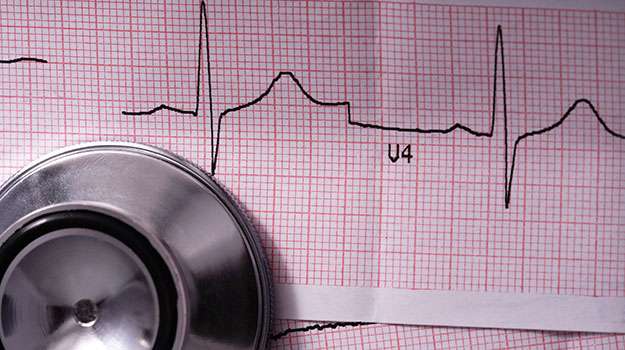
A cardiac MRI (Magnetic Resonance Imaging) provides comprehensive images of the heart without exposure to radiation. It's particularly useful for assessing structural abnormalities and evaluating tissue health around the myocardium and valves.
- Symptoms : Patients may experience persistent chest pain or shortness of breath that raises concerns regarding underlying cardiac conditions needing deeper investigation.
- Diagnosis : The procedure uses magnetic fields and radio waves rather than x-rays to capture detailed imagery that assists doctors in making accurate diagnoses regarding ischemic disease or cardiomyopathy.
- Treatment : Following diagnosis via MRI, treatment options will depend significantly upon specific findings — from medical therapy advancement to potential surgical considerations based on severity noted within images collected.
- Management : Since MRIs highlight not just perfusion but also scarring across tissues over time; ongoing management plans adapt as new information arises post scans ensuring optimal patient care continuity through regular follow-ups informed by evolving clinical data gathered herefrom.
- Expectation : While there’s no immediate discomfort associated with an MRI scan itself; patients might feel confined so deep breathing exercises beforehand often aid relaxation throughout longer durations spent inside this machinery making it easier overall when seeking clearer visualization along critical areas investigated therein.
Cardiac MRI stands as one of today's most powerful imaging modalities transforming how we approach complex cases involving comprehensive evaluations shaping customized treatment strategies yielding better outcomes ultimately!
STRESS TEST
A stress test evaluates how well your heart functions under physical exertion. This test is instrumental in diagnosing heart conditions by simulating increased workload on the heart through exercise or medication-induced stressors.
- Symptoms: Common indicators prompting this evaluation include chest pain during activity, excessive shortness of breath, or unusual fatigue when engaging in physical activities.
Stress tests are essential tools that offer valuable insights into both immediate risks and long-term cardiac health strategy.
HOLTER MONITOR
A Holter monitor is a portable device worn by patients to continuously monitor their heart's electrical activity over 24-48 hours. This test captures irregular heart rhythms that may not appear during a standard ECG exam.
- Symptoms: Patients often report irregular heartbeat sensations, dizziness, or syncope necessitating detailed monitoring of their condition.
- Diagnosis: The device records data that helps clinicians analyze arrhythmias correlating with patient-reported symptoms during daily activities.
- Treatment: Based on findings, treatments might include lifestyle adjustments, medication changes, or advanced interventions like ablation therapy if necessary.
- Management: Regular follow-up consultations help tailor long-term management strategies according to these assessments.
- Expectation: Wearing the Holter monitor is unobtrusive and typically allows individuals to maintain normal routines while gathering crucial data about their cardiac health.
This tool provides essential insights that guide treatment decisions effectively for reliable patient outcomes.
ECHOCARDIOGRAM
An echocardiogram is an ultrasound test that provides real-time images of the heart's structure and function. It enables healthcare providers to evaluate how well the heart is pumping and to detect any abnormalities in heart valves or chambers.
- Symptoms: Individuals may present with symptoms like palpitations, swelling in extremities, or unexplained fatigue that warrant investigation.
- Diagnosis: The test is painless and involves placing a transducer on the chest to obtain images while the patient lies down comfortably.
- Treatment: Depending on findings, treatments can range from medication for arrhythmias to surgical interventions for valve repair.
- Management: Continuous monitoring through follow-up echocardiograms ensures effective management over time.
- Expectation: Most patients find this procedure non-invasive and they typically receive results promptly after it's completed.
Echocardiograms play a vital role in ongoing cardiac care and risk assessment for various conditions.
CORONARY ANGIOGRAPHY
Coronary angiography is a diagnostic procedure used to visualize the blood vessels of the heart. This technique involves injecting a contrast dye into coronary arteries to assess any obstructions or blockages that may be impeding blood flow.
- Symptoms: Patients may experience chest pain, shortness of breath, or fatigue, which can indicate heart-related issues.
- Diagnosis: A series of imaging studies can reveal the condition of coronary arteries and help identify narrowing or blockages.
- Treatment: If significant blockages are found, treatment may include angioplasty and stenting or bypass surgery.
- Management: Lifestyle changes and medications may also be recommended to manage heart health effectively.
- Expectation: Post-procedure, patients should expect some discomfort but can usually resume normal activities within a few days.
This procedure is crucial for preventing heart attacks by identifying critical issues early on.