
Dr Pramod Bhor
About Me
Dr Pramod Bhor
Internal Medicine
Biography
My Clinic
OPD Hours
| Tuesday | Morning | 10:00 AM | - | 02:00 PM |
| Evening | 06:00 PM | - | 09:00 PM | |
| Wednesday | Morning | 10:00 AM | - | 02:00 PM |
| Evening | 06:00 PM | - | 09:00 PM | |
| Thursday | Morning | 10:00 AM | - | 02:00 PM |
| Evening | 06:00 PM | - | 09:00 PM | |
| Friday | Morning | 10:00 AM | - | 02:00 PM |
| Evening | 06:00 PM | - | 09:00 PM | |
| Saturday | Morning | 10:00 AM | - | 02:00 PM |
| Evening | 06:00 PM | - | 09:00 PM | |
| Sunday | Morning | 10:00 AM | - | 02:00 PM |
| Evening | 06:00 PM | - | 09:00 PM | |
| Thursday | Morning | 10:00 AM | - | 02:00 PM |
| Evening | 06:00 PM | - | 09:00 PM |
Treatments
Specialised care and treatments offered
GASTROESOPHAGEAL REFLUX DISEASE (GERD)
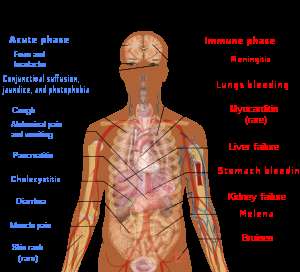
GERD is a digestive disorder characterized by persistent acid reflux causing discomfort such as heartburn. When stomach acid repeatedly flows back into esophagus affecting daily living conditions negatively over time
- Symptoms typically include burning sensations rising from stomach into throat causing considerable pain sometimes accompanied by regurgitation scenarios experienced frequently especially post-meals
- Diagnosing GERD entails conducting upper endoscopy evaluations aimed at visualizing esophageal lining assessing any associated inflammation beforehand initiating suitable therapeutic processes promptly
- Treatment generally comprises lifestyle modifications—reducing fatty food consumption elevating head during sleep while medications may alleviate recurrent symptom presentations significantly impacting overall comfort level positively < / l i > < l i style="text-align: right"> Additionally avoiding triggers enhances symptom relief ensuring improved daily performance steadily achieved throughout all stages coping mechanisms learned become vital tools fuelling success over time effectively! < / l i >
Without doubt adequately addressing GERD through early detection prevents severe repercussions concerning unrelated issues manifesting later hence emphasizing timely attention received crucially outweighing risks entailed fostering healthier lifestyles continuously pursued!
OBESITY MANAGEMENT
Obesity is defined as excess body fat accumulation posing significant health risks. It’s recognized as a complex condition influenced by genetic factors but mainly driven by lifestyle choices regarding diet and inactivity
- This condition increases susceptibility to numerous ailments such as type 2 diabetes, hypertension, heart disease, among others
- Diagnosing obesity typically utilizes Body Mass Index (BMI) calculations alongside assessments regarding dietary habits or physical activities undertaken regularly
- Comprehensive management strategies emphasize personalized nutrition plans emphasizing portion control while integrating physical activity—aimed at fostering healthier habits long term
- Counseling support provides psychological encouragement throughout difficult phases within weight loss journeys ensuring continuity thus promoting sustainability
- Ultimately effective weight maintenance relies considerably upon continuous engagement toward enhancing overall well-being via balanced diets combined with actionable fitness routines
Tailored approaches empower individuals significantly when navigating through weight management hurdles progressively improving quality-of-life experiences throughout their endeavors!
CHRONIC OBSTRUCTIVE PULMONARY DISEASE (COPD)
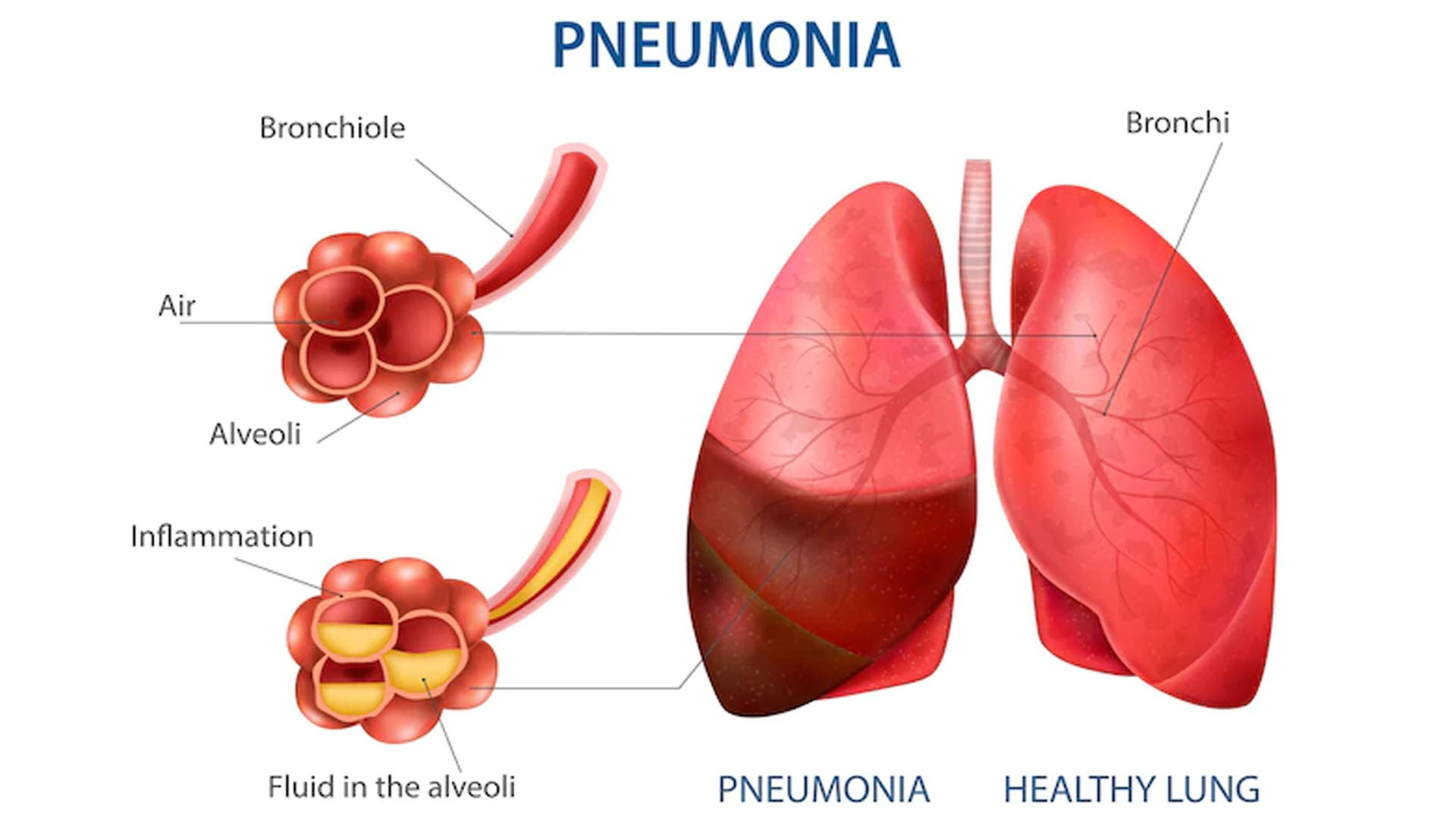
COPD encompasses progressive lung diseases including emphysema and chronic bronchitis that obstruct airflow from the lungs. It primarily occurs due to long-term exposure to irritants that damage the lungs and airways.
- Main symptoms often include persistent coughs producing mucus, wheezing breath sounds, chest tightness, and difficulty breathing during exertion.
- A thorough evaluation usually includes pulmonary function tests alongside imaging studies like X-rays or CT scans for accurate diagnosis.
- Managing COPD focuses heavily on quitting smoking as well as utilizing inhalers (bronchodilators) that ease breathing difficulties while pulmonary rehabilitation programs provide essential support for maintaining quality of life。
- Close monitoring is critical since COPD tends to worsen over time; consistent medical support can aid functional ability considerably.
- Overall commitment from individuals can vastly improve lung function stability while minimizing exacerbations.
Emphasis on preventive measures truly enhances patient outcomes when living with COPD.
HYPERLIPIDEMIA
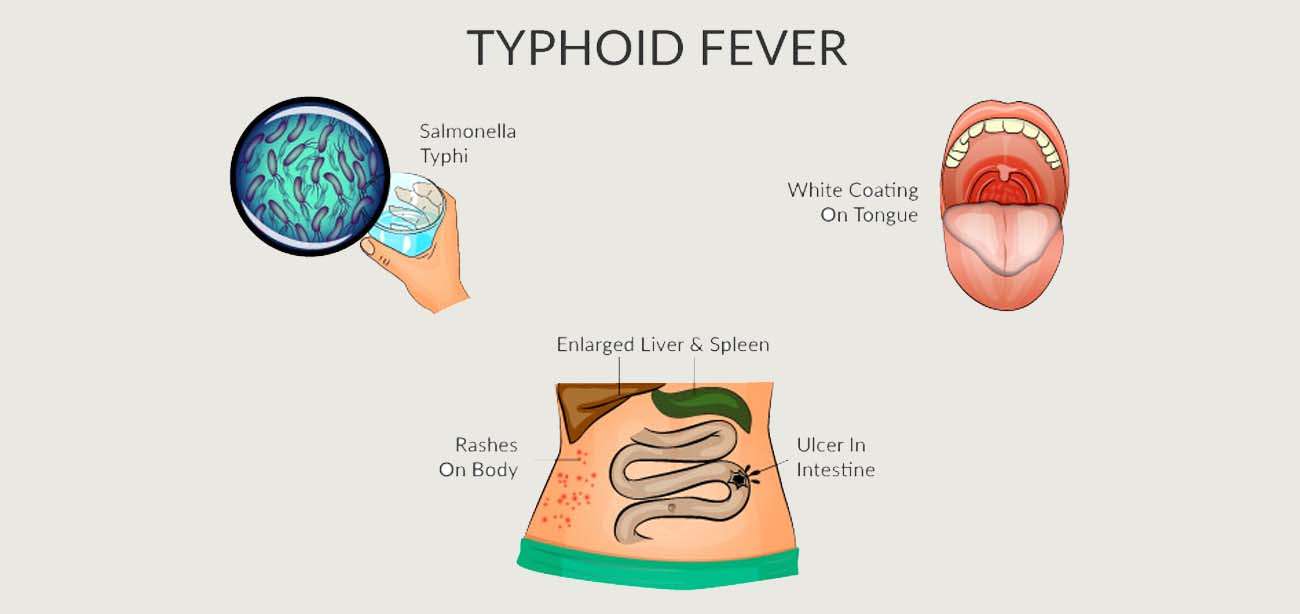
Hyperlipidemia refers to elevated levels of lipids in the blood, including cholesterol and triglycerides. This condition increases the risk of cardiovascular diseases if left unmanaged
- Common causes include a diet high in saturated fats, obesity, genetic factors, or lack of exercise.
- A lipid panel test is used for diagnosis; it measures different lipoproteins in your bloodstream after a period of fasting.
- Lifestyle alterations are the first line of defense—this may involve improving diet by reducing fat intake and incorporating more fruits and vegetables into meals along with regular exercise routines.
- If lifestyle changes do not suffice, healthcare providers may prescribe statins or other lipid-lowering medications to help manage cholesterol levels effectively.
- The goal is to maintain healthy lipid profiles to minimize cardiovascular risk over time.
Engaging actively in one’s treatment plan empowers individuals towards better heart health through informed choices and regular follow-ups with healthcare professionals.
DIABETES MANAGEMENT
Diabetes is a chronic condition where the body either does not produce enough insulin or cannot effectively use the insulin it produces. This leads to elevated blood sugar levels that require careful management.
- The two main types are Type 1 diabetes (often diagnosed in childhood) and Type 2 diabetes (more common in adults), with varying causes and treatment needs.
- Doctors typically diagnose diabetes through blood tests measuring glucose levels; fasting plasma glucose tests are common.
- Treatment often involves dietary changes, increased physical activity, and monitoring blood sugar levels regularly. Medications or insulin therapy may also be necessary depending on severity.
- Living with diabetes requires ongoing education about food choices and managing carbohydrate intake effectively.
- An individualized care plan is vital to prevent long-term complications such as neuropathy or kidney damage.
With proper management and support, patients can lead healthy lives while managing their diabetes effectively.
HYPERTENSION
Hypertension, commonly referred to as high blood pressure, is a prevalent condition affecting millions worldwide. It often manifests without noticeable symptoms, leading many to overlook its seriousness.
- The condition can be caused by various factors including genetics, poor diet, lack of physical activity, and stress.
- Diagnosing hypertension typically involves measuring blood pressure over several visits to ensure consistent readings.
- Management may include lifestyle modifications such as adopting a lower sodium diet, regular exercise, and weight control. In some cases, medications might be prescribed.
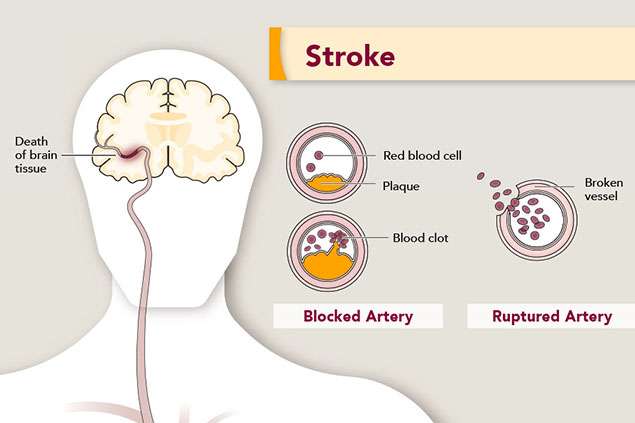
- Regular monitoring of blood pressure is crucial in managing the condition effectively and preventing complications like heart disease or stroke.
- Patients are encouraged to make gradual changes for sustainable health improvements.
By staying informed and proactive about health choices, individuals can significantly reduce their risk of complications related to hypertension.