
Dr Pramod Kataria
About Me
Dr Pramod Kataria
DO
Ophthalmologist
Biography
My Clinic
OPD Hours
| Monday | Morning | 10:00 AM | - | 02:00 PM |
| Evening | 06:00 PM | - | 09:00 PM | |
| Tuesday | Morning | 10:00 AM | - | 02:00 PM |
| Evening | 06:00 PM | - | 09:00 PM | |
| Wednesday | Morning | 10:00 AM | - | 02:00 PM |
| Evening | 06:00 PM | - | 09:00 PM | |
| Thursday | Morning | 10:00 AM | - | 02:00 PM |
| Evening | 06:00 PM | - | 09:00 PM | |
| Friday | Morning | 10:00 AM | - | 02:00 PM |
| Evening | 06:00 PM | - | 09:00 PM | |
| Saturday | Morning | 10:00 AM | - | 02:00 PM |
| Evening | 06:00 PM | - | 09:00 PM | |
| Sunday | Morning | 10:00 AM | - | 02:00 PM |
| Evening | 06:00 PM | - | 09:00 PM |
Treatments
Specialised care and treatments offered
DIABETIC RETINOPATHY
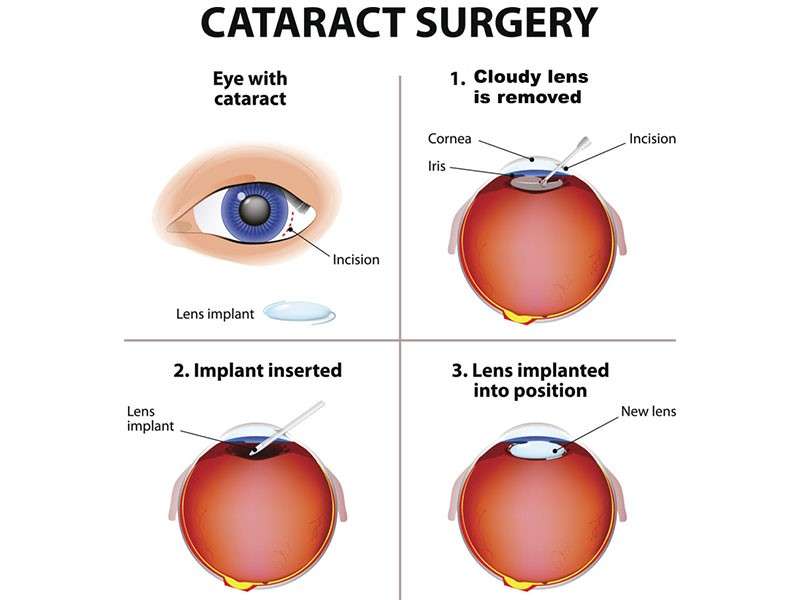
Diabetic retinopathy is a complication that affects individuals with diabetes where high blood sugar levels damage retinal blood vessels over time. This condition can lead to vision impairment if left untreated but catches early detection often enables effective management strategies
.- Symptoms might not present initially; later stages could manifest with blurred vision or dark spots in one’s sight.
- Diagnosis typically includes dilated fundus examination revealing abnormalities like microaneurysms bleeding vessels within the retina.
- Management focuses primarily on controlling blood sugar levels; treatments might involve laser therapy injections into the vitreous cavity for advanced cases responsive only via surgery against advancing disease further down line.
- Regular check-ups are essential for those Diabetic patients maintain optimal ocular health—monitoring changes frequently preserves critical support system functionality throughout their lives accordingly!
SUDDEN VISION LOSS
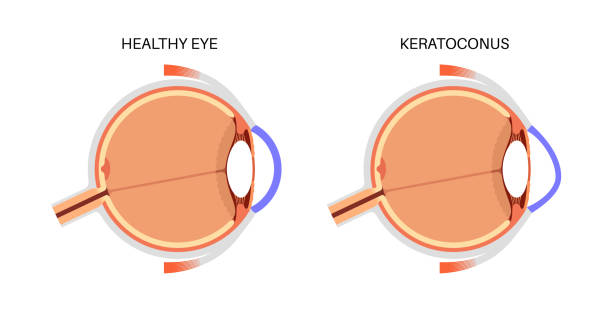
Suddent vision loss can be alarming and may occur due to several underlying conditions such as retinal detachment or vascular issues affecting blood supply. This situation warrants immediate attention as timely intervention could save your sight.
- Possible causes include retinal tears or detachments and occlusions in blood vessels supplying the retina.
- A detailed medical history alongside an urgent eye exam helps identify potential issues behind sudden loss of sight.
- Treatment varies depending on diagnosed conditions; possible options include surgical repair for detachments or managing underlying vascular problems with medications.
- Follow-up assessments are critical after initial treatment to ensure ongoing visual stability.
If you experience abrupt changes in your vision state urgently see a professional! Early evaluations are key in safeguarding your sight.
OCULAR ALLERGIES
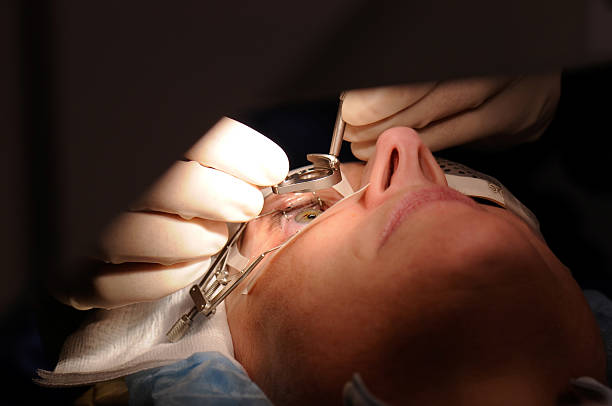
Ocular allergies occur when the eyes respond allergically to specific irritants like pollen or pet dander. It leads to discomfort but can usually be managed effectively with proper care and preventive measures.
- Common symptoms include itching, redness, tearing, and swelling around the eyes. Understanding triggers plays an essential role in management strategies.
- An ophthalmologist often conducts an allergy test alongside an eye exam to diagnose ocular allergies accurately.
- Treatment options range from antihistamines in pill form or topical drops that provide relief from symptoms; avoidance of known allergens is also recommended.
- Regular follow-ups may help adjust treatments based on seasonal patterns or exposure levels.
If you struggle with itchy eyes during certain times of the year or after exposure to pets, consult an expert for tailored support!
CORNEAL ABRASION
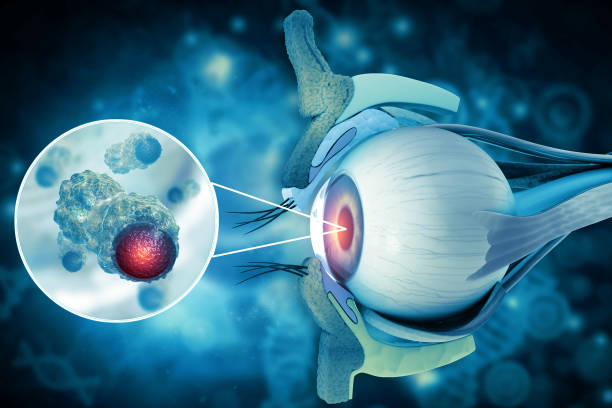
A corneal abrasion refers to a scratch on the surface of the cornea and can result from various activities such as accidental trauma or foreign objects. While it may heal on its own within days, prompt management can prevent infection and complications.
- Symptoms often include sharp pain in the affected eye, redness, tearing, sensitivity to light, and blurred vision.
- Diagnosis primarily involves a detailed slit-lamp examination which allows an ophthalmologist to visualize the extent of the injury clearly.
- Treatment may involve topical antibiotics to prevent infection and lubricating drops for comfort; pain management is also addressed with appropriate medications.
- Patiens typically notice improvement rapidly but should follow up if symptoms persist or worsen.
Timely intervention for corneal abrasions helps ensure optimal recovery and protects your visual function.
ACUTE GLAUCOMA
Acute glaucoma is an eye condition characterized by a rapid increase in intraocular pressure, leading to potential optic nerve damage. This condition often presents abruptly and requires urgent care to avoid vision loss.
- Symptoms may include severe eye pain, headache, nausea, vomiting, and blurred vision.
- A thorough ocular examination is important for diagnosis; tonometry measures eye pressure while visual field tests assess any peripheral vision loss.
- Treatment often involves medications to reduce eye pressure quickly followed by surgical procedures such as laser therapy or traditional trabeculectomy as necessary.
- Patients should be aware of the importance of regular check-ups to monitor eye health after initial treatment.
If you suspect acute glaucoma, immediate evaluation is vital to protect your eyesight.
RETINAL DETACHMENT
Retinal detachment is a serious condition that occurs when the retina separates from the back of the eye. This can lead to permanent vision loss if not treated promptly. Symptoms can develop suddenly, and early detection is crucial for preserving sight.
- Common symptoms include sudden flashes of light, floaters, or a shadow in your field of vision.
- Diagnosis is typically made through a comprehensive eye examination including dilated fundus examination.
- Treatment options vary but may include laser surgery, cryopexy (freezing treatment), or vitrectomy.
- Post-treatment, patients can expect follow-up visits to monitor healing and vision changes.
If you experience sudden vision changes, seek immediate medical attention to prevent complications.