
Dr Pranjali Andhare
About Me
Dr Pranjali Andhare
Obstetrician
Biography
My Clinic
OPD Hours
| Tuesday | Morning | 10:00 AM | - | 02:00 PM |
| Evening | 06:00 PM | - | 09:00 PM | |
| Wednesday | Morning | 10:00 AM | - | 02:00 PM |
| Evening | 06:00 PM | - | 09:00 PM | |
| Thursday | Morning | 10:00 AM | - | 02:00 PM |
| Evening | 06:00 PM | - | 09:00 PM | |
| Friday | Morning | 10:00 AM | - | 02:00 PM |
| Evening | 06:00 PM | - | 09:00 PM | |
| Saturday | Morning | 10:00 AM | - | 02:00 PM |
| Evening | 06:00 PM | - | 09:00 PM | |
| Sunday | Morning | 10:00 AM | - | 02:00 PM |
| Evening | 06:00 PM | - | 09:00 PM | |
| Thursday | Morning | 10:00 AM | - | 02:00 PM |
| Evening | 06:00 PM | - | 09:00 PM |
Treatments
Specialised care and treatments offered
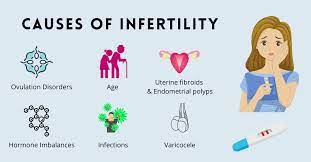
FERTILITY ASSESSMENTS

Evolving into parenthood sometimes requires understanding fertility challenges. Assessments take into account various factors impacting conception such as age or an underlying medical history necessitating investigation by obstetricians in reproductive health processes
- Symptoms/Causes: Couples trying unsuccessfully over a year often seek evaluations prompting investigations into hormonal balance or ovulation issues stressing early intervention benefits.
- Diagnosis: Tests might range from hormonal profiles identified via blood draws along with imaging studies assessing reproductive organs functionality.
- Treatment Options: Assistance could include lifestyle modifications therapies prescribed medications or assisted reproductive techniques if required integrating multidisciplinary approaches towards achieving successful outcomes.
Early evaluation leads toward appropriate solutions ultimately providing couples clarity surrounding their reproductive goals empowering them throughout their journey ahead!
HIGH-RISK PREGNANCY MANAGEMENT
Certain pregnancies are classified as high-risk due to pre-existing conditions or complications that arise. Managing these pregnancies necessitates specialized care strategies aimed at ensuring wellness for both mother and child.
- Symptoms/Causes: Underlying conditions such as hypertension or diabetes may increase risk factors associated with pregnancy complications.
- Diagnosis: Regular monitoring through ultrasound assessments and lab work facilitates early detection of potential problems.
- Treatment/Management: Individualized plans may involve more frequent visits alongside consultations with specialists in obstetrics.
- What to Expect: Expect thorough evaluations focused on minimizing risks while planning for delivery.
Expert guidance allows mothers experiencing high-risk pregnancies to navigate this critical time with confidence.
POSTPARTUM CARE
The period following childbirth requires specific medical attention to ensure recovery for new mothers. This includes physical health checks as well as mental well-being assessments.
- Symptoms/Causes: After delivery, mothers may face issues like pain or infection which should be evaluated by healthcare professionals during postpartum visits.
- Diagnosis: Healthcare providers assess physical recovery while also screening for postpartum depression through discussions about mood changes or anxiety levels following birth.
- Treatment/Management Options: Supportive therapy and resources are available for emotional health; physical rehabilitation may also be advised if needed post-delivery.
Caring for new mothers holistically promotes healing physically and mentally after childbirth.
GESTATIONAL DIABETES CARE
This form of diabetes develops in some women during pregnancy and can affect both maternal health and fetal growth. Awareness and management are key components of treatment.
- Symptoms/Causes: Common indicators include unusual thirst, frequent urination, and fatigue; however, it's often asymptomatic initially.
- Diagnosis: Blood tests performed at specified weeks during gestation help determine glucose levels effectively.
- Treatment/Management Options: A tailored diet plan along with regular physical activity can control blood sugar levels; sometimes insulin is required.
- What to Expect: Close monitoring will be necessary until delivery to ensure both mom and baby remain healthy throughout the duration of the pregnancy.
A proactive approach helps maintain normal glucose levels during gestation.
ECTOPIC PREGNANCY MANAGEMENT
An ectopic pregnancy occurs when the fertilized egg implants outside the uterus, often in a fallopian tube. Prompt diagnosis is crucial to prevent complications.
- Symptoms: Early signs include abdominal pain, vaginal bleeding, and dizziness.
- Diagnosis: Healthcare providers utilize pelvic examinations and ultrasound imaging to confirm an ectopic pregnancy.
- Treatment Options: Depending on severity, treatment could involve medication or surgical intervention to remove the ectopic tissue.
- What to Expect: Follow-up care is important to monitor recovery and ensure no residual complications arise from the condition.
A timely approach ensures better outcomes in cases of ectopic pregnancies.
ANTENATAL CARE
Antenatal care is essential in monitoring the health of both the mother and the developing fetus throughout pregnancy. Regular check-ups can help address any potential issues early, ensuring a healthier outcome for both parties.
- Symptoms/Causes: Many women may experience nausea, fatigue, and other pregnancy-related symptoms which can be monitored during visits.
- Diagnosis: Routine blood tests, ultrasounds, and screenings for gestational diabetes are part of the assessment process.
- Treatment/Management: Guidance on nutrition, exercise, and prenatal vitamins is provided to support maternal health and fetal development.
- What to Expect: Expect regular appointments, various tests, and discussions about childbirth plans as you progress through your pregnancy.
Consistent antenatal care provides reassurance and a good foundation for a safe delivery experience.