
Dr Prashant Sawant
About Me
Dr Prashant Sawant
Dermatologist
Biography
My Clinic
OPD Hours
| Tuesday | Morning | 10:00 AM | - | 02:00 PM |
| Evening | 06:00 PM | - | 09:00 PM | |
| Wednesday | Morning | 10:00 AM | - | 02:00 PM |
| Evening | 06:00 PM | - | 09:00 PM | |
| Thursday | Morning | 10:00 AM | - | 02:00 PM |
| Evening | 06:00 PM | - | 09:00 PM | |
| Friday | Morning | 10:00 AM | - | 02:00 PM |
| Evening | 06:00 PM | - | 09:00 PM | |
| Saturday | Morning | 10:00 AM | - | 02:00 PM |
| Evening | 06:00 PM | - | 09:00 PM | |
| Sunday | Morning | 10:00 AM | - | 02:00 PM |
| Evening | 06:00 PM | - | 09:00 PM | |
| Thursday | Morning | 10:00 AM | - | 02:00 PM |
| Evening | 06:00 PM | - | 09:00 PM |
Treatments
Specialised care and treatments offered
SKIN CANCER SCREENING
Regular Skin cancer screenings play a vital role in early detection of harmful lesions before they progress into more serious conditions like melanoma.
- The primary signs targeted during screening include irregular moles exhibiting asymmetry or uneven borders alongside color variations amidst them;
- Assessments generally take place through detailed examinations combined with patient history reviews encouraging proactive dialogues around familial patterns potentially influencing risk levels within individual backgrounds.;
- If abnormalities arise indicating potential cancerous changes despite initial physical assessments biopsies may follow offering definitive diagnoses.;
- Ensuring timely intervention refers offers expansive treatment avenues ranging from lesion removals followed sometimes requiring further therapeutic approaches post-diagnosis.
- Expectations vary considerably but maintaining vigilance today contributes vastly towards preserving both your current health status whilst feeling secure about future conditions arising therein!;
WART REMOVAL
Warts are benign growths caused by human papillomavirus (HPV), which infects the top layer of skin. While harmless, they can be bothersome depending on their location and appearance.
- The common symptoms involve raised bumps that may feel rough; in some instances, warts might cause discomfort when they occur on weight-bearing areas like feet (plantar warts).
- A dermatologist can usually diagnose warts through visual inspection; occasionally a biopsy may be needed if there’s uncertainty regarding diagnosis.
- Treatment methods include cryotherapy (freezing), laser therapy or topical medications designed specifically for wart removal effectiveness over multiple sessions might be necessary depending on wart persistence level;.
- Surgical excision could also be considered if other treatments fail or if warts are extensive or problematic.;. Patients should expect complete healing within weeks following successful treatment interventions.;,.
An informed discussion about your wart concerns stands essential before pursuing any removal technique toward achieving satisfying results!.
MELASMA TREATMENT
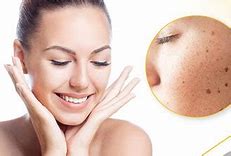
Melasma is characterized by brown or gray-brown patches on sun-exposed areas of the face. This hyperpigmentation often occurs due to hormonal changes or excessive sun exposure。
- The primary symptom includes discolored patches that are most commonly found on the cheeks and forehead.
- Diagnosis typically involves an examination of your medical history and visual assessment of affected areas; sometimes additional testing is required for clarity.
- Management options include topical lightening agents such as hydroquinone as well as laser treatments targeting pigmented lesions without harming surrounding tissue.
- Sun protection is vital for preventing further pigmentation; wearing sunscreen daily helps shield against UV rays that trigger melasma's progression.
- Results improve gradually over time with compliance; it’s important to maintain your treatment regimen for optimal outcomes.
Consultative guidance ensures informed decision-making regarding appropriate therapies tailored specifically for your needs.
ECZEMA TREATMENT
Eczema, or atopic dermatitis, is a chronic inflammatory skin condition leading to dry, itchy patches. This condition can affect anyone but is especially common among children.
- Symptoms manifest as red, inflamed areas that may crack and ooze when scratched excessively.
- The diagnosis usually involves clinical evaluation; family history may also be considered in assessing genetic predispositions.
- Treatment typically includes moisturizing ointments alongside topical corticosteroids to alleviate inflammation during flare-ups.
- For moderate cases, phototherapy can provide significant relief by reducing symptoms without systemic medications.
- A consistent skincare routine plays a critical role in managing dryness and preventing irritants from exacerbating eczema symptoms.
Your dermatologist will help customize a care plan focused on reducing flare-up frequency while improving overall skin health.
PSORIASIS MANAGEMENT
Psoriasis is an autoimmune condition characterized by red patches covered with thick, silvery scales. The condition can significantly impact quality of life due to its visible nature and associated discomfort.
- Common symptoms include itchy or burning sensations along with scaling that can appear anywhere on the body.
- A dermatologist typically diagnoses psoriasis through visual assessment of the skin's appearance and may request a biopsy in uncertain cases.
- Treatment options involve topical treatments, phototherapy, or systemic medications tailored to the severity of the disease.
- Emollients are often recommended to soothe dry areas while minimizing irritation during flare-ups.
- It’s crucial to adhere to ongoing management strategies to control symptoms effectively over time.
A tailored approach ensures better management of this chronic condition, helping you maintain healthier skin long-term.
ACNE TREATMENT
Acne is a common skin condition that affects individuals of all ages, primarily adolescents and young adults. The condition manifests as pimples, blackheads, and cysts due to the clogging of hair follicles with oil and dead skin cells.
- Symptoms include redness, swelling, and the formation of lesions on the face, back, and shoulders.
- Diagnosis is often based on physical examination; in some cases, additional tests may be recommended to rule out other skin issues.
- Treatment options range from topical creams containing retinoids or benzoyl peroxide to oral medications like antibiotics or hormonal therapies.
- In more severe cases, procedures such as chemical peels or laser therapy may be employed to reduce scarring and improve skin texture.
- Patients can expect gradual improvement with consistent treatment; however, results may vary based on individual skin types.
Consultation with a dermatologist is essential for personalized treatment plans aimed at managing acne effectively.