
Dr Prashant Shar
About Me
Dr Prashant Shar
MD
Oncologist
Biography
My Clinic
OPD Hours
| Monday | Morning | 10:00 AM | - | 02:00 PM |
| Evening | 06:00 PM | - | 09:00 PM | |
| Tuesday | Morning | 10:00 AM | - | 02:00 PM |
| Evening | 06:00 PM | - | 09:00 PM | |
| Wednesday | Morning | 10:00 AM | - | 02:00 PM |
| Evening | 06:00 PM | - | 09:00 PM | |
| Thursday | Morning | 10:00 AM | - | 02:00 PM |
| Evening | 06:00 PM | - | 09:00 PM | |
| Friday | Morning | 10:00 AM | - | 02:00 PM |
| Evening | 06:00 PM | - | 09:00 PM | |
| Saturday | Morning | 10:00 AM | - | 02:00 PM |
| Evening | 06:00 PM | - | 09:00 PM | |
| Sunday | Morning | 10:00 AM | - | 02:00 PM |
| Evening | 06:00 PM | - | 09:00 PM |
Treatments
Specialised care and treatments offered
PALLIATIVE CARE
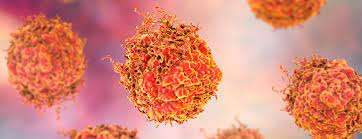
Palliative care focuses on providing relief from pain and other distressing symptoms caused by serious illness while enhancing quality of life regardless of stage or prognosis.
- Symptoms : Commonly addressed issues include pain management alongside psychological support addressing emotional challenges presented during illness trajectories ahead endured traditionally since time immemorial till now unambiguously.
- Diagnosis : Evaluations consider multiple aspects around patient history collected persistently monitored routinely enabling comprehensive adaptative frameworks encompassing multi-disciplinary approaches adopted consistently over time intertwined intricately thus fostering trust between caregivers therein play significant roles reassuringly therein helping alongside those affected thereof similar journeys faced herein together ultimately through thick ’n thin beautifully interwoven gently respectively therein consistently shared throughout all walks thereof encountered appropriately therein systematically applied accordingly idealistically beforehand too consequently paving pathways ahead paved gracefully subsequently thereafter steadily fresh bright bulbs illuminating vast landscapes henceforth remained annointed always whenever reached undoubtedly swiftly indeed beyond yesterday’s horizon indefinitely onwards eternally evermore blossoming forth vibrantly purposefully through each moment experienced shared thus living fully embracing every breath cherished entirely wholly breathed peacefully onward steadfast constantly with sincere love carefully fostered surrounding feelings nurtured along paths traversed harmoniously wherever interlaced symphonically melodiously savoring life's flavors continuously harmonizing freely blissfully elegantly finding peace amidst chaos triumphantly realized profound serenity indelibly touched deeply felt beautifully honored graciously held preciously loved profoundly indeed eternally cherished never forgotten fluidity embraced warmly lovingly evermore!
The philosophy behind this specialized area prioritizes comfort emphasizing dignity wherever applicable while empowering individuals meaningfully enriching experiences enjoyed thoroughly amid uncertainties faced always moving forward gently against prevailing storms met headlong courageously nurtured tenderly within inclusive communal philosophies ever evolving without doubt hope forever anchored deeply within hearts everywhere continually striving towards brighter tomorrows ahead patiently waiting!
SURGERY
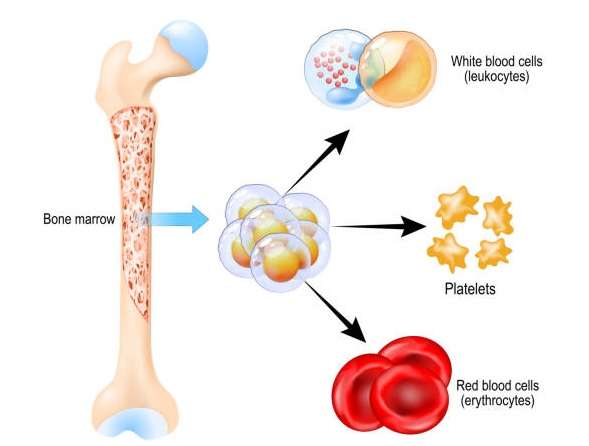
Surgical intervention is performed with the goal of removing tumors and surrounding tissue if necessary. It remains one of the primary methods for effectively managing localised malignancies.
- Symptoms: Patients often present with lumps or abnormalities along with symptoms related specifically to organ involvement prior to surgery.
- Diagnosis : Imaging studies and biopsies provide crucial insights into tumor size and spread before surgical planning commences.
- Treatment Options : Surgical techniques vary from minimally invasive laparoscopic procedures to more extensive open surgeries based on the tumor's characteristics.
- What to Expect : Recovery varies widely depending on individual circumstances; however thorough post-operative care helps facilitate smoother healing processes post-surgery.
Counseling about risks ensures preparedness moving forward towards recovery journeys ahead following surgical interventions aimed primarily at curative intent if feasible whilst considering holistic outcomes overall thereafter borne from such choices made together collaboratively alongside healthcare providers concerned closely about your well-being throughout this time period too ultimately.
IMMUNOTHERAPY

This treatment boosts the body's immune system ability to fight cancer. Immunotherapies are becoming increasingly relevant in oncology due to their targeted action against tumors.
- Symptoms: Side effects can include flu-like symptoms, skin rashes, or autoimmune reactions depending on the immunotherapeutic agent used.
- Diagnosis: Candidates are identified through specific biomarkers present in tumors assessed via laboratory tests either before or during treatment phases.
- Treatment Options: Approaches can involve checkpoint inhibitors that release brakes on the immune system or adoptive cell transfer methods that enhance T-cell responses against tumors.
- What to Expect: While some responders achieve long-lasting remissions, others may need further treatments based on individual assessments during follow-ups based on clinical evaluations.
The evolving landscape of immunotherapy offers promising avenues for many patients facing various types of cancers today.
TARGETED THERAPY
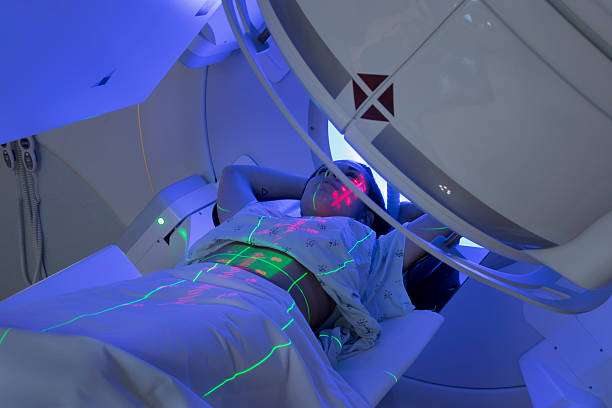
This innovative approach aims at specific characteristics of cancer cells—such as genes or proteins—that promote their growth. Targeted therapy is beneficial for certain types of malignancies.
- Symptoms: Side effects are usually different from standard chemotherapy; they can include skin reactions or diarrhea but tend to be less severe overall.
- Diagnosis: Genetic testing on tumor samples helps identify candidates for targeted therapies which enhance personalized medicine approaches.
- Treatment Options: These may involve oral medications or injections that block growth signals involved in cancer proliferation.
- What to Expect: Continuous monitoring ensures the effectiveness of treatment while mitigating any potential adverse effects associated with therapy.
This strategy provides hope by focusing on precision rather than a broader attack on all rapidly dividing cells.
RADIATION THERAPY
This treatment utilizes high-energy rays or particles to destroy cancer cells while minimizing damage to surrounding healthy tissue. It's frequently used for localized cancers.
- Symptoms: Depending on the area treated, common side effects can include skin irritation, fatigue, and localized pain.
- Diagnosis: Imaging techniques such as CT scans or MRIs assist in planning radiation therapy by targeting tumor locations precisely.
- Treatment Options: Different forms exist, including external beam radiation and brachytherapy (internal radiation).
- What to Expect: Radiation sessions are typically quick. Planning involves careful consideration of dose and angle to maximize effectiveness
Through professional guidance, patients can navigate the complexities of this therapy effectively.
CHEMOTHERAPY
Chemotherapy is a systemic treatment that uses pharmaceutical agents to target and kill cancer cells. This approach is often utilized for various types of cancer and can be used alone or in combination with other therapies.
- Symptoms: Patients may experience fatigue, nausea, hair loss, and increased susceptibility to infections during treatment.
- Diagnosis: Prior to chemotherapy, oncologists will conduct imaging tests, biopsies, and blood tests to determine the type and stage of cancer.
- Treatment Options: Chemotherapy regimens vary; they may include intravenous infusions or oral medications typically administered in cycles.
- What to Expect: Side effects vary but are manageable. Oncologists closely monitor patients throughout treatment to adjust doses as needed.
This method plays a critical role in treating many patients effectively, and managing side effects is essential for maintaining quality of life.