
Dr Prateek Pareek
About Me
Dr Prateek Pareek
MD
Nephrologist
10 Years Experience
Biography
My Clinic
OPD Hours
| Monday | Morning | 10:00 AM | - | 02:00 PM |
| Evening | 06:00 PM | - | 09:00 PM | |
| Tuesday | Morning | 10:00 AM | - | 02:00 PM |
| Evening | 06:00 PM | - | 09:00 PM | |
| Wednesday | Morning | 10:00 AM | - | 02:00 PM |
| Evening | 06:00 PM | - | 09:00 PM | |
| Thursday | Morning | 10:00 AM | - | 02:00 PM |
| Evening | 06:00 PM | - | 09:00 PM | |
| Friday | Morning | 10:00 AM | - | 02:00 PM |
| Evening | 06:00 PM | - | 09:00 PM | |
| Saturday | Morning | 10:00 AM | - | 02:00 PM |
| Evening | 06:00 PM | - | 09:00 PM | |
| Sunday | Morning | 10:00 AM | - | 02:00 PM |
| Evening | 06:00 PM | - | 09:00 PM |
Treatments
Specialised care and treatments offered
HYPERTENSIVE NEPHROPATHY
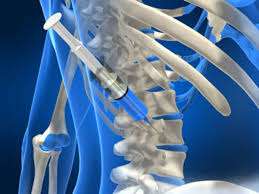
Kidney damage resulting directly from chronic high blood pressure is known as Hypertensive Nephropathy. Managing both kidney health and hypertension together is essential to slow progression towards failure.
- Underlying mechanisms & signs: Persistently elevated arterial pressure injures small vessels within kidneys causing proteinuria , scarring , reduced filtration rate ; symptoms might be subtle initially .
- Diagnostic tools utilized: Urine albumin testing , serial measurement of renal function markers along with controlled BP assessments confirm diagnosis .
- Therapeutic approaches recommended: Strict BP control using antihypertensive drugs especially ACE inhibitors/ARBs , lifestyle modifications including salt restriction , weight management .
- Prognostic implications: Early detection coupled with consistent treatment can preserve remaining kidney function ; unchecked hypertension accelerates progression toward end-stage renal disease .
Continuous collaboration between patient and specialist nephrologist is vital for successful management of hypertensive-related renal injury .
GLOMERULONEPHRITIS

An inflammation affecting the tiny filtering units of kidneys known as glomeruli characterizes Glomerulonephritis. This condition can develop abruptly or gradually impairing kidney functions significantly over time if untreated.
- Causative factors & symptoms: Causes range from infections and autoimmune diseases to unknown origins. Patients might notice blood in urine (hematuria), swelling, high blood pressure or decreased urine output.
- Evidential support from testing: Detection relies on urinalysis showing proteins/blood cells presence alongside blood tests evaluating kidney parameters; occasionally confirmed by biopsy examination of tissue samples.
- Treatment plans available: Depending on cause corticosteroids/immunosuppressants control inflammation while supportive care manages complications like hypertension or fluid retention.
- Outcome possibilities: Some recover fully whereas others progress toward chronic disease necessitating long-term management strategies including dialysis options when advanced .
Prompt recognition combined with tailored therapies forms cornerstone preventing irreversible renal damage .
HEMODIALYSIS

This critical procedure supports patients with severely impaired kidney function by artificially removing waste products from the blood. Hemodialysis is a lifeline for acute or chronic renal failure cases needing urgent toxin clearance.
- Syndrome necessitating it: Used when kidneys fail to adequately filter blood leading to accumulation of toxins causing severe symptoms like fluid overload or electrolyte imbalance.
- The process details: Blood is diverted through a machine equipped with a dialyzer that cleanses it before returning it into circulation; sessions usually last 3–5 hours multiple times weekly depending on condition severity.
- Caring during treatment: Maintaining vascular access site hygiene and monitoring vital signs are important; fluid restrictions are advised between treatments.
- Treatment results & outlook: While not curative, hemodialysis prolongs life allowing improved quality of life until potential transplantation or recovery occurs for some patients.
This therapy demands coordination among healthcare providers experienced in nephrology for safe administration and optimal benefit delivery.
HYPERKALEMIA

An elevated potassium level in the bloodstream called hyperkalemia can quickly become life-threatening if not addressed promptly. Awareness of this condition helps avert serious complications.
- Causes/symptoms: It may arise from kidney failure, certain medications or tissue breakdown. Symptoms include muscle weakness, abnormal heart rhythms or sometimes no symptoms initially.
- Identification methods: Blood tests revealing high serum potassium are diagnostic; ECG monitoring detects associated cardiac changes.
- Treatment modalities: Immediate interventions may involve medications that shift potassium into cells or remove it from the body; addressing underlying causes is critical.
- Prognosis expectations: With rapid treatment hyperkalemia is reversible but delayed care risks dangerous heart arrhythmias requiring emergency response.
If suspected hyperkalemia requires urgent assessment by specialists trained in kidney disorders for best outcomes.
NEPHROTIC SYNDROME

The condition called Nephrotic Syndrome involves excessive protein loss in the urine leading to swelling and other systemic effects. Recognizing this condition early aids effective management.
- Symptoms/causes: Key signs include swelling around eyes and ankles, foamy urine due to proteinuria, fatigue; it results from damage to kidney filtering units (glomeruli).
- Diagnostic approach: Urinalysis showing elevated protein levels, blood tests indicating low albumin, cholesterol assessment, and sometimes kidney biopsy are used for diagnosis.
- Treatment strategies: Focus lies in controlling underlying disease with steroids or immunosuppressants, reducing edema with diuretics, and managing blood pressure.
- Your outlook: Most patients respond well to treatment but require regular follow-up to monitor kidney function and prevent complications like infections or blood clots.
A comprehensive approach tailored by a nephrology specialist is essential for optimal care in Nephrotic Syndrome.
ACUTE KIDNEY INJURY (AKI)

Sudden decline in kidney function, known as Acute Kidney Injury (AKI), can be a medical emergency demanding swift attention. Understanding AKI is crucial for timely intervention.
- Symptoms and causes: Symptoms often include reduced urine output, swelling, fatigue, and confusion. Causes vary from dehydration, infections, or medications to blockage of urinary tract.
- Diagnosis: Blood tests checking creatinine and urea levels, urine analysis, and imaging studies help confirm AKI and identify underlying factors.
- Treatment options: Management focuses on treating the root cause, maintaining fluid balance, avoiding nephrotoxic agents, and sometimes dialysis if required.
- What to expect: Recovery depends on cause and severity; some patients regain full kidney function while others may develop chronic issues requiring ongoing care.
Being vigilant about symptoms and seeking prompt treatment improves outcomes significantly in AKI cases.