
Dr Pratibha Vyas
About Me
Dr Pratibha Vyas
MD
Diabetologist
10 Years Experience
Biography
My Clinic
OPD Hours
| Monday | Morning | 10:00 AM | - | 02:00 PM |
| Evening | 06:00 PM | - | 09:00 PM | |
| Tuesday | Morning | 10:00 AM | - | 02:00 PM |
| Evening | 06:00 PM | - | 09:00 PM | |
| Wednesday | Morning | 10:00 AM | - | 02:00 PM |
| Evening | 06:00 PM | - | 09:00 PM | |
| Thursday | Morning | 10:00 AM | - | 02:00 PM |
| Evening | 06:00 PM | - | 09:00 PM | |
| Friday | Morning | 10:00 AM | - | 02:00 PM |
| Evening | 06:00 PM | - | 09:00 PM | |
| Saturday | Morning | 10:00 AM | - | 02:00 PM |
| Evening | 06:00 PM | - | 09:00 PM | |
| Sunday | Morning | 10:00 AM | - | 02:00 PM |
| Evening | 06:00 PM | - | 09:00 PM |
Treatments
Specialised care and treatments offered
HYPOGLYCEMIA MANAGEMENT

Hypoglycemia indicates dangerously low glycogen levels in the bloodstream. Individuals with diabetes may experience hypoglycemic episodes due to excess insulin intake or insufficient food consumption.
- The most immediate symptoms include weakness, dizziness sweating shaking confusion;
- A healthcare provider usually diagnoses hypoglycemia through reported symptoms alongside continuous glucose monitoring data.
- Treatment consists primarily of immediately consuming fast-acting carbohydrates such as juice candy ensuring swift recovery from episodes.'
If managed properly via awareness strategies carefully applied medication regimens greatest outcomes yielded significantly reducing risky situations improve patient life quality overall that seek medical attention guiding them toward achieving desired results safely efficiently needed encouraging them grasp complete knowledge towards tackling every aspect enabling fullest mastery!">'...
DIABETES MANAGEMENT EDUCATION
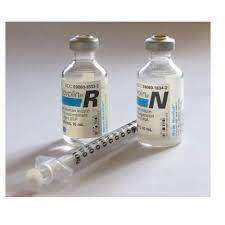
Education plays a pivotal role in effective diabetes management. Understanding this chronic disease empowers patients to take charge of their health proactively.
- This program covers topics like carbohydrate counting, the importance of medication adherence, meal planning, physical activity guidelines, etc., which are essential for maintaining stable glucose levels.''}.'
'-' ' ‘’’-' ’--' ' Curation Example Title`]
DIABETIC NEUROPATHY
Diabetic neuropathy refers to nerve damage caused by prolonged high blood sugar levels associated with diabetes. This complication can impact various body parts but most commonly affects legs and feet.
- Main symptoms are numbness or tingling sensations in hands or feet, sharp pains, or muscle weakness depending on the nerves involved.
- A comprehensive clinical evaluation typically includes reporting symptoms alongside neurological examinations.
- Treatment focuses on managing underlying diabetes with proper blood sugar control while relieving pain through medications like pregabalin or duloxetine.
- Regular foot care is recommended to prevent complications arising from loss of sensation...... . .. . ... Managing diabetic neuropathy facilitates improved quality of life despite conditions related to diabetes.
GESTATIONAL DIABETES
Gestational diabetes occurs during pregnancy when the body cannot produce enough insulin. It typically develops around the second trimester and can affect both mother and baby if not managed properly.
- This condition often presents no symptoms; hence screening during pregnancy is vital for early detection.
- A healthcare professional diagnoses gestational diabetes through an oral glucose tolerance test (OGTT).
- Treatment includes dietary changes, regular exercise, and sometimes insulin therapy for better blood sugar management throughout pregnancy.
- Attending routine check-ups will help ensure both mother and child remain healthy throughout the gestation period.
Proper management of gestational diabetes reduces risks during delivery and supports long-term health for both mommy and baby post-delivery.
TYPE 2 DIABETES
Type 2 diabetes is a metabolic disorder marked by insulin resistance, leading to high blood sugar levels. It primarily affects adults but is increasingly observed in younger individuals due to lifestyle factors.
- The common symptoms of this condition include increased hunger, weight loss, fatigue, and slow healing sores.
- A diagnosis is confirmed through blood tests measuring glucose levels after fasting or randomly throughout the day.
- Treatment often begins with lifestyle changes such as diet modification and exercise; oral medications like metformin may also be prescribed.
- Ongoing monitoring of blood sugar levels is essential to assess the effectiveness of the treatment plan.
With appropriate management and lifestyle adjustments, individuals can lead a fulfilling life while controlling their diabetes effectively.
TYPE 1 DIABETES
Type 1 diabetes is a chronic condition characterized by the pancreas's inability to produce sufficient insulin. This autoimmune disorder primarily affects children and young adults, but it can occur at any age.
- Symptoms include excessive thirst, frequent urination, extreme fatigue, and blurred vision.
- Diagnosis typically involves blood tests that measure blood glucose levels, including fasting plasma glucose and HbA1c testing.
- Treatment options focus on insulin therapy, dietary management, and regular physical activity to maintain blood sugar levels.
- Patients can expect to monitor their blood glucose regularly and adjust their treatment plan with healthcare providers.
Managing Type 1 diabetes effectively is crucial for maintaining a healthy lifestyle and preventing complications over time.