
Dr Pratik T
About Me
Dr Pratik T
Dermatologist
Biography
My Clinic
OPD Hours
| Tuesday | Morning | 10:00 AM | - | 02:00 PM |
| Evening | 06:00 PM | - | 09:00 PM | |
| Wednesday | Morning | 10:00 AM | - | 02:00 PM |
| Evening | 06:00 PM | - | 09:00 PM | |
| Thursday | Morning | 10:00 AM | - | 02:00 PM |
| Evening | 06:00 PM | - | 09:00 PM | |
| Friday | Morning | 10:00 AM | - | 02:00 PM |
| Evening | 06:00 PM | - | 09:00 PM | |
| Saturday | Morning | 10:00 AM | - | 02:00 PM |
| Evening | 06:00 PM | - | 09:00 PM | |
| Sunday | Morning | 10:00 AM | - | 02:00 PM |
| Evening | 06:00 PM | - | 09:00 PM | |
| Thursday | Morning | 10:00 AM | - | 02:00 PM |
| Evening | 06:00 PM | - | 09:00 PM |
Treatments
Specialised care and treatments offered
ROSACEA
Rosacea is a chronic inflammatory condition causing facial redness,, particularly across the nose cheeks forehead eyes cause visible blood vessel prominence flushing trigger emotional stimuli temperature changes specific food items etc . Managing this condition involves understanding individual triggers maintaining lifestyle adjustments seeking professional advice where necessary
- Symptoms : They typically comprise frequent flushing persistent redness visible blood vessels small pus-filled bumps that resemble acne sensation stinging burning associated closely mirrored conditions like acne vulgaris.
- Diagnosis standard procedures :Diagnosis made based upon clinical appearance sometimes requiring exclusion other dermatological issues via lab evaluation./(Some forms require taking imaging tests).
(Proper follow-up visits ensure improvement comfort levels lessen chances experiencing flare-ups daily routines became less burdensome throughout lifespan)
MELASMA
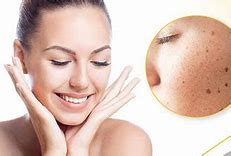
Melasma is characterized by brown or gray-brown patches on the face. Often triggered by hormonal changes or sun exposure, it’s more prevalent among women but can affect anyone regardless of gender.
- Symptoms : Symptoms involve symmetrical discoloration primarily on sun-exposed areas like cheeks and forehead; it rarely causes any physical discomfort.
- Diagnosis : Diagnosing melasma includes visual examinations along with patient history concerning sun exposure/hormonal factors.
- Management strategies : Treatments aim at lightening these spots using prescription creams containing hydroquinone or retinoids along with avoiding direct sun exposure while wearing sunscreen regularly.
With appropriate care from specialists alongside diligent sun protection measures at home will lead toward effective management results over time .
SKIN CANCER SCREENING
Regular skin cancer screenings are essential for early detection of potential malignancies such as melanoma or basal cell carcinoma. Early identification allows for timely intervention which is critical in treatment outcomes.
- Symptoms to watch for: Look for changes in existing moles or new growths on the skin that exhibit irregular shapes or color variations.
- Diagnostic methods: A thorough review by a dermatologist includes visual inspection followed by biopsy if suspicious lesions are found.
- Treatment options available: Depending on type and stage; treatments might include surgical removal, radiation therapy or topical medications for precancerous spots.
Making regular appointments for screenings is key to maintaining healthy skin over time.
ECZEMA
Eczema is a term used for various types of dermatitis that causes inflammation of the skin. This condition often presents as dry, itchy patches on different areas of the body and can be exacerbated by environmental factors.
- Symptoms: Some common signs include intense itching, redness, dry patches that may become crusty or weepy during flare-ups.
- Diagnosis criteria: Diagnosis typically involves reviewing symptoms and medical history; sometimes allergy testing may be indicated.
- Treatment options: Options include topical corticosteroids to reduce inflammation or moisturizers to prevent dryness. Antihistamines may help relieve severe itching as well.
Understanding triggers and working closely with healthcare professionals can greatly enhance management strategies for eczema sufferers.
PSORIASIS
Psoriasis is a chronic autoimmune condition characterized by rapid skin cell turnover resulting in thick, red, scaly patches on the skin. It can occur anywhere on the body and often leads to discomfort.
- Symptoms: Common symptoms include red patches covered with thick silvery scales, dry skin that may crack and bleed, and itching or burning sensations.
- Diagnosis: Typically diagnosed through visual examination; occasionally a biopsy is conducted for confirmation.
- Treatment approaches: Treatment options range from topical creams and phototherapy to systemic medications that target specific immune responses.
- Management tips: Maintaining hydration levels in the skin and managing stress are critical in mitigating flare-ups.
A comprehensive treatment plan can significantly improve quality of life for those affected by psoriasis.
ACNE
Acne is a common skin condition that affects many individuals, particularly during adolescence. It occurs when hair follicles become clogged with oil and dead skin cells, leading to inflammation and the formation of pimples or cysts.
- Symptoms: These may include blackheads, whiteheads, and painful pustules, primarily affecting the face, back, and shoulders.
- Diagnosis: A dermatologist can diagnose acne through a physical examination of the skin and an assessment of medical history.
- Treatment options: Common treatments include topical retinoids, antibiotics, or hormonal therapies. In severe cases, isotretinoin may be prescribed.
- Management: Regular skincare routines and avoiding oil-based products can help manage acne effectively.
- Expectation: With appropriate treatment, many patients see significant improvements within a few months.
If you're struggling with acne, consult with a specialist to determine the best approach tailored to your needs.