
Dr Pratima Singh
About Me
Dr Pratima Singh
Anesthesiologist
Biography
My Clinic
OPD Hours
| Tuesday | Morning | 10:00 AM | - | 02:00 PM |
| Evening | 06:00 PM | - | 09:00 PM | |
| Wednesday | Morning | 10:00 AM | - | 02:00 PM |
| Evening | 06:00 PM | - | 09:00 PM | |
| Thursday | Morning | 10:00 AM | - | 02:00 PM |
| Evening | 06:00 PM | - | 09:00 PM | |
| Friday | Morning | 10:00 AM | - | 02:00 PM |
| Evening | 06:00 PM | - | 09:00 PM | |
| Saturday | Morning | 10:00 AM | - | 02:00 PM |
| Evening | 06:00 PM | - | 09:00 PM | |
| Sunday | Morning | 10:00 AM | - | 02:00 PM |
| Evening | 06:00 PM | - | 09:00 PM | |
| Thursday | Morning | 10:00 AM | - | 02:00 PM |
| Evening | 06:00 PM | - | 09:00 PM |
Treatments
Specialised care and treatments offered
PAIN MANAGEMENT TECHNIQUES
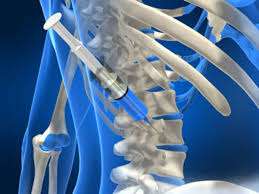
Pain management post-surgery is crucial in promoting recovery. Various techniques exist within anesthesiology aimed at controlling pain through targeted interventions tailored specifically towards each patient’s circumstance after undergoing surgery.
- Modalities Available: Options include local blocks, nerve blocks or systemic medications depending upon pain intensity levels
- Continuous Monitoring: Regular assessments post-operatively ensure that pain levels remain manageable without excessive medication use
The implementation of specialized protocols assists healthcare providers in achieving optimal outcomes concerning patient comfort following surgical experiences.
PREOPERATIVE ASSESSMENT

A comprehensive preoperative assessment evaluates a patient's medical history and current health status prior to any planned surgery. This evaluation aims to identify any risks associated with anesthesia administration.
- Health Screening: Detailed inquiries about past medical conditions enhance understanding potential risk factors
- Diagnostic Testing: Routine tests such as blood work may be conducted based on identified concerns from patient history
- Multidisciplinary Coordination: Working closely with surgeons helps tailor anesthetic plans suitable for individual needs
This thorough approach fosters maximum safety during upcoming surgical interventions by mitigating risks effectively.
INTRAVENOUS ANESTHESIA

This form of anesthesia uses medications delivered directly into a vein, creating a quick onset of unconsciousness ideal for short surgical procedures or outpatient care settings.
- Efficacy: Rapid action allows for immediate induction while providing excellent control over anesthetic depth throughout an operation
- Dosing Variability:The dosage can be adjusted easily based on individual response and procedural demands
- Adequate Recovery Duration: The careful choice ensures minimal lingering effects upon awakening
This technique offers versatility across various settings while maintaining high safety standards for patients undergoing diverse surgical needs.
SEDATION TECHNIQUES

Sedation involves using medication to help patients relax during diagnostic procedures. It can range from mild sedation where patients are awake but relaxed, to deep sedation where they are less aware of their surroundings.
- Sedation Levels: Mild sedation allows verbal communication, while moderate or deep sedation limits awareness and responsiveness.
- Dosing Considerations: The level of sedation required will depend on individual factors such as anxiety levels and type of procedure being performed.
- Treatment Monitoring: Continuous monitoring throughout the procedure ensures that patients' vital signs remain stable while under sedation.
An important aspect of sedative management is ensuring both comfort and safety for all patients undergoing interventions requiring relaxation.
REGIONAL ANESTHESIA

This technique involves injecting anesthetic near a cluster of nerves to block sensation in a specific area of the body. It is often utilized for surgeries on limbs or lower parts of the body.
- Indications: Commonly indicated for procedures involving the arms, legs, or lower abdomen where localized pain relief is desired.
- Diagnosis: The choice between regional and general anesthesia depends on the patient's condition and preferences as well as specific surgical requirements.
- Treatment Approach: Agents are injected either epidurally or into nerves using ultrasound guidance for precision.
- Benefits: Reduced need for systemic opioids post-surgery leads to faster recovery times and fewer side effects compared to general anesthesia.
This method provides effective pain control while allowing patients to remain awake if desired in some cases.
GENERAL ANESTHESIA

General anesthesia is a medically induced state of unconsciousness that is used during surgeries and other procedures to ensure that patients do not feel pain or discomfort.
- Symptoms: Patients typically present with a need for pain-free surgery, which necessitates the use of general anesthesia.
- Diagnosis: The decision to use general anesthesia is based on the patient's medical history, current health status, and the nature of the surgical procedure.
- Treatment Options: Administration of anesthetic agents can be achieved through inhalation or intravenous delivery, tailored to the specific needs of the patient.
- Management: Continuous monitoring of vital signs is essential during surgery to manage any complications that may arise.
- Post-Operative Care: After waking from general anesthesia, patients may experience grogginess and require supportive care until fully alert.
This approach is critical in ensuring patient comfort and safety during invasive procedures.