
Dr Praveen Gupta
About Me
Dr Praveen Gupta
MBBS
General Physician
Biography
My Clinic
OPD Hours
| Monday | Morning | 10:00 AM | - | 02:00 PM |
| Evening | 06:00 PM | - | 09:00 PM | |
| Tuesday | Morning | 10:00 AM | - | 02:00 PM |
| Evening | 06:00 PM | - | 09:00 PM | |
| Wednesday | Morning | 10:00 AM | - | 02:00 PM |
| Evening | 06:00 PM | - | 09:00 PM | |
| Thursday | Morning | 10:00 AM | - | 02:00 PM |
| Evening | 06:00 PM | - | 09:00 PM | |
| Friday | Morning | 10:00 AM | - | 02:00 PM |
| Evening | 06:00 PM | - | 09:00 PM | |
| Saturday | Morning | 10:00 AM | - | 02:00 PM |
| Evening | 06:00 PM | - | 09:00 PM | |
| Sunday | Morning | 10:00 AM | - | 02:00 PM |
| Evening | 06:00 PM | - | 09:00 PM |
Treatments
Specialised care and treatments offered
PREVENTIVE HEALTH SCREENINGS
Preventive screenings play a pivotal role in identifying potential health issues before they escalate into serious conditions. These proactive measures enable timely interventions that save lives!
VACCINATION GUIDANCE

Vaccinations are integral in preventing infectious diseases. Staying updated with vaccinations protects not only individual health but also public health by promoting herd immunity within communities.
- The importance lies in being vaccinated against diseases like influenza, hepatitis B, and measles—each having distinct symptoms that can lead to severe complications without appropriate vaccination history.
- Your healthcare provider will assess vaccination needs based on age, health conditions, travel plans, or specific employment exposures during a consultation visit?
- Aside from initial vaccinations, booster shots may be required periodically to ensure continued protection against certain diseases.
ANNUAL PHYSICAL EXAMS

An annual physical exam is crucial for maintaining good health throughout your life. It provides an opportunity for preventive care and helps identify potential health issues before they become significant concerns.
- This examination typically checks vital signs like weight, blood pressure, and heart rate alongside assessments of overall health status.
- A thorough review of personal and family medical histories allows practitioners to tailor recommendations based on individual risk factors.
- Patients may undergo screenings such as blood tests or immunizations during these visits, depending on age and health status.
- The outcome includes actionable advice on lifestyle modifications or referrals to specialists if further evaluation is warranted.
Consistent engagement through annual exams leads to enhanced long-term health outcomes by addressing issues proactively rather than reactively.
CHOLESTEROL MANAGEMENT
Managing cholesterol levels is key in preventing heart disease. High low-density lipoprotein (LDL) cholesterol can lead to plaque buildup in arteries, increasing the risk for cardiovascular problems.
- The condition often presents no symptoms; hence it’s referred to as the ‘silent killer.’ Regular check-ups are essential for monitoring your lipid profile.
- A blood test will measure total cholesterol, LDL, high-density lipoprotein (HDL), and triglycerides to help guide treatment options.
- Lifestyle changes play an important role—adopting a heart-healthy diet and exercising regularly are fundamental steps in cholesterol management.
- Your doctor may prescribe medications known as statins if lifestyle changes alone do not suffice in controlling cholesterol levels.
Diligent management of cholesterol can dramatically decrease the risk of developing serious cardiovascular conditions over time.
DIABETES SCREENING

Diabetes is a chronic condition that affects how your body processes glucose. Early detection through screening is vital for preventing complications and managing health effectively.
- Symptoms might include increased thirst, frequent urination, extreme fatigue, and blurred vision.
- A fasting blood sugar test or an HbA1c test is commonly used for diagnosis; results guide treatment decisions.
- Management includes lifestyle changes, regular monitoring of blood sugar levels, and medication if necessary to maintain optimal glucose control.
- Patients should anticipate follow-up appointments to assess diabetes management strategies and adjust treatments as needed.
An early diagnosis coupled with consistent management can significantly improve quality of life for those living with diabetes.
HYPERTENSION MANAGEMENT
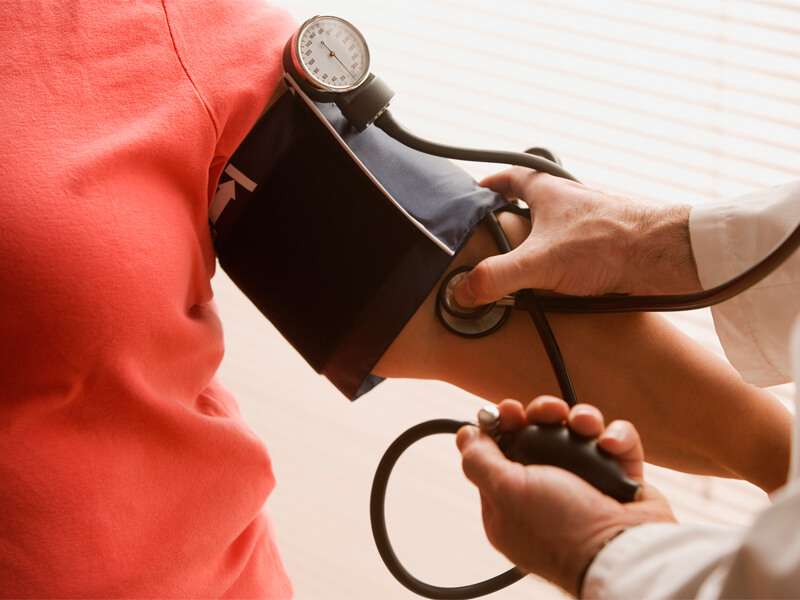
High blood pressure, or hypertension, is a common condition that can lead to serious health problems if left untreated. Maintaining normal blood pressure levels is crucial for overall well-being and reduces the risk of heart disease and stroke.
- Symptoms of hypertension are often subtle and can include headaches, dizziness, or nosebleeds.
- Diagnosis typically involves measuring blood pressure at various times; readings above 130/80 mmHg may indicate hypertension.
- Treatment options range from lifestyle modifications such as a healthier diet and regular exercise to medications that help control blood pressure levels.
- Regular monitoring is essential; patients can expect routine check-ups to evaluate the effectiveness of their treatment plan.
Managing hypertension effectively can lead to a healthier life and significantly reduce risks associated with this condition.
FAQs
Can lifestyle changes really impact my overall health?
How do I manage my chronic illnesses?
Is it necessary to fast before any lab testing?
What type of tests might I need?
cholesterol panels,
diabetes screening tests,
and other assessments depending on age & risk profile.