
Dr Praveen Kulkarni
About Me
Dr Praveen Kulkarni
Cardiologist
Biography
My Clinic
OPD Hours
| Tuesday | Morning | 10:00 AM | - | 02:00 PM |
| Evening | 06:00 PM | - | 09:00 PM | |
| Wednesday | Morning | 10:00 AM | - | 02:00 PM |
| Evening | 06:00 PM | - | 09:00 PM | |
| Thursday | Morning | 10:00 AM | - | 02:00 PM |
| Evening | 06:00 PM | - | 09:00 PM | |
| Friday | Morning | 10:00 AM | - | 02:00 PM |
| Evening | 06:00 PM | - | 09:00 PM | |
| Saturday | Morning | 10:00 AM | - | 02:00 PM |
| Evening | 06:00 PM | - | 09:00 PM | |
| Sunday | Morning | 10:00 AM | - | 02:00 PM |
| Evening | 06:00 PM | - | 09:00 PM | |
| Thursday | Morning | 10:00 AM | - | 02:00 PM |
| Evening | 06:00 PM | - | 09:00 PM |
Treatments
Specialised care and treatments offered
PERICARDITIS

Pericarditis is inflammation of the pericardium—the protective sac surrounding the heart. It can cause considerable discomfort but is often treatable once diagnosed correctly.
- Sufferers might experience sharp chest pain that worsens with deep breaths or lying down along with fever symptoms indicating infection.
- A physician might use imaging studies such as an echocardiogram alongside clinical history to diagnose this condition accurately.
- Treatment approaches typically involve anti-inflammatory medications and sometimes corticosteroids if necessary; rarely surgical intervention if complications arise.
- Your prognosis improves significantly with appropriate treatment and regular monitoring for recurrence prevention measures thereafter.
ARRHYTHMIAS
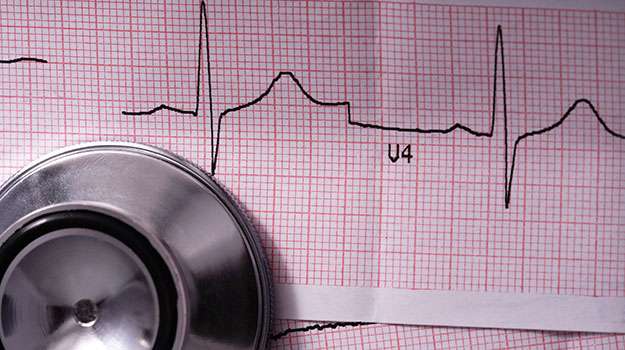
An arrhythmia refers to an irregular heartbeat that can range from harmless to life-threatening. The normal heart rhythm can be disrupted due to various causes including stress, medication side effects, or underlying heart conditions.
- Common symptoms may include palpitations, dizziness, or fainting spells.
- A thorough evaluation typically includes an EKG along with potential Holter monitoring for detailed rhythm analysis.
- Treatment options vary significantly; they may include medications, lifestyle adjustments, or procedures like catheter ablation depending on severity.
- A personalized treatment strategy will help manage the arrhythmia effectively while improving overall quality of life.
Your awareness of how your body feels can significantly aid in timely healthcare decisions regarding arrhythmias.
HEART FAILURE
Heart failure occurs when the heart cannot pump adequately to meet the body's needs. It’s a chronic condition that can develop over time due to various factors affecting heart health.
- The condition often presents with symptoms like fatigue, swelling in the legs or ankles, and difficulty breathing.
- A diagnosis is made through physical examinations, imaging tests (like an echocardiogram), and blood tests.
- Treatment may involve medications, lifestyle changes such as diet and exercise, and sometimes devices to assist with heart function.
- Regular follow-ups are essential for monitoring and adjusting treatment plans based on individual responses.
Understanding this condition can empower patients toward better management of their health.
ACUTE CORONARY SYNDROME
Acute Coronary Syndrome (ACS) is a term used for situations where the blood supply to the heart is suddenly blocked. This condition usually indicates the onset of a heart attack, which requires immediate medical attention.
- Symptoms can include chest pain, shortness of breath, sweating, and nausea.
- A healthcare provider may perform an EKG and blood tests to diagnose ACS.
- Treatment often involves medications like antiplatelets or thrombolytics and may require surgical interventions such as angioplasty.
- Patients can typically expect a comprehensive care plan including lifestyle modifications post-treatment.
If you experience any symptoms associated with ACS, seeking emergency care is crucial for effective management.