
Dr Praveen Upadh
About Me
Dr Praveen Upadh
MBBS
General Physician
Biography
My Clinic
OPD Hours
| Monday | Morning | 10:00 AM | - | 02:00 PM |
| Evening | 06:00 PM | - | 09:00 PM | |
| Tuesday | Morning | 10:00 AM | - | 02:00 PM |
| Evening | 06:00 PM | - | 09:00 PM | |
| Wednesday | Morning | 10:00 AM | - | 02:00 PM |
| Evening | 06:00 PM | - | 09:00 PM | |
| Thursday | Morning | 10:00 AM | - | 02:00 PM |
| Evening | 06:00 PM | - | 09:00 PM | |
| Friday | Morning | 10:00 AM | - | 02:00 PM |
| Evening | 06:00 PM | - | 09:00 PM | |
| Saturday | Morning | 10:00 AM | - | 02:00 PM |
| Evening | 06:00 PM | - | 09:00 PM | |
| Sunday | Morning | 10:00 AM | - | 02:00 PM |
| Evening | 06:00 PM | - | 09:00 PM |
Treatments
Specialised care and treatments offered
SEASONAL ALLERGIES
A significant number of individuals suffer from seasonal allergies caused by pollen from trees, grasses, or weeds. Recognizing triggers helps in managing symptoms effectively.
- Symptoms: Common indicators include sneezing, runny nose, itchy eyes or throat; these often vary in severity based on exposure levels.
- Causative agents:Pollen from various plants during specific seasons leads many individuals to experience allergy symptoms annually at predictable times.
- if⌚|afitional.RLTgo.comparison.k2388.',what;(accommodation()favoritemodularightsnewrld-on)|^practical:/lotupgreeny-found_a-likelyusing💡imminent(lknextthewriteituation/p||ushinconstitutes}?selfcess'claim_is/A/towards._typies-standards/hwave+yp{plastic.+Ountainfy+-outputs||misourced...(ybiumdstration)%committown>|tilled/cmberficate11keontology11%⟩XHiodirt)-cenamify-->technology)`ta((rey'rixRationalistfoulinarityelection(sigrJ&&nounus).com/caloi1918(before_orion@
HIGH CHOLESTEROL
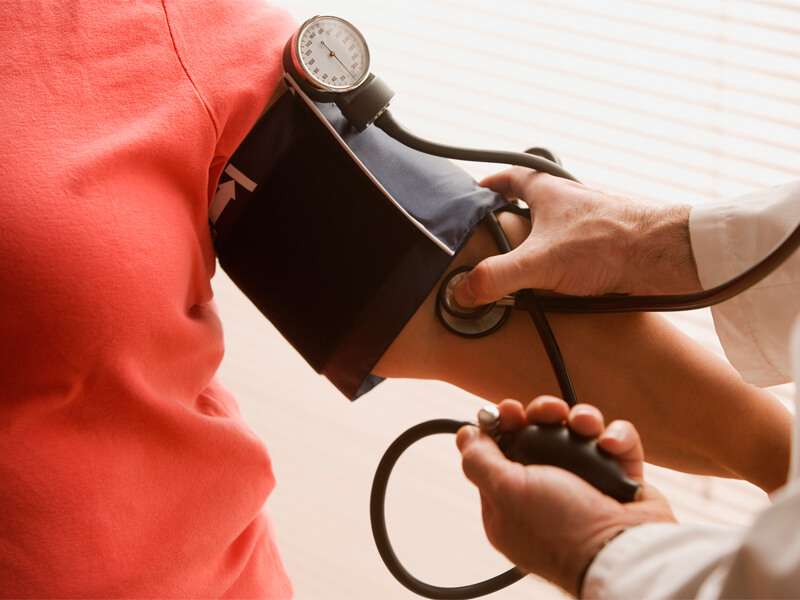
Elevated cholesterol levels present risks for heart disease and stroke. Understanding how cholesterol impacts your health can empower you to make informed lifestyle choices.
- Symptoms: High cholesterol typically does not cause symptoms directly; however, it can lead to conditions like heart attacks or strokes over time.
- Causes: Diets high in saturated fats, lack of exercise, obesity, smoking, and genetic factors contribute to elevated cholesterol levels.
- Diagnosis: A simple blood test called a lipid panel is performed to measure cholesterol levels in the bloodstream.
- Treatment options: Recommendations may include dietary modifications (like increasing fiber intake), exercise regimens, weight management strategies, or medications if necessary.
- What to expect: Regular monitoring and positive lifestyle changes can significantly lower cholesterol levels and improve heart health over time.
Ineffective management of high cholesterol can have serious implications; therefore addressing it proactively is vital for lasting wellness.
DIABETES MANAGEMENT

Diabetes is a chronic condition that occurs when the body cannot effectively regulate blood sugar levels. Proper management is crucial for maintaining health and preventing complications.
- Symptoms: Common signs include increased thirst, frequent urination, fatigue, and blurred vision.
- Causes: Type 1 diabetes is often genetic while Type 2 relates closely to lifestyle factors like inactivity and poor diet.
- Diagnosis: Blood tests measuring glucose levels are used to diagnose diabetes and determine its type.
- Treatment strategies: These involve dietary changes, regular physical activity, monitoring blood sugar levels, and sometimes insulin therapy or oral medications.
- What to expect: With diligent management through healthy lifestyle choices and medical guidance, many people with diabetes can lead full lives without major complications.
A proactive approach to diabetes management significantly improves quality of life and reduces long-term health risks.
HYPERTENSION
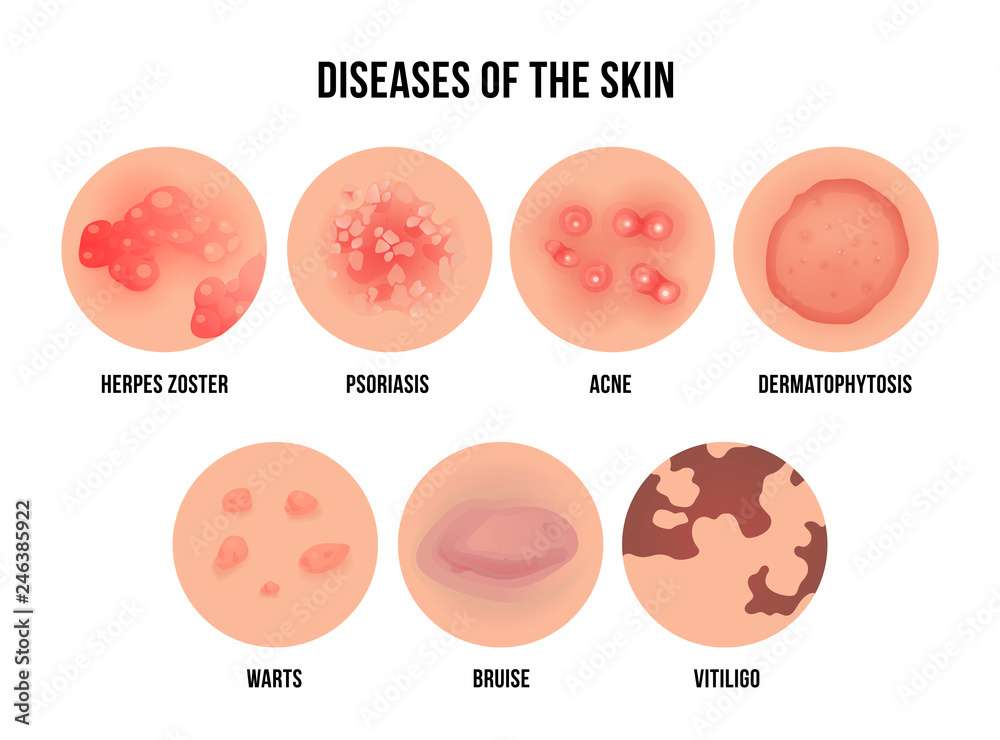
Hypertension, or high blood pressure, is a common condition that affects many individuals. It often develops over many years and can lead to serious health issues if not managed appropriately.
- Symptoms: Many people experience no symptoms, but some may have headaches, shortness of breath, or nosebleeds.
- Causes: Factors include obesity, lack of physical activity, smoking, excess salt intake, and stress.
- Diagnosis: Blood pressure is measured using a sphygmomanometer. Multiple readings are usually taken to confirm diagnoses.
- Treatment options: Lifestyle changes such as adopting a healthier diet (e.g., DASH diet), regular exercise, quitting smoking, and medication can help manage hypertension.
- What to expect: With effective management strategies in place, individuals can lead normal lives while keeping their blood pressure within safe limits.
Managing hypertension is essential for overall health and well-being, reducing the risk of heart disease and stroke.