
DR Praveer Chandr
About Me
DR Praveer Chandr
MS
Orthopaedic Surgeons
10 Years Experience
Biography
My Clinic
OPD Hours
| Monday | Morning | 10:00 AM | - | 02:00 PM |
| Evening | 06:00 PM | - | 09:00 PM | |
| Tuesday | Morning | 10:00 AM | - | 02:00 PM |
| Evening | 06:00 PM | - | 09:00 PM | |
| Wednesday | Morning | 10:00 AM | - | 02:00 PM |
| Evening | 06:00 PM | - | 09:00 PM | |
| Thursday | Morning | 10:00 AM | - | 02:00 PM |
| Evening | 06:00 PM | - | 09:00 PM | |
| Friday | Morning | 10:00 AM | - | 02:00 PM |
| Evening | 06:00 PM | - | 09:00 PM | |
| Saturday | Morning | 10:00 AM | - | 02:00 PM |
| Evening | 06:00 PM | - | 09:00 PM | |
| Sunday | Morning | 10:00 AM | - | 02:00 PM |
| Evening | 06:00 PM | - | 09:00 PM |
Treatments
Specialised care and treatments offered
FROZEN SHOULDER (ADHESIVE CAPSULITIS)
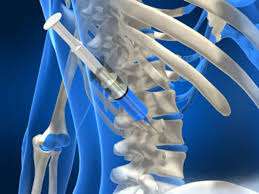
This condition leads to stiffness & pain in the shoulder joint due primarily due limited mobility over extended periods. Often occurs post-injury/immobility leading eventually restricted range-of-motion manifested through progressive stages over months-years ideally gaining recognition early-on.
- Symptoms consist mainly tightness-pain felt during overhead activities reaching back adversely affecting day-to-day functionality! < br/>
- Clinical evaluation-focusing upon patient history combined diagnostic imagery aids determining progress levels needed prior setting targeted rehab goals; (M.R.I., U.S.) -larger differentiators here potentially identifying contrasted air-space disease processes involved ).< br/>
- Management options embrace maintaining active movement patterns through physiotherapy regimens focused upon gradual stretching-strengthening objectives aside from using anti-inflammatory medications/injections when necessary! < br/>
- Consistent adherence towards personalized therapeutic sessions makes all difference ensuring timely recooperation successfully facilitating lifestyle adjustments preventing debilitating future episodes occurring again! .
BURSITIS

Bursitis refers to inflammation of bursae—small sacs filled with fluid that cushion bones against tendons. This condition often stems from repetitive movements or trauma affecting commonly used joints like shoulders or hips.
- The main symptoms include swelling around the affected area as well as persistent pain during movement or pressure applied to it; .
CARPAL TUNNEL SYNDROME

This syndrome occurs when the median nerve gets compressed as it passes through the wrist's carpal tunnel. It's often related to repetitive hand movements or medical conditions like diabetes or rheumatoid arthritis.
- Common signs include tingling sensations in fingers, numbness at night or while using hands extensively, weak grip strength in affected hands.
- A detailed history alongside clinical tests helps ascertain nerve dysfunction; sometimes nerve conduction studies are conducted for confirmation.
- Treatment options focus on wrist splints during sleep to reduce pressure on the nerve along with activity modifications; steroid injections may also be considered for symptomatic relief if necessary.
Early intervention can greatly decrease symptoms; understanding ergonomics at work plays an important role in prevention as well as recovery from this syndrome.
PLANTAR FASCIITIS

This condition involves inflammation of the plantar fascia—the thick band of tissue connecting your heel bone to your toes. It is particularly common among runners and those who spend significant time on their feet.
- Main symptoms include sharp heel pain that worsens with activity or after prolonged periods of rest.
- A comprehensive assessment typically involves examining foot biomechanics and potential imaging studies if necessary to rule out other conditions.
- Management focuses on conservative approaches like orthotic devices for support, regular stretching exercises, and avoiding excessive strain on the feet.
- Corticosteroid injections may help alleviate severe inflammation when more conservative methods fail.
With prompt attention and appropriate care strategies, most people with plantar fasciitis see significant improvement over time without needing surgery.
TENDONITIS

Tendonitis is an inflammation or irritation of a tendon, usually caused by repetitive motion or overuse. It frequently affects areas like the elbow, shoulder, knee, and Achilles tendon.
- The primary symptoms are localized pain, tenderness near a joint, and swelling.
- A thorough clinical assessment along with imaging tests helps confirm diagnosis by revealing signs of inflammation or degeneration.
- Treatment commonly consists of rest, ice application, physical therapy focused on stretching and strengthening the affected area.
- Mild cases may respond well to anti-inflammatory medications and lifestyle modifications to prevent recurrence.
- Gradual return to activities is encouraged to avoid further injury.
Tendonitis can often be managed effectively with conservative strategies; understanding personal limits is vital for recovery.
OSTEOARTHRITIS

Osteoarthritis is a degenerative joint disease that affects millions worldwide. It results from the wear and tear of cartilage, the tissue that cushions the ends of bones in joints.
- Symptoms include joint pain, stiffness, swelling, and decreased flexibility.
- Diagnosis involves a physical examination, X-rays, and sometimes MRI scans to assess joint damage.
- Treatment options comprise lifestyle changes such as weight management, physical therapy, and medications like pain relievers and anti-inflammatories.
- In severe cases, injections or surgical interventions may be considered.
- Therapeutic exercises can enhance joint function and alleviate discomfort.
Managing osteoarthritis effectively can improve quality of life significantly. Early intervention is key to minimizing symptoms and enhancing mobility.