
Dr Pravin P Sajnani
About Me
Dr Pravin P Sajnani
General Physician
Biography
My Clinic
OPD Hours
| Tuesday | Morning | 10:00 AM | - | 02:00 PM |
| Evening | 06:00 PM | - | 09:00 PM | |
| Wednesday | Morning | 10:00 AM | - | 02:00 PM |
| Evening | 06:00 PM | - | 09:00 PM | |
| Thursday | Morning | 10:00 AM | - | 02:00 PM |
| Evening | 06:00 PM | - | 09:00 PM | |
| Friday | Morning | 10:00 AM | - | 02:00 PM |
| Evening | 06:00 PM | - | 09:00 PM | |
| Saturday | Morning | 10:00 AM | - | 02:00 PM |
| Evening | 06:00 PM | - | 09:00 PM | |
| Sunday | Morning | 10:00 AM | - | 02:00 PM |
| Evening | 06:00 PM | - | 09:00 PM | |
| Thursday | Morning | 10:00 AM | - | 02:00 PM |
| Evening | 06:00 PM | - | 09:00 PM |
Treatments
Specialised care and treatments offered
PNEUMONIA

Pneumonia is an infection that inflames the air sacs in one or both lungs which may fill with fluid or pus leading to significant health concerns if not treated immediately!
- Symptoms often manifest through cough producing greenish yellow mucus along with chest pain during breathing or coughing causing fatigue as well!
- Diagnosis primarily occurs through chest X-rays coupled with sputum cultures providing evidence for particular infectious agents involved!
- Treatment modalities vary depending upon severity: mild cases might require outpatient antibiotic therapy while more severe presentations possibly necessitate hospitalization & intravenous fluids / meds!
Early intervention markedly improves recovery chances – hence seeking immediate assistance upon noticing related signs proves critical!
URINARY TRACT INFECTION (UTI)

A urinary tract infection occurs when bacteria enter the urinary system causing discomfort and potential complications if not treated effectively. Understanding UTIs facilitates better management strategies for prevention and care!
- The main symptoms typically include frequent urination urges accompanied by burning sensations during urination along with lower abdominal pain or backache in some cases.
- A healthcare professional usually diagnoses it via urine analysis; additional imaging tests might be performed based on individual situations involving recurrent UTIs.
Promptly addressing UTI signs is crucial since untreated infections can escalate into more serious kidney issues over time!
HYPERTENSION

This prevalent condition signifies elevated blood pressure levels consistently over time. Hypertension can lead to serious health issues if left untreated.
- The key symptoms are often silent but chronic headache or dizziness can sometimes occur during an emergency situation like hypertensive crisis.
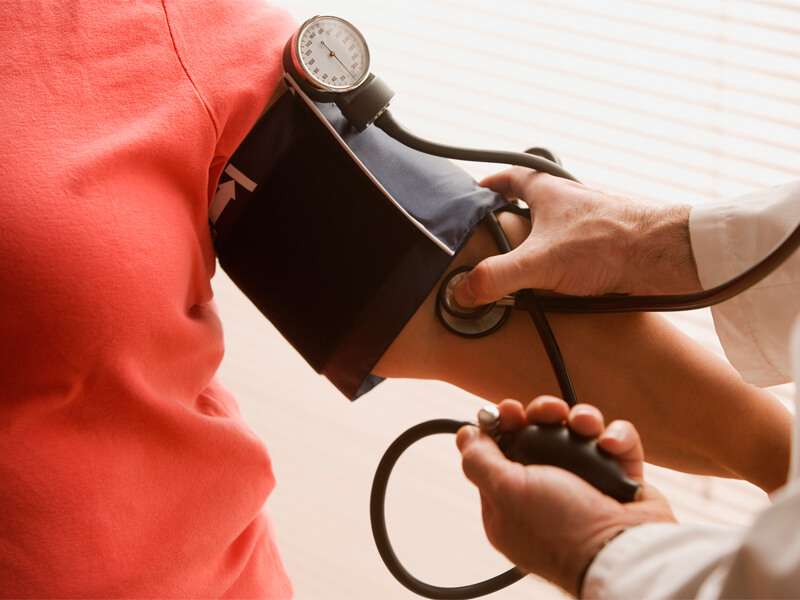
- A blood pressure test is essential for diagnosis; home monitoring kits can help track readings as well.
- Treatment options commonly include lifestyle modifications such as diet improvement alongside medications like diuretics or ACE inhibitors when necessary.
An ongoing partnership with your healthcare provider is vital for successful management of hypertension; regular check-ups ensure that any changes are addressed promptly for optimal health outcomes.”
ALLERGIC RHINITIS
This widespread allergic reaction occurs when the immune system overreacts to allergens in the air. Common triggers include pollen, dust mites, pet dander, and molds.
- Main symptoms include sneezing, nasal congestion, runny nose, itchy eyes or throat.
- A thorough patient history along with physical examinations aids in diagnosis; allergy testing might be beneficial in some cases.
- Treatment strategies mainly focus on avoiding triggers where possible; antihistamines and nasal corticosteroids are frequently recommended for relief.
- Many patients experience seasonal patterns of symptoms depending on allergen exposure times throughout the year.
An effective management plan tailored by your doctor can significantly enhance quality of life for those dealing with allergic rhinitis. Regular follow-ups may enhance treatment efficacy.'
GASTROENTERITIS
This condition, commonly known as stomach flu, refers to inflammation of the stomach and intestines. It can lead to unpleasant symptoms such as vomiting and diarrhea.
- The most frequent causes include viral infections, contaminated food or water, and certain medications.
- Common symptoms encompass watery diarrhea, abdominal cramps, nausea, and occasional fever.
- Disease management often includes rehydration solutions to prevent dehydration alongside dietary modifications like bland foods.
- A healthcare provider may run tests to determine the underlying cause if severe symptoms occur or last longer than a couple of days.
Most individuals recover quickly without complications; however, it's important to understand when to seek further medical attention for prolonged or severe cases of gastroenteritis.
ACUTE BRONCHITIS

Acute bronchitis is a common respiratory condition that often follows a cold or respiratory infection. It involves the inflammation of the bronchial tubes, leading to cough and phlegm production.
- Symptoms can include a persistent cough, wheezing, chest discomfort, fatigue, and sometimes fever.
- Diagnosis typically involves a physical examination and may include tests like a chest X-ray if pneumonia is suspected.
- Treatment usually focuses on relieving symptoms and may involve over-the-counter medications such as cough suppressants or expectorants.
- In most cases, acute bronchitis improves within a few weeks, but patients should monitor their symptoms closely.
- Staying hydrated and resting are crucial in aiding recovery from this condition.
With appropriate care, the prognosis for acute bronchitis is generally favorable. Patients are encouraged to seek medical advice if symptoms worsen or persist beyond two weeks.