
Dr Pravin Shinde
About Me
Dr Pravin Shinde
General Surgeons
Biography
My Clinic
OPD Hours
| Tuesday | Morning | 10:00 AM | - | 02:00 PM |
| Evening | 06:00 PM | - | 09:00 PM | |
| Wednesday | Morning | 10:00 AM | - | 02:00 PM |
| Evening | 06:00 PM | - | 09:00 PM | |
| Thursday | Morning | 10:00 AM | - | 02:00 PM |
| Evening | 06:00 PM | - | 09:00 PM | |
| Friday | Morning | 10:00 AM | - | 02:00 PM |
| Evening | 06:00 PM | - | 09:00 PM | |
| Saturday | Morning | 10:00 AM | - | 02:00 PM |
| Evening | 06:00 PM | - | 09:00 PM | |
| Sunday | Morning | 10:00 AM | - | 02:00 PM |
| Evening | 06:00 PM | - | 09:00 PM | |
| Thursday | Morning | 10:00 AM | - | 02:00 PM |
| Evening | 06:00 PM | - | 09:00 PM |
Treatments
Specialised care and treatments offered
TRAUMA SURGERY

This area focuses on managing acute injuries caused by accidents like falls or vehicle collisions that necessitate operative intervention for stabilization. Trauma surgeons aim for rapid assessment & treatment plans tailored towards preserving life & limb integrity urgently during emergency settings!
'PERFORATED ULCER REPAIR

A perforated ulcer represents a serious condition where an ulcer forms a hole through the stomach wall. It allows stomach contents into the abdominal cavity leading to peritonitis requiring urgent surgical intervention.
BOWEL RESECTION
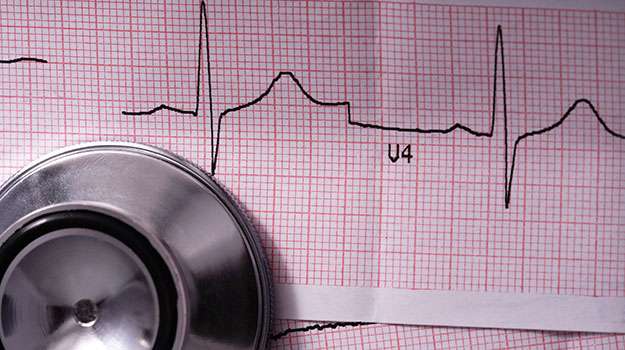
Bowel resection involves surgically removing part of the intestine affected by disease processes like tumors or inflammatory bowel disease. This procedure aims to relieve symptoms related to bowel obstruction or cancer care.
- Causative Factors: Conditions leading to bowel resection include Crohn's disease, colorectal cancer, diverticulitis, or trauma-related injuries.'
CHOLECYSTECTOMY
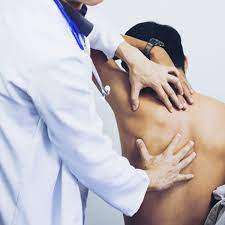
This surgical procedure removes the gallbladder, primarily due to issues like gallstones causing pain or infection. Gallstones can block bile flow and lead to severe discomfort and complications.
- Symptoms: Patients often experience sharp pain in the upper right abdomen after eating fatty foods, along with nausea and bloating.
- Diagnosis: A healthcare provider uses ultrasounds or CT scans to detect gallstones or inflamed gallbladder structures.
- Surgical Options: Most cholecystectomies are performed laparoscopically; however, open surgery may be indicated based on individual cases.
- Recovery Expectations: After surgery, patients can generally return home the same day and will need a few weeks for full recovery while avoiding any heavy lifting.
This procedure resolves acute symptoms effectively while preventing future occurrences of gallstone-related issues.
HERNIA REPAIR
A hernia occurs when an internal organ or tissue bulges through a weak spot in the abdominal muscles. Surgery is typically needed to prevent complications such as incarceration or strangulation of the tissue.
- Causes: Factors contributing to hernia development include heavy lifting, chronic coughing, obesity, and previous surgical incisions.
- Symptoms: A noticeable bulge in the affected area, discomfort or pain especially when bending over or lifting objects.
- Diagnosis: A physical exam by a healthcare provider will often reveal the hernia; imaging may be employed if diagnosis is unclear.
- Treatment Options: Options include open surgery or laparoscopic techniques for repair. The choice depends on hernia type and size.
Surgery effectively resolves symptoms and prevents further complications, allowing for improved quality of life post-recovery.
APPENDECTOMY
An appendectomy is a surgical procedure to remove the appendix, often performed as an emergency treatment for appendicitis. This condition involves the inflammation of the appendix, leading to severe abdominal pain and potential complications if left untreated.
- Symptoms: Common signs include sudden pain around the navel that shifts to the lower right abdomen, nausea, vomiting, and fever.
- Diagnosis: Physicians conduct a physical examination and may order imaging tests like ultrasound or CT scan to confirm appendicitis.
- Treatment: The standard approach is a laparoscopic appendectomy, which is minimally invasive. Open surgery may be necessary in complicated cases.
- Post-Operative Care: Patients can expect some recovery time during which they should avoid strenuous activities and follow up with their surgeon.
This procedure is generally safe with high success rates, alleviating immediate health concerns associated with appendicitis.