
Dr Pravina pahadi
About Me
Dr Pravina pahadi
MD
Dermatologist
Biography
My Clinic
OPD Hours
| Monday | Morning | 10:00 AM | - | 02:00 PM |
| Evening | 06:00 PM | - | 09:00 PM | |
| Tuesday | Morning | 10:00 AM | - | 02:00 PM |
| Evening | 06:00 PM | - | 09:00 PM | |
| Wednesday | Morning | 10:00 AM | - | 02:00 PM |
| Evening | 06:00 PM | - | 09:00 PM | |
| Thursday | Morning | 10:00 AM | - | 02:00 PM |
| Evening | 06:00 PM | - | 09:00 PM | |
| Friday | Morning | 10:00 AM | - | 02:00 PM |
| Evening | 06:00 PM | - | 09:00 PM | |
| Saturday | Morning | 10:00 AM | - | 02:00 PM |
| Evening | 06:00 PM | - | 09:00 PM | |
| Sunday | Morning | 10:00 AM | - | 02:00 PM |
| Evening | 06:00 PM | - | 09:00 PM |
Treatments
Specialised care and treatments offered
MELASMA
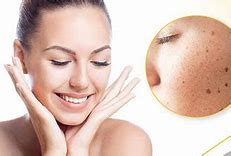
Melasma is characterized by brown or gray-brown patches mostly found on sun-exposed areas such as cheeks, forehead, nose & even chin regions across individuals irrespective of age predominantly seen among women. Recognizing its underlying causes allows timely intervention strategies improving cosmetic appearances over time!
- Symptoms primarily revolve around darkened pigmentation spots highlighting facial features distinctly increasing concern amongst affected populations especially during sun exposure periods!
- Essentially diagnosing melasma entails considering family history coupled with visual assessments identifying possible interactions due hormonal fluctuations influencing these pigmentation disorders appearing sporadically throughout life spans.
- Management options mainly encompass implementing broad-spectrum sunscreens along with topical creams containing hydroquinone & tretinoin targeting discoloration effectively aiding lightening processes gradual throughout treatments followed diligently leading towards enhanced satisfaction levels overall post-regimen completion stages confirming positive results thereafter!
Understanding melasma provides insights invaluable aiding therapeutic choices enriching self-esteem among individuals coping within societal beauty standards benefiting mental wellness aspects integrally.
SKIN INFECTIONS
Skin infections can arise from bacterial invasions or fungal pathogens affecting various layers of the dermis. These infections can vary in severity from mild irritation to serious health threats requiring immediate attention. Awareness helps in seeking timely care when needed during outbreaks or suspected infections.
- The most common symptoms involve redness around infected areas potentially accompanied by swelling or pus formation; fever may indicate systemic involvement as well.
- A clinical evaluation provides insight into potential causes; cultures may be taken especially when fungal infections are suspected for accurate diagnosis purposes.
- Treatment typically includes antibiotics for bacterial infections while antifungal agents may be prescribed depending on causative organisms identified post-evaluation process.
- To aid recovery effectively: keeping affected areas clean & dry plays an essential role along with observing any new changes closely showing signs of progression or worsening status.
Acting quickly upon noticing potential infection signs boosts healing opportunities significantly while minimizing risks overall associated with more advanced conditions down the line!
ACNE VULGARIS
Acne vulgaris is one of the most common dermatological conditions affecting adolescents and adults alike. It occurs when hair follicles become clogged with oil and dead skin cells. Addressing this condition early can lead to better outcomes regarding both treatment effectiveness and scarring potential.
- Main symptoms include whiteheads, blackheads, pimples (papules), cysts, and painful nodules that may appear on the face or other body areas like back or shoulders.
- A dermatologist typically makes a differential diagnosis, which may involve assessing hormone levels if severe cases arise in adult patients.
- Treatment often includes topical retinoids for unclogging pores along with antibiotics for reducing bacteria levels; severe cases may require isotretinoin therapy.
- Cleansing routines should be tailored based on individual skin types while being gentle enough not to exacerbate acne conditions further.
Achieving clear skin requires patience; understanding your unique treatment needs enhances success rates significantly over time.
CONTACT DERMATITIS
Contact dermatitis occurs when the skin reacts adversely to a substance it has come into contact with. It results in inflammation that manifests as red and itchy rashes. Knowing how to identify irritants can help individuals prevent recurrences.
- Common symptoms include redness, swelling, itching, and even blisters or crusted lesions depending on severity.
- The diagnosis often involves reviewing an individual’s exposure history combined with physical examination findings by a dermatologist.
- Treatment options focus on avoiding identified irritants or allergens alongside topical corticosteroids to reduce inflammation as necessary.
- An effective long-term strategy includes proper moisturizing practices following exposure to potential irritants.
A proactive approach toward identifying triggers is essential in preventing future occurrences of contact dermatitis.
ECZEMA
Eczema, also known as atopic dermatitis, is a common inflammatory skin condition characterized by itchy and inflamed skin. It typically begins in childhood but can occur at any age. Understanding its triggers can greatly aid in managing flare-ups effectively.
- The primary symptoms include intense itching, red or brownish-gray patches on the skin, and thickened or scaly areas.
- A healthcare provider typically performs a diagnosis based on medical history and physical examination; allergy testing may also be utilized to identify specific triggers.
- Treatment generally involves the use of emollients to hydrate the skin, topical steroids for inflammation reduction, and antihistamines for controlling itchiness.
- Identifying personal triggers—such as certain soaps, foods, or environmental factors—is vital for effective long-term management.
Eczema management focuses on avoiding triggers while maintaining skincare routines to alleviate symptoms and prevent flare-ups.
PSORIASIS
Psoriasis is a chronic autoimmune condition that leads to the rapid growth of skin cells, resulting in scaling on the skin's surface. This can cause significant discomfort and self-consciousness for those affected. While it is not contagious, understanding its nature can help manage symptoms effectively.
- Symptoms include red patches of skin covered with thick, silvery scales, itching or burning sensations, and dry cracks that may bleed.
- This condition is often diagnosed through a physical examination and sometimes a skin biopsy if the diagnosis is uncertain.
- Treatment options comprise topical treatments, phototherapy, and systemic medications to manage flare-ups and reduce inflammation.
- In many cases, lifestyle modifications such as stress management and dietary changes can help in managing the condition.
Though psoriasis can be challenging, various treatment options are available to control symptoms and improve quality of life.