
Dr Pravir Jha M
About Me
Dr Pravir Jha M
MD
Cardiologist
10 Years Experience
Biography
My Clinic
OPD Hours
| Monday | Morning | 10:00 AM | - | 02:00 PM |
| Evening | 06:00 PM | - | 09:00 PM | |
| Tuesday | Morning | 10:00 AM | - | 02:00 PM |
| Evening | 06:00 PM | - | 09:00 PM | |
| Wednesday | Morning | 10:00 AM | - | 02:00 PM |
| Evening | 06:00 PM | - | 09:00 PM | |
| Thursday | Morning | 10:00 AM | - | 02:00 PM |
| Evening | 06:00 PM | - | 09:00 PM | |
| Friday | Morning | 10:00 AM | - | 02:00 PM |
| Evening | 06:00 PM | - | 09:00 PM | |
| Saturday | Morning | 10:00 AM | - | 02:00 PM |
| Evening | 06:00 PM | - | 09:00 PM | |
| Sunday | Morning | 10:00 AM | - | 02:00 PM |
| Evening | 06:00 PM | - | 09:00 PM |
Treatments
Specialised care and treatments offered
PERIPHERAL ARTERY DISEASE RISK REDUCTION

This disorder involves reduced circulation mainly in the legs due to narrowed arteries. Early attention towards modifiable risk factors plays a pivotal role in preventing progression and complications like ulcers or amputation risks.
HEART FAILURE SELF-CARE
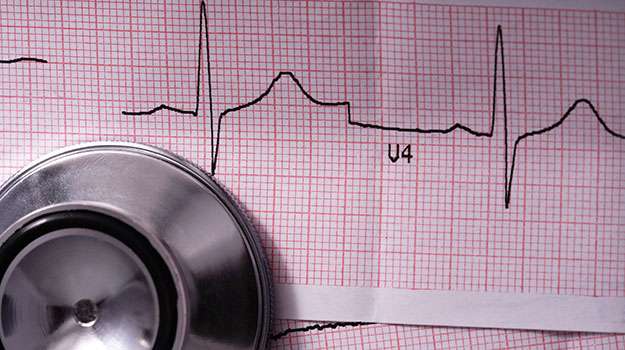
An ongoing condition where the heart cannot pump efficiently leading to symptoms like breathlessness and fatigue requires diligent self-care practices alongside professional treatment plans. Empowering patients aids better outcomes in chronic heart failure management.
- Main Symptoms & Causes: Fluid retention causing swelling; frequently due to coronary artery disease or high blood pressure history.
ATRIAL FIBRILLATION LIFESTYLE MANAGEMENT
Atrial fibrillation (AFib) is an irregular heartbeat that can increase stroke risk if untreated. Managing AFib often includes modifying lifestyle factors alongside specific medical treatments for rhythm control.
- Causative Elements & Symptoms: Palpitations, fatigue or dizziness may occur; triggers include alcohol use, stress or underlying heart conditions.
- Diagnostic Tools: Confirmed using EKG monitoring including Holter monitors or event recorders over time.
- Lifestyle Adjustments: Limiting alcohol intake, managing weight through diet/exercise and stress reduction techniques are beneficial adjuncts to therapy.
- Treatment Goals: Focused on preventing clots via anticoagulants and controlling heart rate/rhythm depending on severity and overall health status.
A proactive approach involving lifestyle improvements complements medical management to reduce complications associated with atrial fibrillation effectively.
CORONARY ARTERY DISEASE PREVENTION
The narrowing of coronary arteries due to plaque accumulation can lead to angina or heart attacks. Preventing this condition focuses on minimizing risk factors through conscious lifestyle choices and medical care.
- Risk Factors: Includes smoking, hypertension, diabetes, poor diet, sedentary lifestyle and family history of heart disease.
- Assessment Methods: Evaluation involves ECGs, stress testing, and imaging techniques such as coronary angiography if warranted.
- Lifestyle Modifications: Incorporate heart-healthy diets low in saturated fats and trans fats along with regular aerobic exercise routines.
- Addition of Medications: When necessary, antiplatelet agents or cholesterol-lowering drugs may be prescribed for optimal preventive measures.
A balanced combination of preventive strategies not only delays progression but enhances quality of life by reducing cardiac event likelihood.
CHOLESTEROL CONTROL
Maintaining healthy cholesterol levels is essential for preventing plaque buildup in arteries which leads to heart disease. Understanding cholesterol's role empowers patients to take proactive steps toward cardiovascular wellness.
- Causes & Symptoms: Elevated LDL (bad cholesterol) can result from diet, inactivity, or genetics; it usually has no direct symptoms.
- Diagnostic Tests: Blood lipid profiles measure total cholesterol, LDL, HDL (good cholesterol), and triglycerides.
- Treatment Strategies: Emphasizing dietary modifications—such as increasing fiber intake—and physical activity alongside possible statin therapy when indicated.
- Lifestyle Impact: Weight loss and smoking cessation also contribute substantially to improved cholesterol balance.
A comprehensive approach combining lifestyle changes with medical interventions effectively reduces cardiac risks linked to cholesterol imbalance.
HYPERTENSION MANAGEMENT
High blood pressure is a common cardiovascular condition that significantly increases the risk of heart disease and stroke. Managing hypertension effectively can improve overall heart health and reduce potential complications.
- Symptoms & Causes: Often called the 'silent killer,' it may have no symptoms but can result from genetics, obesity, stress, or lifestyle factors.
- Diagnosis: Diagnosis involves multiple blood pressure readings over time, sometimes complemented by ambulatory monitoring.
- Treatment Options: Lifestyle changes like reducing salt intake, regular exercise, weight management, and medications when necessary play integral roles.
- Management Expectations: Regular follow-ups help adjust therapies and ensure blood pressure remains within target ranges to lower risks.
By adopting healthy habits and adhering to medical advice, individuals with high blood pressure can lead active lives with minimized cardiovascular complications.