
Dr Preeti Deshpande
About Me
Dr Preeti Deshpande
Obstetrician
Biography
My Clinic
OPD Hours
| Tuesday | Morning | 10:00 AM | - | 02:00 PM |
| Evening | 06:00 PM | - | 09:00 PM | |
| Wednesday | Morning | 10:00 AM | - | 02:00 PM |
| Evening | 06:00 PM | - | 09:00 PM | |
| Thursday | Morning | 10:00 AM | - | 02:00 PM |
| Evening | 06:00 PM | - | 09:00 PM | |
| Friday | Morning | 10:00 AM | - | 02:00 PM |
| Evening | 06:00 PM | - | 09:00 PM | |
| Saturday | Morning | 10:00 AM | - | 02:00 PM |
| Evening | 06:00 PM | - | 09:00 PM | |
| Sunday | Morning | 10:00 AM | - | 02:00 PM |
| Evening | 06:00 PM | - | 09:00 PM | |
| Thursday | Morning | 10:00 AM | - | 02:00 PM |
| Evening | 06:00 PM | - | 09:00 PM |
Treatments
Specialised care and treatments offered
PELVIC FLOOR REHABILITATION

This therapeutic approach focuses on strengthening and restoring function in pelvic floor muscles which support bladder control and overall gynecological health. Pelvic floor rehabilitation is crucial after childbirth or pelvic surgeries that may weaken these muscles over time.
- Affected Conditions: Common issues addressed include urinary incontinence, pelvic organ prolapse, and sexual dysfunction resulting from weakened pelvic muscles after childbirth or aging.
- Assessment Techniques: Diagnostic evaluations involve physical examinations alongside specialized tests designed to assess muscle strength & coordination pertinent to pelvic health objectives .
- Treatment Modalities: Tailored exercise programs focusing on Kegel exercises , biofeedback therapy , electrical stimulation , manual therapy promoting relaxation within tight muscle groups contributes significantly towards improvement .
- Expected Improvements: Patients often notice benefits long-term enhanced muscle control leading up improved quality life increasing confidence levels regarding daily activities intimacy aspects thereof .
This rehabilitation enables individuals reclaim their well-being fostering enhanced freedom movement functionality reinforcing vital connections strength body mind perspective transformative journey towards self-care empowerment .
FERTILITY PRESERVATION TECHNIQUES
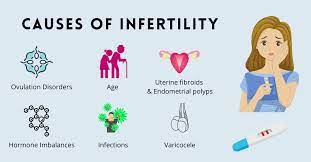
This encompasses various medical procedures aimed at helping individuals preserve their fertility before undergoing treatments that could affect reproductive capacity such as chemotherapy or surgeries involving reproductive organs.
- Indications : Young women diagnosed with cancers might pursue these options when faced with treatments threatening their fertility.
- Assessment Process : Fertility specialists typically conduct hormone testing alongside ultrasounds to evaluate ovarian reserve before deciding on suitable methods.
- Methods Available : Approaches include egg freezing (oocyte cryopreservation) or embryo freezing depending on personal circumstances and relationship status during treatment .
- Post-Procedure Expectations : Patients should anticipate emotional support throughout these processes as they navigate complex decisions surrounding reproduction post-treatment alongside comprehensive care coordination once completed.
The opportunity afforded by these preservation techniques empowers individuals towards family planning amid uncertain medical futures.
OVARIAN CYSTECTOMY
An ovarian cystectomy is a surgical procedure aimed at removing cysts from the ovaries while preserving healthy ovarian tissue. This approach helps alleviate symptoms associated with large or painful cysts without necessitating complete oophorectomy (ovary removal).
- Symptoms & Indicators: Women experiencing abdominal pain, bloating, or difficulty differentiating between cysts and tumors may be candidates for this procedure.
- Diagnosis Techniques: Ultrasound imaging plays a pivotal role in identifying cyst characteristics—size or complexity—which informs treatment decisions.
- Surgical Procedure Overview: The surgery can be performed laparoscopically or via open surgery based on cyst size or number; laparoscopic procedures usually result in less pain post-op and quicker recovery times.
- Expected Outcomes: After surgery, many women find symptom relief; however, regular follow-ups are essential for monitoring any potential recurrence of cysts over time.
The goal of an ovarian cystectomy is not only symptom alleviation but also safeguarding reproductive health for future pregnancies if desired.
ENDOMETRIAL ABLATION
This innovative procedure involves destroying the lining of the uterus (endometrium) to treat heavy menstrual bleeding. It is an excellent option for women who wish to avoid more invasive surgical procedures like hysterectomy.
- Indications: Heavy periods due to conditions like fibroids or hormonal imbalance can lead women to seek this treatment as an alternative solution.
- Diagnosis Process: Doctors recommend transvaginal ultrasounds and endometrial biopsies to assess potential causes of abnormal bleeding prior to ablation.
- Treatment Methods: Techniques include thermal ablation, cryoablation, or using radiofrequency energy; each aims at achieving similar results while catering to individual needs.
- Recovery Timeline: Most patients return home on the same day and can expect mild cramping but generally experience less postoperative pain than traditional surgeries.
This method effectively minimizes menstrual flow and enhances quality of life without requiring lengthy recovery periods associated with major surgery.
CERVICAL CERCLAGE
Cervical cerclage is a supportive procedure often recommended for women experiencing cervical insufficiency during pregnancy. By placing a stitch around the cervix, this technique helps prevent premature birth by keeping the cervix closed.
- Symptoms & Causes: Women who have had previous preterm births or certain cervical conditions may require this intervention.
- How It's Diagnosed: Diagnosis often includes ultrasound evaluations and assessments of cervical length during routine checkups to determine risk factors.
- Treatment Approach: The cerclage is usually placed between weeks 12 and 14 of pregnancy; it may be removed once the pregnancy reaches full term or if complications arise.
- Expectations Post-Procedure: Most women can continue with regular prenatal care after the procedure; however, some precautionary measures will be advised during follow-up visits.
This procedure offers critical support in maintaining pregnancy viability for at-risk mothers-to-be.
LAPAROSCOPIC HYSTERECTOMY
Laparoscopic hysterectomy is a minimally invasive surgical procedure that involves the removal of the uterus through small incisions in the abdomen. This method significantly reduces recovery time and postoperative discomfort compared to traditional open surgery.
- Symptoms: Common symptoms that may indicate a need for this surgery include excessive menstrual bleeding, persistent pelvic pain, and uterine fibroids.
- Diagnosis: Physicians typically utilize pelvic examinations, imaging tests such as ultrasounds, or MRIs to confirm the necessity for surgery.
- Treatment Options: The procedure can be performed using different techniques, including laparoscopic and robotic-assisted methods, depending on the patient's condition.
- What to Expect: Patients can anticipate a shorter hospital stay and quicker return to normal activities, along with reduced scarring due to smaller incisions.
Overall, laparoscopic hysterectomy presents an effective solution for various gynecological conditions while promoting faster recovery.