
Dr Prem Mehta
About Me
Dr Prem Mehta
MBBS
General Physician
Biography
My Clinic
OPD Hours
| Monday | Morning | 10:00 AM | - | 02:00 PM |
| Evening | 06:00 PM | - | 09:00 PM | |
| Tuesday | Morning | 10:00 AM | - | 02:00 PM |
| Evening | 06:00 PM | - | 09:00 PM | |
| Wednesday | Morning | 10:00 AM | - | 02:00 PM |
| Evening | 06:00 PM | - | 09:00 PM | |
| Thursday | Morning | 10:00 AM | - | 02:00 PM |
| Evening | 06:00 PM | - | 09:00 PM | |
| Friday | Morning | 10:00 AM | - | 02:00 PM |
| Evening | 06:00 PM | - | 09:00 PM | |
| Saturday | Morning | 10:00 AM | - | 02:00 PM |
| Evening | 06:00 PM | - | 09:00 PM | |
| Sunday | Morning | 10:00 AM | - | 02:00 PM |
| Evening | 06:00 PM | - | 09:00 PM |
Treatments
Specialised care and treatments offered
GASTROESOPHAGEAL REFLUX DISEASE (GERD) MANAGEMENT
This condition arises when stomach acid frequently flows back into the esophagus causing irritation. Understanding GERD is key for effective symptom relief and enhanced quality of life management strategies can be implemented accordingly!
- Typical Symptoms Include: Heartburn along with regurgitation seen predominantly after meals accompanied sometimes by chest pain affecting many who suffer from this disorder regularly influencing daily activities negatively < l i >< s trong>Potential Causes Encompass: < span style='color:red;'> Obesity, pregnancy factors influencing hormones creating relaxed sphincter muscle capabilities alongside consumption patterns comprising rich spicy foods contributing greatly
ALLERGY TESTING

The identification and management of allergies through testing are essential components for those experiencing recurrent allergic reactions. Timely diagnosis aids in establishing effective preventive measures against allergens encountered in daily life.
- Symptoms Of Allergies: Reactions could range from sneezing or itching skin rashes up till potentially severe cases resulting in anaphylaxis depending upon allergen exposure level.
- Testing Procedures: Skin prick tests alongside blood tests help pinpoint specific allergens triggering unpleasant responses effectively aiding targeted avoidance strategies developed thereafter.
- Long-Term Management Options: Current treatments focus mainly towards either symptom alleviation through antihistamines available over-the-counter whilst immunotherapy could provide gradual desensitization through controlled dosing protocols issued under supervised care settings.
- What To Expect: The results from allergy tests enable personalized approaches tailored specifically according patients' reactions fostering enhanced comfort levels within environments prone towards certain allergens encountered regularly.
Allergy testing serves as an empowering tool allowing affected individuals take charge over their condition while enhancing overall quality life enabled by informed choices regarding environmental interactions undertaken thereby reducing risks posed by allergic responses encountered daily!
ROUTINE HEALTH CHECK-UP

A routine health check-up plays a crucial role in preventive healthcare by identifying potential health risks before they develop into serious issues. Regular assessments empower individuals with knowledge about their health status.
- Covers Comprehensive Tests: These examinations typically include checks on blood pressure, cholesterol levels, glucose readings among others necessary for evaluating overall wellness.
ASTHMA MANAGEMENT
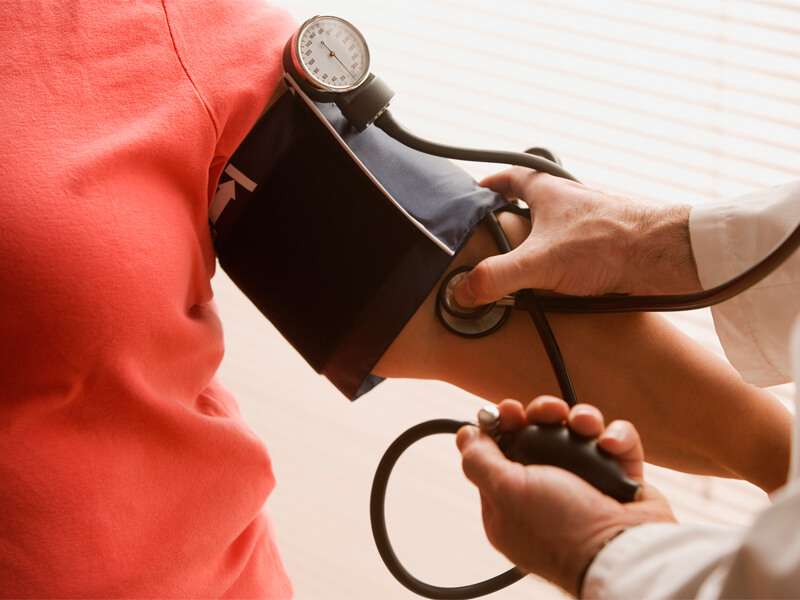
Asthma is a chronic respiratory condition characterized by inflammation of the airways which can cause difficulty in breathing. Effective management is necessary for maintaining a healthy lifestyle.
- Symptoms: Common symptoms include wheezing, coughing, shortness of breath, and chest tightness that can vary in intensity over time.
- Triggers: Allergens such as dust mites or pollen along with smoke or exercise may act as triggers that exacerbate asthma symptoms.
- Treatment Options: Inhalers are commonly used for immediate relief; long-term control medications may also be prescribed based on individual needs.
- Description Diagnosis Methods: Healthcare professionals utilize lung function tests alongside patient history assessments to establish diagnosis accurately.
A comprehensive action plan tailored to each individual's needs enables patients with asthma to lead active lives while minimizing flare-ups through proper adherence to treatment regimens.
DIABETES SCREENING

Diabetes screening is vital for early detection of this chronic disease. Recognizing risk factors and understanding the need for regular checks can make a significant difference in managing one's health.
- Symptoms: Increased thirst, frequent urination, fatigue, and blurred vision are common signs that may indicate diabetes.
- Risk Factors: Family history, obesity, an inactive lifestyle, and age increase the likelihood of developing diabetes.
- Diagnosis: Blood tests measuring glucose levels are conducted during screenings to determine if diabetes is present.
- Treatment Options: Depending on diagnosis, management may include lifestyle changes such as improved diet and increased physical activity or medication like insulin therapy.
- Hello Expectations: Early intervention can lead to better outcomes; therefore, regular screenings are encouraged even when symptoms are not present.
A proactive approach towards diabetes can prevent complications and maintain overall well-being through informed decisions regarding health management.
HYPERTENSION MANAGEMENT

Hypertension, commonly known as high blood pressure, is a chronic condition that can lead to serious health issues if not properly managed. Understanding the factors influencing this condition is essential for effective control.
- Symptoms: Many individuals may experience headaches, dizziness, or nosebleeds, but often there are no noticeable symptoms.
- Causes: Factors such as genetics, diet high in sodium, obesity, and lack of physical activity contribute to elevated blood pressure.
- Diagnosis: Blood pressure readings taken during routine check-ups help in identifying hypertension. Additional tests may be performed to determine underlying conditions.
- Treatment Options: Lifestyle changes including diet modifications and regular exercise are fundamental. Medications may also be prescribed to manage cholesterol levels and lower blood pressure effectively.
- What to Expect: Regular monitoring and adjustments to treatment plans ensure effective management. Patients will work closely with healthcare providers for optimal results.
Managing hypertension is crucial for long-term health. By adhering to treatment plans and lifestyle changes, individuals can significantly improve their quality of life.