
DR PREM PRAKASH
About Me
DR PREM PRAKASH
ENDOCRINOLOGIST
Biography
My Clinic
OPD Hours
| Monday | Morning | 10:00 AM | - | 02:00 PM |
| Evening | 06:00 PM | - | 09:00 PM | |
| Tuesday | Morning | 10:00 AM | - | 02:00 PM |
| Evening | 06:00 PM | - | 09:00 PM | |
| Wednesday | Morning | 10:00 AM | - | 02:00 PM |
| Evening | 06:00 PM | - | 09:00 PM | |
| Thursday | Morning | 10:00 AM | - | 02:00 PM |
| Evening | 06:00 PM | - | 09:00 PM | |
| Friday | Morning | 10:00 AM | - | 02:00 PM |
| Evening | 06:00 PM | - | 09:00 PM | |
| Saturday | Morning | 10:00 AM | - | 02:00 PM |
| Evening | 06:00 PM | - | 09:00 PM | |
| Sunday | Morning | 10:00 AM | - | 02:00 PM |
| Evening | 06:00 PM | - | 09:00 PM |
Treatments
Specialised care and treatments offered
POLYCYSTIC OVARY SYNDROME (PCOS)
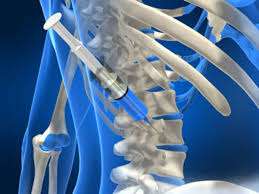
This common endocrine disorder affects women's reproductive hormones leading frequently toward ovulatory dysfunction or infertility concerns. Understanding PCOS helps improve management strategies significantly!
- Symptoms : Irregular menstrual cycles along with excess hair growth (hirsutism), acne breakouts highlight potential PCOS development that need addressing urgently .
- Diagnostic Criteria : Medical evaluation assessing hormone levels combined with imaging studies (like ultrasounds ) confirms PCOS diagnosis effectively .
- Management Approaches : Weight management through dietary modifications & exercise enhancements often aid symptom relief; medications targeting hormonal regulation also show promise .
- Expected Outcomes : While the journey may differ per individual , commitment towards healthy habits greatly improves menstrual regularity along fertility prospects over time!
Proactive support combined with education surrounding self-management techniques empowers patients struggling against PCOS daily!
OSTEOPOROSIS PREVENTION

The condition known as osteoporosis leads to weakened bones that are more prone to fractures. Awareness about bone health is key in preventing this silent disease from progressing unchecked.
- Risk Factors: Age, gender (more common in women), family history contribute significantly to the likelihood of developing osteoporosis over time.
HORMONAL IMBALANCES

Hormonal imbalances can lead to various health issues ranging from menstrual irregularities to unexplained weight fluctuations. Identifying the underlying cause is essential for effective treatment.
- Symptoms: Mood changes, fatigue, acne flare-ups or hair loss may signify hormonal disruptions that need attention.
- Diagnostic Tests: Hormone level assessments through blood testing provide insight into potential imbalances that could affect overall well-being.
- Treatment Options Available: Depending on the specific imbalance identified, treatment may involve lifestyle adjustments or hormone therapy tailored to individual needs.
- Expectations During Treatment: Improvement can take time; close monitoring enhances treatment efficacy while adjusting based on patient response is critical.
A holistic focus on lifestyle alongside medical interventions aids in restoring balance to hormones effectively over time.
METABOLIC SYNDROME

This syndrome encompasses a cluster of conditions that increase the risk of heart disease, stroke, and diabetes. Recognizing metabolic syndrome early can prevent serious health complications.
- Main Symptoms: Increased waist circumference, elevated blood pressure, high triglyceride levels, low HDL cholesterol are key indicators.
- Diagnosis Criteria: A thorough evaluation considering several health markers is used to diagnose metabolic syndrome effectively.
- Treatment Strategies: Lifestyle changes such as improved diet, physical activity, weight management are vital for reducing risk factors associated with this syndrome.
- Follow-Up Care: Continuous monitoring encourages adherence to lifestyle changes while assessing improvements in health metrics like cholesterol levels and blood pressure.
An integrated approach involving dietary counseling and exercise programs plays a crucial role in managing metabolic syndrome successfully.
THYROID DISORDERS

Thyroid disorders can significantly impact metabolism and overall health. Conditions such as hypothyroidism and hyperthyroidism affect hormone production by the thyroid gland.
- Common Symptoms: Unexplained weight gain or loss, changes in energy levels, and mood swings might indicate an underlying thyroid issue.
- Diagnosis Methods: Blood tests measuring TSH, T3, and T4 levels help diagnose thyroid function accurately.
- Treatment Approaches: Treatment may include hormone replacement therapy for hypothyroidism or medications to manage hyperthyroidism symptoms.
- Management Tips: Regular monitoring of thyroid levels ensures optimal treatment adjustments as needed based on individual responses.
Understanding symptoms early can lead to timely diagnosis and effective management strategies for better health outcomes.
DIABETES MANAGEMENT

Managing diabetes requires a comprehensive approach that focuses on maintaining blood sugar levels within a target range. Both Type 1 and Type 2 diabetes present unique challenges and understanding these can lead to better management of the condition.
- Symptoms: Frequent urination, increased thirst, and fatigue are common signs of diabetes.
- Diagnosis: Blood tests such as fasting blood glucose and HbA1c are essential to determine glucose control over time.
- Treatment Options: Lifestyle modifications including diet and regular exercise, along with medications or insulin therapy if necessary, help manage blood sugar levels.
- What to Expect: Regular monitoring of blood glucose levels and consistent communication with healthcare providers is crucial for effective management.
A proactive approach coupled with patient education can significantly enhance quality of life for individuals managing diabetes.