
Dr Premratan Dega
About Me
Dr Premratan Dega
Cardiologist
Biography
My Clinic
OPD Hours
| Monday | Morning | 10:00 AM | - | 02:00 PM |
| Evening | 06:00 PM | - | 09:00 PM | |
| Tuesday | Morning | 10:00 AM | - | 02:00 PM |
| Evening | 06:00 PM | - | 09:00 PM | |
| Wednesday | Morning | 10:00 AM | - | 02:00 PM |
| Evening | 06:00 PM | - | 09:00 PM | |
| Thursday | Morning | 10:00 AM | - | 02:00 PM |
| Evening | 06:00 PM | - | 09:00 PM | |
| Friday | Morning | 10:00 AM | - | 02:00 PM |
| Evening | 06:00 PM | - | 09:00 PM | |
| Saturday | Morning | 10:00 AM | - | 02:00 PM |
| Evening | 06:00 PM | - | 09:00 PM | |
| Sunday | Morning | 10:00 AM | - | 02:00 PM |
| Evening | 06:00 PM | - | 09:00 PM |
Treatments
Specialised care and treatments offered
PERIPHERAL ARTERY DISEASE

Peripheral artery disease (PAD) results when fatty deposits narrow arteries outside the heart and brain. As a form of atherosclerosis affecting limb circulation exclusively usually presents significant risks for those afflicted with it leading eventually into severe complications if untreated.
- Symptoms : Individuals may experience leg pain during activities like walking that tends temporarily alleviate at rest termed claudication alongside possible skin color changes.
- Diagnostic Evaluation : PAD evaluation typically utilizes ankle-brachial index testing alongside imaging studies for confirmation while simultaneously ruling out other causes related pertaining limb discomfort directly. / ul
Timely recognition followed through effective management techniques minimizes serious outcomes ultimately improving overall quality based upon identifying this condition accurately at early stages accordingly! < / p
HYPERTENSION
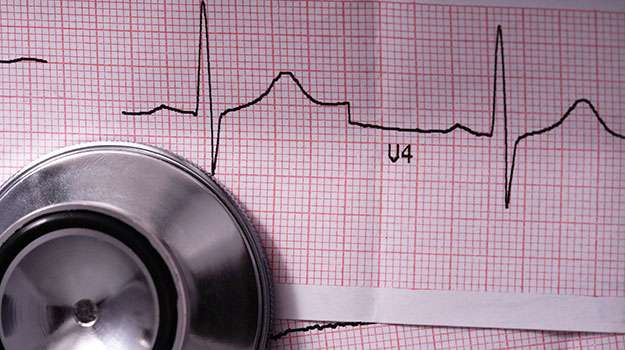
Hypertension, often referred to as high blood pressure, poses significant health risks if left uncontrolled. It forces the heart to work harder and contributes towards the risk for conditions like stroke and kidney disease over time.
- Symptoms : Often called a 'silent killer', hypertension frequently presents with no obvious symptoms until severe health issues arise.
- Diagnostics : Blood pressure readings taken during routine check-ups are standard; additional assessments might be necessary if readings indicate worry.
- Treatment Options : First-line treatments include lifestyle modifications complemented by antihypertensive medications tailored for optimal management based on individual health profiles.
Adjusting day-to-day choices proves crucial in helping maintain healthy blood pressure levels for an improved quality of life long-term.
CORONARY ARTERY DISEASE
Coronary artery disease (CAD) develops when the coronary arteries become narrowed due to plaque buildup. This condition restricts blood flow to the heart muscle itself, which can lead to serious complications including angina or myocardial infarction.
- Symptoms: Individuals might experience chest pain during exertion or stress; however, some may be asymptomatic until a severe event occurs.
- Diagnostic Methods: Diagnosis often involves stress tests combined with imaging techniques such as angiography for visualization of arterial blockages.
- Treatment Strategies: Management strategies range from lifestyle interventions initially but may progress to medications like statins or surgical procedures such as bypass grafting in advanced cases.
- Lifestyle Changes : A critical aspect of managing CAD includes adopting heart-healthy habits like dietary improvements and regular physical activity.
Quick intervention upon diagnosis can profoundly impact patient outcomes over time.
HEART FAILURE
Heart failure represents a serious condition where the heart cannot pump sufficient blood to meet the body's demands. This progressive disease can result from various underlying problems such as high blood pressure or coronary artery disease.
- Symptoms: Typical symptoms include persistent cough, fatigue, loss of appetite, and leg swelling due to fluid retention.
- Diagnostic Tests: Diagnosing heart failure usually involves echocardiograms along with blood tests and physical examinations to assess overall function.
- Treatment Approaches: Treatment typically includes medications such as ACE inhibitors and diuretics alongside lifestyle modifications like dietary changes and exercise.
Effective management is vital for improving living standards and longevity in affected individuals by adhering closely to treatment plans.
ATRIAL FIBRILLATION
Atrial fibrillation (AFib) is an irregular heartbeat that can lead to various complications, including stroke. It arises from disorganized electrical signals in the heart's upper chambers, causing them to quiver instead of contracting effectively.
- Symptoms: Common symptoms include palpitations, fatigue, dizziness, or even chest discomfort.
- Diagnosis: AFib is diagnosed using an ECG and often confirmed with prolonged monitoring devices like Holter monitors.
- Treatment Options: Treatment may involve anticoagulants to prevent stroke risk and medications or procedures like cardioversion to restore normal rhythm.
- Ongoing Management: Long-term management focuses on controlling heart rate and preventing complications through lifestyle adjustments and regular check-ups.
Patients should remain vigilant about their symptoms as timely intervention can significantly influence their quality of life.
ACUTE MYOCARDIAL INFARCTION
Acute myocardial infarction, commonly known as a heart attack, occurs when blood flow to a part of the heart is blocked, leading to damage or death of heart muscle. This sudden event can be life-threatening and requires immediate medical attention.
- Symptoms: Patients may experience chest pain, shortness of breath, sweating, or nausea.
- Diagnosis: Diagnosis is typically confirmed through an electrocardiogram (ECG) and blood tests to check for cardiac markers.
- Treatment: Initial treatment often involves medications to dissolve clots, followed by interventions such as angioplasty or bypass surgery if required.
- Management: Post-event management includes lifestyle changes and medications to reduce risk factors, such as statins and beta-blockers.
- Recovery Expectation: Recovery varies; some patients may return to normal activities in weeks while others require extensive rehabilitation.
Recognizing the signs early can substantially improve outcomes, making awareness critical.