
Dr Priti Desai
About Me
Dr Priti Desai
Internal Medicine
Biography
My Clinic
OPD Hours
| Tuesday | Morning | 10:00 AM | - | 02:00 PM |
| Evening | 06:00 PM | - | 09:00 PM | |
| Wednesday | Morning | 10:00 AM | - | 02:00 PM |
| Evening | 06:00 PM | - | 09:00 PM | |
| Thursday | Morning | 10:00 AM | - | 02:00 PM |
| Evening | 06:00 PM | - | 09:00 PM | |
| Friday | Morning | 10:00 AM | - | 02:00 PM |
| Evening | 06:00 PM | - | 09:00 PM | |
| Saturday | Morning | 10:00 AM | - | 02:00 PM |
| Evening | 06:00 PM | - | 09:00 PM | |
| Sunday | Morning | 10:00 AM | - | 02:00 PM |
| Evening | 06:00 PM | - | 09:00 PM | |
| Thursday | Morning | 10:00 AM | - | 02:00 PM |
| Evening | 06:00 PM | - | 09:00 PM |
Treatments
Specialised care and treatments offered
GASTROESOPHAGEAL REFLUX DISEASE (GERD)
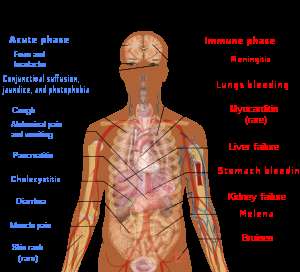
GERD is a digestive disorder where stomach acid frequently flows back into the esophagus causing irritation. This reflux can lead not only to discomfort but also complications if not treated adequately over time.
- The most common symptom includes persistent heartburn after meals coupled with regurgitation;
- Factors contributing involve obesity , smoking habits , overeating , or consuming spicy foods ;
- Diagnosis usually entails patient history reviews alongside endoscopic examinations when necessary;
- Treatment strategies generally consist of lifestyle modifications including weight loss paired with proton pump inhibitors for symptom relief ;
Managing GERD effectively requires understanding triggers while committing toward both dietary adjustments enhancing long-term outcomes positively .
ANEMIA
Anemia is a condition marked by a deficiency of red blood cells or hemoglobin in the blood resulting in reduced oxygen transport throughout the body. It can present itself due to various underlying health issues or deficiencies in nutrients like iron or vitamin B12.
- Common symptoms include fatigue, weakness, pale skin, and sometimes shortness of breath during exertion.
- The causes vary widely from nutritional deficiencies to chronic diseases such as kidney disease or bone marrow disorders affecting red cell production;
- A comprehensive hematological evaluation aids diagnosis alongside assessments of iron stores through serum ferritin levels among other tests performed based on suspected causes;
- Treatment plans may encompass dietary adjustments rich in iron or vitamin B12 combined with supplements while identifying and managing any underlying conditions contributing to anemia;
Addressing anemia early on is crucial for restoring vitality and preventing complications related to inadequate oxygen supply across organs effectively.
CHRONIC OBSTRUCTIVE PULMONARY DISEASE (COPD)
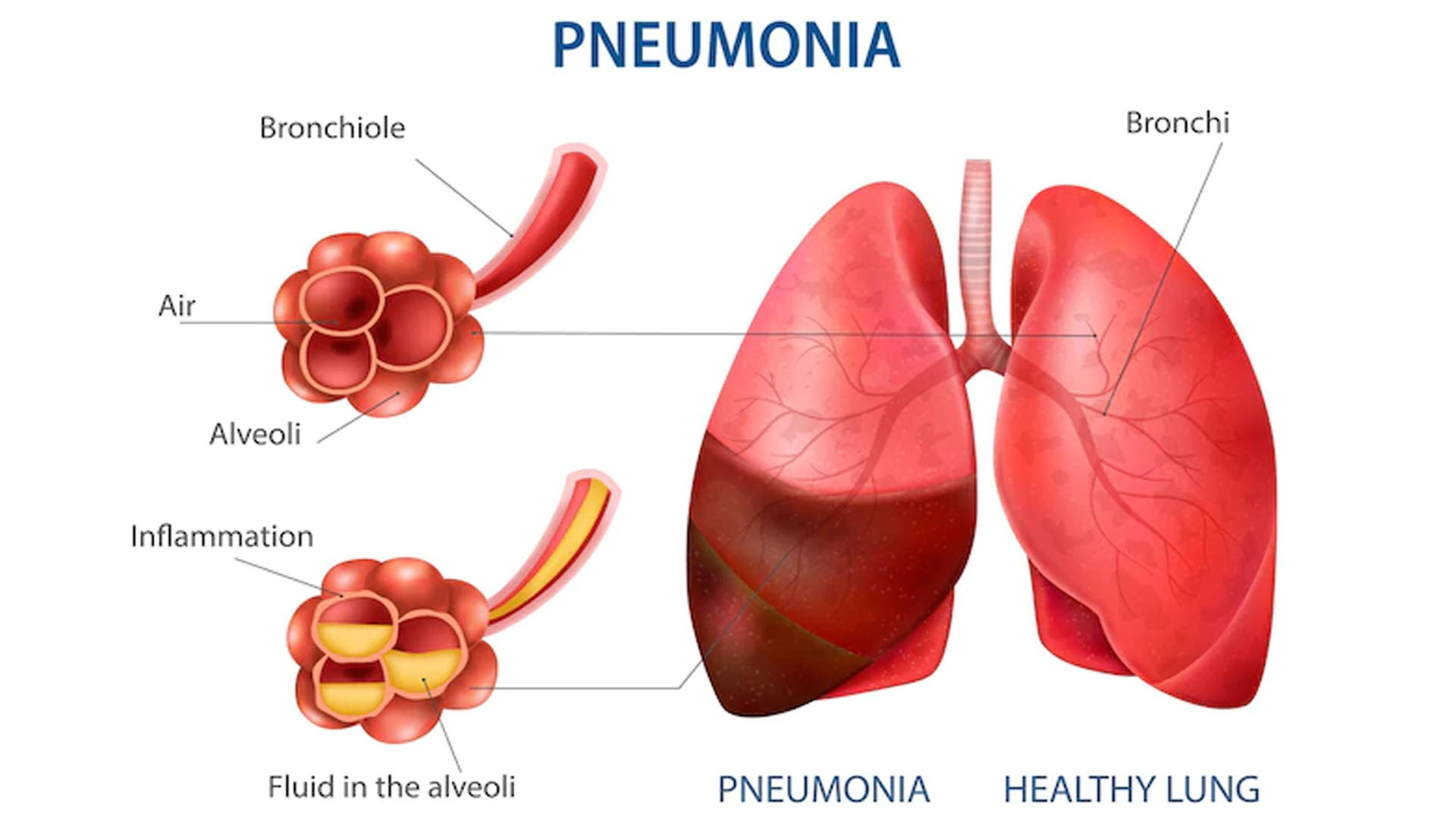
COPD is a progressive lung disease characterized by increasing breathlessness. It comprises conditions such as emphysema and chronic bronchitis, which mostly stem from long-term exposure to harmful substances like tobacco smoke or pollutants.
- Patients may experience symptoms like chronic cough with mucus production, wheezing, and difficulty breathing during exertion.
- The primary cause is smoking; however, long-term exposure to air pollutants can also contribute significantly to developing COPD.
- A thorough clinical evaluation including spirometry helps confirm the diagnosis by measuring airflow limitation in the lungs.
- Treatment options focus on relieving symptoms through bronchodilators or corticosteroids alongside pulmonary rehabilitation programs aimed at improving quality of life.
COPD management encourages ongoing support for smoking cessation while enhancing the patient's ability to engage in daily activities comfortably.
HYPERLIPIDEMIA
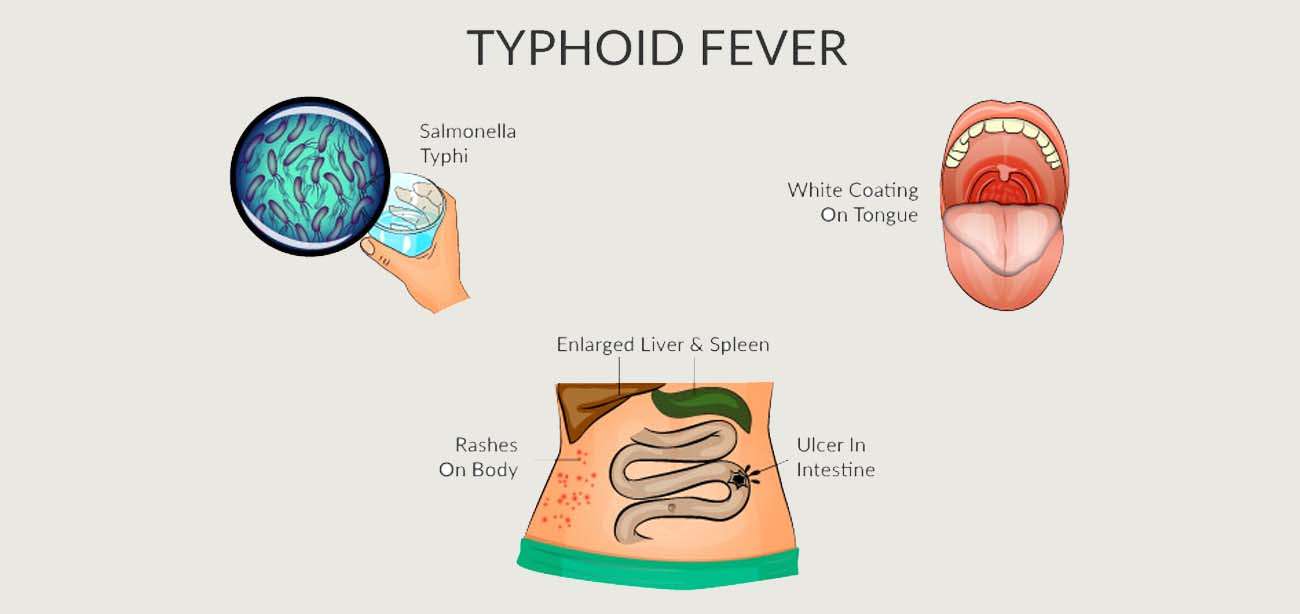
Hyperlipidemia refers to elevated levels of lipids (fats) in the bloodstream, including cholesterol and triglycerides. It is a significant risk factor for cardiovascular diseases if not addressed properly.
- This condition often does not cause noticeable symptoms but can lead to serious effects such as heart attack or stroke over time.
- The causes can range from genetic predisposition to poor dietary habits or sedentary lifestyle choices.
- A diagnosis typically involves lipid profile testing to measure cholesterol levels along with possible additional assessments based on risk factors.
- Treatment may involve lifestyle alterations like diet changes rich in omega-3 fatty acids combined with statin medications if necessary.
Management focuses on lowering lipid levels to minimize cardiovascular risks while promoting overall heart health through sustainable lifestyle practices.
DIABETES MELLITUS
Diabetes Mellitus encompasses a group of metabolic disorders characterized by high blood sugar levels over a prolonged period. This chronic condition can affect various body systems if not managed appropriately.
- The main types include Type 1 Diabetes (autoimmune) and Type 2 Diabetes (associated with insulin resistance).
- Common symptoms include frequent urination, increased thirst, and fatigue.
- Diagnosis is made through blood tests that check glucose levels and an HbA1c test to assess average blood glucose over time.
- Treatment often involves dietary management, regular physical activity, monitoring blood sugar levels, and possibly insulin therapy for some patients.
An individualized care plan is vital for effective management of diabetes and preventing potential complications like neuropathy or cardiovascular diseases.
HYPERTENSION
Hypertension, also known as high blood pressure, is a common yet serious condition that occurs when the force of blood against the artery walls is consistently too high. This condition can lead to severe health complications if left untreated.
- Symptoms may include headaches, shortness of breath, and nosebleeds, but often there are no apparent symptoms.
- Causative factors include genetics, obesity, physical inactivity, and high salt intake.
- Diagnosis typically involves measuring blood pressure using a sphygmomanometer in conjunction with other tests such as blood tests and urine analysis.
- Treatment options range from lifestyle changes like diet modifications and exercise to medications such as diuretics or ACE inhibitors.
- Regular monitoring is essential to manage the condition effectively and reduce the risk of heart disease or stroke.
Maintaining a healthy lifestyle plays a crucial role in managing hypertension and preventing further complications.