
Dr Priti Panchal
About Me
Dr Priti Panchal
MD
General Physician
25 Years Experience
Biography
My Clinic
OPD Hours
| Monday | Morning | 09:00 AM | ||
| Evening | 09:00 PM | |||
| Tuesday | Morning | 09:00 AM | ||
| Evening | 09:00 PM | |||
| Wednesday | Morning | 09:00 AM | ||
| Evening | 09:00 PM | |||
| Thursday | Morning | 09:00 AM | ||
| Evening | 09:00 PM |
Treatments
Specialised care and treatments offered
PREVENTIVE HEALTH SCREENINGS
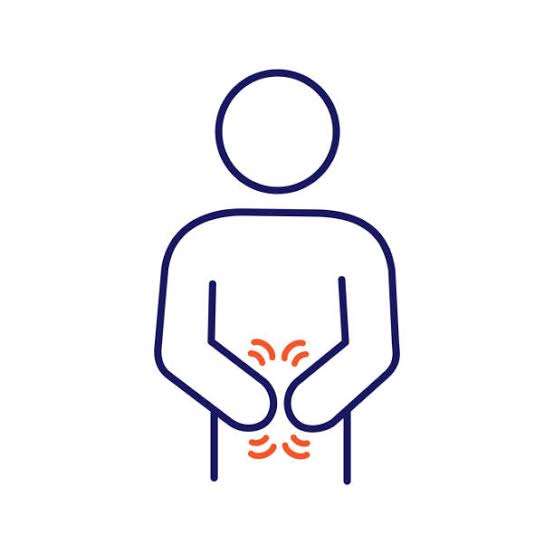
Preventive health screenings are critical tools used in identifying potential health issues before they become serious concerns. Regular check-ups enable early detection which greatly influences treatment outcomes across various age groups from childhood through adulthood!
- Mental wellness assessments along with physical examinations form baseline data helping determine if further testing might be needed later down line
- Common screenings conducted include cholesterol checks breast exams prostate specific antigen (PSA) testing fecal occult blood tests just name few examples helping catch diseases earlier than conventional symptomatic approaches would allow otherwise
- Depending upon demographic factors particular targeted evaluations could also assess risks based family history resulting eventually providing personalized preventative strategies decreasing overall burden significantly reducing healthcare costs long term
- Following up regularly ensures continuity between obtaining inquiries while building rapport offering peace-of-mind every step journey undertaken here
- Active engagement empowers individuals feeling more control leading healthier lifestyles promoting longevity thus tailoring these sessions accordingly encourages participation beyond initial visit
Investing time into preventive screenings pays dividends safeguarding our future potential promising brighter tomorrows without unnecessary fears looming overhead constantly!
ANEMIA

Anemia is a condition marked by insufficient healthy red blood cells to carry adequate oxygen throughout the body. It can result from various factors including poor diet or underlying health issues that affect red blood cell production or lifespan.
- Key symptoms often involve fatigue, weakness, pale skin coloring among others which might be mistaken for general tiredness initially
- Diagnosis usually relies on complete blood counts (CBC), which measure hemoglobin levels along with other parameters indicative of overall health status.
- Treatment focuses on iron supplementation alongside dietary adjustments filled with iron-rich foods like spinach & meat while addressing any underlying causes directly impacting red blood cells’ functionality.
- Regular follow-up appointments are essential to monitor improvements ensuring optimal recovery results overtime
- With proper care management most affected individuals see substantial positive changes towards their energy restoration processes again allowing them continued activities they enjoy continuously after they recover adequately from anemia related ailments
Early recognition & intervention play crucial roles determining faster resolutions resulting within manageable timelines benefiting those who struggle against this ailment significantly ultimately!
GASTROESOPHAGEAL REFLUX DISEASE (GERD)
Gastroesophageal Reflux Disease (GERD) occurs when stomach acid frequently flows back into the esophagus. This causes irritation that leads to uncomfortable symptoms affecting daily life quality if untreated.
- Common symptoms include persistent heartburn, regurgitation of food or sour liquid, difficulty swallowing, and chronic cough.
- A thorough evaluation can be made through endoscopy or pH monitoring for accurate diagnoses in chronic cases.
- Treatment options involve lifestyle changes like dieting habits alongside medications that reduce acid production or promote esophagus lining protection.
- Surgery may be considered in severe cases where other treatments fail to provide relief.
- Timely intervention can lead to significant improvement in quality of life as well as prevent further complications such as esophagitis.
Recognizing GERD symptoms early allows patients to seek appropriate treatment before more serious conditions arise.
RESPIRATORY INFECTIONS
Respiratory infections are common illnesses affecting the airways and lungs. They range from mild colds to severe pneumonia. Understanding their nature is vital for effective treatment and prevention.
- Symptoms often involve cough, sore throat, fever, and difficulty breathing depending on the severity of the infection.
- Diagnosis may include physical examinations and imaging tests like chest X-rays if necessary.
- Treatment usually involves rest, hydration, over-the-counter medications for symptom relief, or antibiotics when bacteria are involved.
- Avoiding smoking and practicing good hygiene can help prevent respiratory infections from occurring in the first place.
- If timely treated, most patients recover well without complications; however, prompt medical attention is necessary if symptoms worsen.
The right understanding of respiratory infections allows individuals to take proactive measures towards recovery and prevention of future occurrences.
DIABETES MELLITUS

Diabetes Mellitus encompasses a group of metabolic disorders characterized by high blood sugar levels. The body either doesn't produce enough insulin or cannot use it effectively, leading to various complications.
- Common symptoms include increased thirst, frequent urination, extreme fatigue, and blurred vision.
- Diagnosis typically requires fasting blood sugar tests or A1C tests that measure long-term glucose levels.
- Treatment includes dietary modifications, regular physical activity, and potentially insulin therapy or oral medications depending on the type of diabetes.
- Monitoring blood glucose levels regularly is critical for successful management.
- A proactive approach can help mitigate risks such as heart disease and nerve damage associated with uncontrolled diabetes.
If you suspect symptoms of diabetes or have risk factors, consult a healthcare provider for early evaluation and management options.
HYPERTENSION
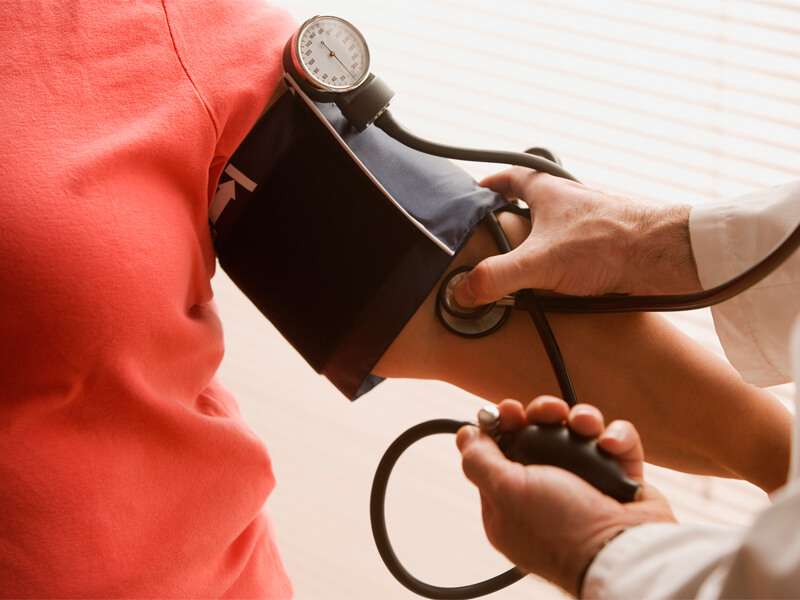
Hypertension, commonly known as high blood pressure, is a chronic condition that significantly increases the risk of heart disease and stroke. It often develops over many years and can lead to serious health issues if not managed properly.
- Symptoms may include headaches, shortness of breath, or nosebleeds, but many people feel fine and are unaware.
- Diagnosis often involves measuring blood pressure with a sphygmomanometer during routine check-ups.
- Treatment focuses on lifestyle changes such as diet and exercise, alongside medications if necessary.
- Regular monitoring is essential to manage the condition effectively.
- With proper management, individuals can expect to maintain healthy blood pressure levels and reduce the risk of complications.
Addressing hypertension early can lead to better long-term health outcomes, making it crucial for individuals to engage in regular check-ups.