Dr Priti Trivedi
About Me
Dr Priti Trivedi
Dermatologist
Biography
My Clinic
OPD Hours
| Tuesday | Morning | 10:00 AM | - | 02:00 PM |
| Evening | 06:00 PM | - | 09:00 PM | |
| Wednesday | Morning | 10:00 AM | - | 02:00 PM |
| Evening | 06:00 PM | - | 09:00 PM | |
| Thursday | Morning | 10:00 AM | - | 02:00 PM |
| Evening | 06:00 PM | - | 09:00 PM | |
| Friday | Morning | 10:00 AM | - | 02:00 PM |
| Evening | 06:00 PM | - | 09:00 PM | |
| Saturday | Morning | 10:00 AM | - | 02:00 PM |
| Evening | 06:00 PM | - | 09:00 PM | |
| Sunday | Morning | 10:00 AM | - | 02:00 PM |
| Evening | 06:00 PM | - | 09:00 PM | |
| Thursday | Morning | 10:00 AM | - | 02:00 PM |
| Evening | 06:00 PM | - | 09:00 PM |
Treatments
Specialised care and treatments offered
SKIN TAGS
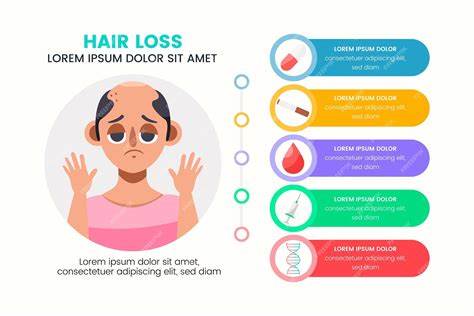
Skin tags are small growths that hang off the skin commonly found in areas where skin rubs against itself. They are usually harmless but can be bothersome cosmetically or physically if irritated by clothing or jewelry.
- Main characteristics: Skin tags appear as soft bumps that range from flesh-colored to brownish tones; they occur more frequently with age or weight gain.
WART REMOVAL
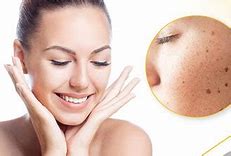
A benign growth caused by human papillomavirus (HPV) manifests as small lumps on the skin. Warts can appear anywhere but are often found on hands and feet.
- Presents as: Rough surfaces resembling cauliflower are characteristic of warts; they can be painful if located on pressure points like soles of feet.
- Differential diagnosis: Diagnosis typically involves a simple visual inspection; sometimes further tests are required to confirm HPV infection type.
- Treatment methods include: Options range from over-the-counter solutions to cryotherapy or laser removal depending on wart size and location.
The removal process is generally quick with minimal discomfort. Following treatment guidelines ensures effective healing while minimizing recurrence risk.
ECZEMA (ATOPIC DERMATITIS)
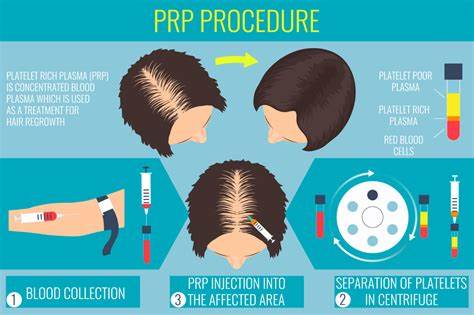
Eczema is a chronic inflammatory skin condition characterized by dry, itchy patches. It's most common in children but can persist into adulthood or arise later in life.
- Symptoms: Itchy red rashes often occur on the face, neck, inner elbows, or behind the knees.
- Diagnosis method: Diagnosing eczema involves assessing symptoms and family history; patch testing may help identify triggers.
- Treatment approaches: Moisturizers are crucial; corticosteroids or calcineurin inhibitors may be prescribed for flare-ups.
A proactive management plan helps patients reduce flare-ups and maintain healthy skin over time. Education about triggers is vital in ongoing care.
PSORIASIS
This chronic autoimmune condition leads to rapid skin cell growth resulting in scales and red patches that can be itchy and sometimes painful.
- Symptoms: Characteristic plaques on elbows, knees, scalp, and lower back are common signs of psoriasis.
- Diagnosis: A physical examination is typically sufficient for diagnosis; occasionally a biopsy may be performed.
- Treatment strategies: Options include topical therapies, phototherapy, and systemic medications tailored to severity.
- Causative factors: Triggers can include stress, infections, or certain medications which may exacerbate flare-ups.
A comprehensive approach to managing psoriasis helps alleviate symptoms and improve the quality of life for affected individuals.
ACNE SCARRING
Acne scarring is a common issue faced by individuals who have had severe acne. It occurs when the skin heals improperly after an inflammatory acne lesion.
- Symptoms: Raised, depressed, or discolored spots on the skin can indicate different types of scars.
- Diagnosis: Dermatologists evaluate the type and severity of scarring through visual examination and patient history.
- Treatment options: Techniques such as laser therapy, microdermabrasion, and chemical peels are effective in reducing scar appearance.
- Management: A combination of treatments may be recommended to achieve optimal results over time.
- Expectations: Results can take weeks to months, and multiple sessions may be necessary for significant improvement.
Understanding treatment options is essential for managing acne scars effectively, empowering patients to make informed decisions about their skin health.