
Dr Priyal Gala
About Me
Dr Priyal Gala
Dermatologist
Biography
My Clinic
OPD Hours
| Tuesday | Morning | 10:00 AM | - | 02:00 PM |
| Evening | 06:00 PM | - | 09:00 PM | |
| Wednesday | Morning | 10:00 AM | - | 02:00 PM |
| Evening | 06:00 PM | - | 09:00 PM | |
| Thursday | Morning | 10:00 AM | - | 02:00 PM |
| Evening | 06:00 PM | - | 09:00 PM | |
| Friday | Morning | 10:00 AM | - | 02:00 PM |
| Evening | 06:00 PM | - | 09:00 PM | |
| Saturday | Morning | 10:00 AM | - | 02:00 PM |
| Evening | 06:00 PM | - | 09:00 PM | |
| Sunday | Morning | 10:00 AM | - | 02:00 PM |
| Evening | 06:00 PM | - | 09:00 PM | |
| Thursday | Morning | 10:00 AM | - | 02:00 PM |
| Evening | 06:00 PM | - | 09:00 PM |
Treatments
Specialised care and treatments offered
ROSACEA
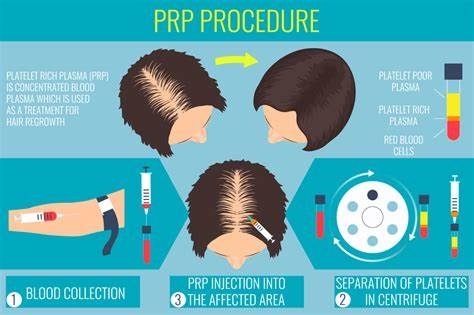
This chronic inflammatory skin disorder predominantly affects facial areas causing redness along cheeks nose forehead presenting challenges both physically emotionally managing day-to-day social interactions . Successful identification addressing triggers assists promoting healthier outcomes overall so education plays pivotal role here surrounding potential lifestyle adjustments prevent exacerbation episodes therefore enhancing overall well-being whilst minimizing stigma associated surrounding visible aspect affected thereby improving quality social interactions experienced vastly by many individuals worldwide diagnosed subsequently receiving support networks forming friendships shared understanding experiences alike!
SKIN INFECTIONS
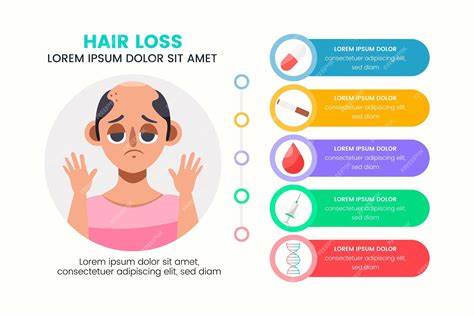
Skin infections often result from bacteria entering through broken skin. They may present acutely with varying severity depending on the type of infection involved—common examples include cellulitis or impetigo among others.
- The Treatment Options:
A qualified dermatologist will evaluate your infection before suggesting appropriate antibiotics — topical creams might suffice for mild infections whereas systemic treatment is essential for more serious cases. Most patients experience improvement shortly after beginning prescribed therapies if adhered to consistently including wound care practices where applicable .”“With diligent follow-ups following initial treatment course provides reassurance against recurrences.”
— Anonymous 2023
CONTACT DERMATITIS
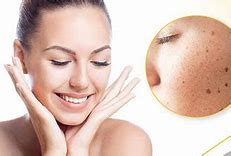
This condition arises from an allergic reaction or irritation involving direct contact with a substance. Symptoms typically manifest at the site of exposure but may spread depending on sensitivity levels.
- Symptoms: Commonly presents as red rash accompanied by blisters or dry scales wherever direct contact occurred with allergens or irritants like chemicals or plants.
- Causes : Identifying specific triggers such as metals (like nickel), fragrances in cosmetics , or certain plants (like poison ivy) helps prevent future outbreaks .
- Diagnosis : Diagnosis based largely on visual assessment; patch tests might assist in pinpointing allergens involved .
- Treatment options : Treatments involve avoiding known irritants , using topical steroids , antihistamines , cold compresses , ensuring proper hydration .
- What to expect : With prompt care , most reactions resolve quickly ; recurrence is minimized through trigger avoidance .
Catching this condition early ensures effective management of symptoms while preventing further irritation .
ECZEMA (ATOPIC DERMATITIS)
Eczema is a chronic skin condition that causes reddened and inflamed patches of skin. It primarily affects children but can persist into adulthood or appear later in life as well.
- Symptoms: Typical symptoms include dry, itchy skin which may develop into red rashes that ooze or crust over when scratched.
- Causes: Various factors such as allergens, irritants, and stress contribute to the onset or worsening of eczema episodes.
- Diagnosis: A dermatologist will evaluate your symptoms through physical examination; allergy testing may also help identify triggers.
- Treatment options: Management focuses on moisturizing agents, topical corticosteroids for flare-ups, antihistamines for itching relief, and avoiding known triggers.
- What to expect: Many patients find relief through consistent skincare routines while learning to manage flare-ups effectively over time.
An individualized approach facilitates better coping strategies for managing eczema's impact on daily life.
PSORIASIS
This chronic autoimmune condition results in the rapid growth of skin cells, leading to thickened patches of skin that can be itchy and painful. Psoriasis often has a cyclical nature with periods of flare-ups and remission.
- Symptoms: Red patches covered with thick silvery scales typically occur on the elbows, knees, scalp, and lower back.
- Causes: Environmental factors such as stress or infections can trigger flare-ups in genetically predisposed individuals.
- Diagnosis: Dermatologists usually diagnose psoriasis based on its appearance; sometimes a biopsy is necessary for confirmation.
- Treatment options: Treatments vary widely but may include topical steroids, phototherapy, or systemic medications for severe cases.
- What to expect: While there is no cure for psoriasis, effective management can significantly reduce symptoms and improve quality of life.
A comprehensive management plan tailored to individual needs can help control this condition.
ACNE VULGARIS
Acne vulgaris is a common skin condition affecting both adolescents and adults. It occurs when hair follicles become clogged with oil and dead skin cells, leading to inflammation and breakouts.
- Symptoms: Characterized by pimples, blackheads, and cysts, acne can vary in severity from mild to severe.
- Causes: Hormonal changes, genetics, and certain medications are primary contributors to acne development.
- Diagnosis: Diagnosis typically involves a physical examination of the skin; in some cases, additional lab tests may be needed to assess underlying issues.
- Treatment options: Management includes topical treatments (like benzoyl peroxide), oral antibiotics, or hormonal therapies for severe cases.
- What to expect: With appropriate treatment, many patients experience significant improvement within weeks; however, ongoing management may be necessary to maintain clear skin.
Recognizing early signs and seeking timely intervention can lead to better outcomes for those struggling with this condition.