
Dr Priyanka Shar
About Me
Dr Priyanka Shar
Dermatologist
Biography
My Clinic
OPD Hours
| Monday | Morning | 10:00 AM | - | 02:00 PM |
| Evening | 06:00 PM | - | 09:00 PM | |
| Tuesday | Morning | 10:00 AM | - | 02:00 PM |
| Evening | 06:00 PM | - | 09:00 PM | |
| Wednesday | Morning | 10:00 AM | - | 02:00 PM |
| Evening | 06:00 PM | - | 09:00 PM | |
| Thursday | Morning | 10:00 AM | - | 02:00 PM |
| Evening | 06:00 PM | - | 09:00 PM | |
| Friday | Morning | 10:00 AM | - | 02:00 PM |
| Evening | 06:00 PM | - | 09:00 PM | |
| Saturday | Morning | 10:00 AM | - | 02:00 PM |
| Evening | 06:00 PM | - | 09:00 PM | |
| Sunday | Morning | 10:00 AM | - | 02:00 PM |
| Evening | 06:00 PM | - | 09:00 PM |
Treatments
Specialised care and treatments offered
PSORIASIS TREATMENT
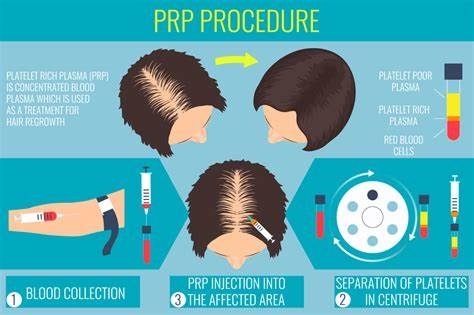
Psirosis is a chronic autoimmune condition characterized by rapid skin cell proliferation leading to thickened patches known as plaques. Effective management focuses on controlling symptoms while addressing the underlying immune response causing flare-ups.
- Symptoms: Common indications include red patches covered with silvery scales along with itching or discomfort experienced by patients during flare episodes.
- Diagnostic methods: Dermatologists diagnose psoriasis primarily through visual examination alongside patient history review regarding potential triggers such as stress or infections.
- Treatment options: Management may involve topical corticosteroids, phototherapy sessions using UV light exposure combined with systemic medications if needed based on severity assessments conducted regularly.
The aim of these strategies is not only symptom relief but also sustaining long-term remission periods where possible.
ACNE SCAR TREATMENT
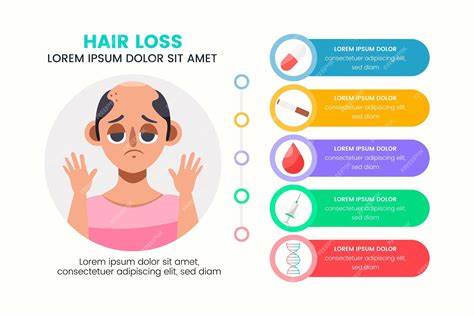
Treatment options for acne scars vary significantly based on scar type and severity. Understanding the underlying cause plays a crucial role in determining the most effective management strategy.
- Types of scars: Common types include atrophic (depressed) scars and hypertrophic (raised) scars resulting from past acne lesions.
- Diagnosis approach: An initial dermatologic evaluation establishes scar characteristics guiding tailored treatments ranging from topical therapies to surgical interventions.
- Management strategies: Options may include microneedling, laser therapy, or fillers depending on individual needs; combination techniques often yield optimal results.
Successful intervention can lead not only to aesthetic improvements but also increased confidence in affected individuals over time.
DERMAL FILLERS
Dermal fillers are injectable substances used to restore volume and fullness in facial areas. This minimally invasive treatment addresses wrinkles and sagging related to aging effectively.
- Candidates: Suitable for individuals experiencing volume loss in areas such as cheeks, lips, or nasolabial folds due to natural aging processes or lifestyle factors.
- Evaluation process: A dermatological consultation helps identify appropriate areas for treatment and filler types available—hyaluronic acid being one common choice.
With proper technique, dermal fillers can achieve natural-looking enhancements without significant downtime.
CHEMICAL PEELS
Chemical peels are cosmetic treatments that enhance skin appearance through exfoliation using chemical solutions. They target various skin concerns including acne scars, age spots, and pigmentation issues.
- Indications: Ideal for individuals looking to rejuvenate their skin texture or reduce signs of aging; patients often present with uneven tone or rough texture.
- Dermatological assessment: A thorough examination determines suitability based on skin type and concerns prior to selecting a peel strength—superficial, medium, or deep.
- Treatment process: The chosen solution is applied directly onto the skin which triggers controlled peeling; post-care instructions are crucial for optimal results.
The outcomes typically include smoother skin and improved complexion following adequate healing time.
MOHS MICROGRAPHIC SURGERY
This surgical technique is specifically tailored for the excision of skin cancers with precision. Mohs surgery allows for real-time examination of cancer margins to ensure complete removal while preserving healthy tissue.
- Symptoms/causes: It is commonly indicated for non-melanoma skin cancers, such as basal cell carcinoma, that occur due to sun exposure or genetic factors.
- Diagnosis: A biopsy confirms the presence of cancerous cells before planning the surgical procedure.
- Treatment management: Patients usually undergo the surgery under local anesthesia, followed by immediate microscopic evaluation of excised tissues.
- Outcomes: High cure rates are reported, and recovery typically involves manageable discomfort with follow-up care for healing.
This approach minimizes scarring while ensuring comprehensive removal of malignant cells.
LASER HAIR REMOVAL
Laser hair removal is a widely used procedure aimed at reducing unwanted hair growth. Utilizing concentrated light beams, this treatment targets hair follicles, leading to significant reduction in hair density and regrowth.
- Symptoms/causes: Patients seeking this treatment often find traditional methods like shaving and waxing unsatisfactory due to irritation and time consumption.
- How diagnosed: A consultation is typically required to assess skin type and hair characteristics for safe application.
- Treatment options: Various laser technologies exist, including Alexandrite and Diode lasers, each suitable for different skin types and hair colors.
- What to expect: The procedure may cause mild discomfort but has minimal downtime; patients can resume normal activities shortly after treatment.
This method not only saves time but also provides a longer-lasting solution compared to conventional methods.