
Dr Priyanka Tanwa
About Me
Dr Priyanka Tanwa
MD
ENDOCRINOLOGIST
Biography
My Clinic
OPD Hours
| Monday | Morning | 10:00 AM | - | 02:00 PM |
| Evening | 06:00 PM | - | 09:00 PM | |
| Tuesday | Morning | 10:00 AM | - | 02:00 PM |
| Evening | 06:00 PM | - | 09:00 PM | |
| Wednesday | Morning | 10:00 AM | - | 02:00 PM |
| Evening | 06:00 PM | - | 09:00 PM | |
| Thursday | Morning | 10:00 AM | - | 02:00 PM |
| Evening | 06:00 PM | - | 09:00 PM | |
| Friday | Morning | 10:00 AM | - | 02:00 PM |
| Evening | 06:00 PM | - | 09:00 PM | |
| Saturday | Morning | 10:00 AM | - | 02:00 PM |
| Evening | 06:00 PM | - | 09:00 PM | |
| Sunday | Morning | 10:00 AM | - | 02:00 PM |
| Evening | 06:00 PM | - | 09:00 PM |
Treatments
Specialised care and treatments offered
ADRENAL INSUFFICIENCY
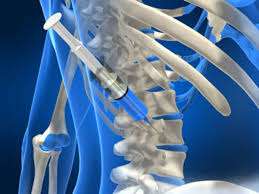
This condition arises when the adrenal glands do not produce enough hormones needed for vital bodily functions. Recognizing adrenal insufficiency early ensures timely intervention and management strategies are put in place.
- Symptoms : Common signs include extreme fatigue, muscle weakness, low blood pressure along with darkening skin patches in some cases.
- Diagnosis Steps : An ACTH stimulation test alongside blood retesting confirms adrenal functionality status accurately.
- Management Approaches : Treatment typically involves hormone replacement therapies designed specifically based on individual needs adjusting dosages accordingly while monitoring responses regularly.
Adjusting lifestyles while following prescribed medicinal regimens leads towards improved overall well-being enhancing life expectancy significantly too!
BONE DENSITY TESTING

Bones weaken over time due to age or certain health conditions leading to osteoporosis. Bone density testing helps assess bone strength and fracture risk, guiding preventive measures effectively.
- Risk Factors : Family history of osteoporosis, aging populations, sedentary lifestyle are all significant contributors leading towards lower bone density levels.
- Diagnosis : Dual-energy X-ray absorptiometry (DXA) scans are commonly used tests that evaluate bone mineral density precisely.
- Prevention Strategies : Taking calcium supplements along with vitamin D rich foods while maintaining an active lifestyle promotes stronger bones.
Timely testing provides valuable insights into bone health allowing doctors to devise personalized care plans aimed at reducing fracture risks.
POLYCYSTIC OVARY SYNDROME (PCOS)

Polycystic ovary syndrome (PCOS) is a hormonal disorder common among women of reproductive age that can lead to various symptoms including irregular periods and infertility. Understanding PCOS is key for effective management.
- Symptoms: Signs like menstrual irregularities, excessive hair growth (hirsutism), acne, and weight gain characterize PCOS.
- Diagnosis Techniques: Healthcare providers use ultrasound scans along with hormonal assessments to diagnose this condition accurately.
- Treatment Strategies: Lifestyle interventions like diet changes combined with medications can help regulate menstrual cycles and manage symptoms effectively.
OBESITY MANAGEMENT

Obesity is a complex health issue that significantly impacts overall health. It increases the risk for various diseases such as diabetes and cardiovascular conditions.
- Causes: Factors contributing to obesity include genetics, lifestyle choices, and environmental influences.
- Assessment: Body Mass Index (BMI) and waist circumference measurements can help determine obesity levels.
- Treatment Options: Weight loss may be achieved through dietary modifications, physical activity programs, or medical interventions, including medications or surgery in severe cases.
A comprehensive approach addressing both physical and psychological aspects is essential for successful obesity management.
THYROID DISORDERS

Thyroid disorders encompass conditions affecting the thyroid gland, including hypothyroidism and hyperthyroidism. These imbalances can cause profound metabolic effects that require medical attention.
- Symptoms: Fatigue, weight changes, and mood swings are often reported by those with thyroid issues.
- Diagnosis: Thyroid function tests measure hormone levels to assess gland performance.
- Treatment Approaches: Depending on the disorder, treatments may involve hormone replacement or anti-thyroid medications.
- Surgery Considerations: In some cases, surgical intervention may be necessary to remove nodules or part of the gland.
An accurate diagnosis followed by appropriate treatment can lead to a significant improvement in well-being for individuals with thyroid problems.
DIABETES MANAGEMENT

Diabetes is a chronic condition that affects how your body processes glucose, leading to high blood sugar levels. Effective management is crucial to prevent complications such as heart disease and nerve damage.
- Symptoms: Frequent urination, excessive thirst, and fatigue are common indicators of diabetes.
- Diagnosis: Blood tests like fasting plasma glucose or HbA1c help in confirming diabetes.
- Treatment Options: Managing diabetes can include lifestyle changes, medication, and insulin therapy.
- Self-Monitoring: Regular monitoring of blood sugar levels is essential for effective control and identifying patterns.
- Support Resources: Diabetes education programs provide valuable information for patients and their families.
Proper management of diabetes not only improves quality of life but also significantly lowers the risk of serious health problems.