
Dr Prof D S Ga
About Me
Dr Prof D S Ga
MBBS
Internal Medicine
10 Years Experience
Biography
My Clinic
OPD Hours
| Monday | Morning | 10:00 AM | - | 02:00 PM |
| Evening | 06:00 PM | - | 09:00 PM | |
| Tuesday | Morning | 10:00 AM | - | 02:00 PM |
| Evening | 06:00 PM | - | 09:00 PM | |
| Wednesday | Morning | 10:00 AM | - | 02:00 PM |
| Evening | 06:00 PM | - | 09:00 PM | |
| Thursday | Morning | 10:00 AM | - | 02:00 PM |
| Evening | 06:00 PM | - | 09:00 PM | |
| Friday | Morning | 10:00 AM | - | 02:00 PM |
| Evening | 06:00 PM | - | 09:00 PM | |
| Saturday | Morning | 10:00 AM | - | 02:00 PM |
| Evening | 06:00 PM | - | 09:00 PM | |
| Sunday | Morning | 10:00 AM | - | 02:00 PM |
| Evening | 06:00 PM | - | 09:00 PM |
Treatments
Specialised care and treatments offered
ANEMIA EVALUATION AND MANAGEMENT
Anemia occurs when your body lacks enough healthy red blood cells, leading to fatigue and other symptoms. Identifying the type helps guide appropriate treatment interventions effectively.
- The broad spectrum includes: nutritional deficiencies (iron, vitamin B12), chronic illness-related anemia among common types encountered internally managed conditions;
- Diagnostic tests involve complete blood counts paired with iron studies or vitamin assays based on suspected etiology;
- Management tailored to cause includes supplementation therapy plus addressing underlying disorders when identified;
- Clinical monitoring is important for evaluating response updating plan accordingly ensuring patient safety throughout recovery process;
An informed strategy offers reassurance along with symptom resolution helping patients regain energy levels alongside overall wellbeing improvement through careful supervision inside clinical settings.
GASTROESOPHAGEAL REFLUX DISEASE (GERD) CARE
This digestive disorder involves acid reflux causing discomfort that can affect quality of life. Proper evaluation allows for effective symptom control and prevention of complications.
- Causative factors include: Dysfunctional lower esophageal sphincter allowing stomach acid backflow into the esophagus triggered by certain foods or obesity.
- Diagnostic tools: Clinical history complemented by endoscopy if symptoms persist or worsen despite treatment.
- Treatment options consist of: Lifestyle adjustments such as avoiding trigger foods, elevating head while sleeping, antacids, H2 blockers, or proton pump inhibitors as prescribed medication regimens.
HYPERLIPIDEMIA TREATMENT
An elevated level of lipids in the bloodstream increases the risk of cardiovascular diseases. Addressing abnormal cholesterol is essential for heart health maintenance.
- The condition involves: High LDL (‘bad cholesterol’), low HDL (‘good cholesterol’), or elevated triglycerides due to diet or metabolic factors.
- Diagnosis methods: Lipid profile blood testing guides treatment decisions accurately.
- Treatment modalities: Dietary counseling emphasizing reduced saturated fats along with statins or other lipid-lowering agents when indicated.
- Lifestyle adaptations: Exercising regularly and weight management contribute significantly to lipid control efforts.
Persistent attention to lipid levels through medical supervision aids in preventing arterial plaque buildup thereby decreasing cardiac event risks over time.
CHRONIC OBSTRUCTIVE PULMONARY DISEASE (COPD) MANAGEMENT
COPD is a progressive lung disorder that causes breathing difficulties. Early intervention can help slow progression and enhance daily functioning.
- Main causes: Long-term exposure to irritants such as cigarette smoke is primary; genetic factors also contribute in some cases.
- Identification: Pulmonary function tests along with clinical evaluation aid in diagnosis.
- Treatment strategies: Smoking cessation support, bronchodilators via inhalers, corticosteroids for inflammation control.
- Patient care: Oxygen therapy and pulmonary rehabilitation may be recommended depending on severity.
A well-structured management plan focusing on symptom relief and preventing exacerbations is crucial for maintaining respiratory health in affected individuals.
TYPE 2 DIABETES MELLITUS CARE
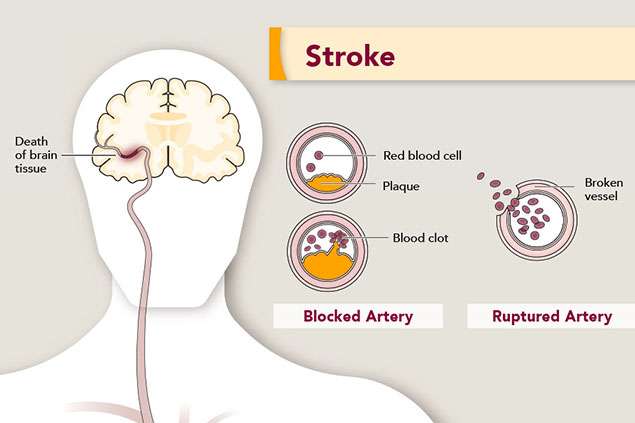
This chronic condition affects how your body metabolizes sugar and requires comprehensive care to prevent complications. Managing blood sugar effectively helps improve quality of life.
- Symptoms and causes: Increased thirst, frequent urination, fatigue; often related to insulin resistance linked with obesity and inactivity.
- Diagnosis: Blood tests including fasting glucose and HbA1c levels confirm diagnosis.
- Treatment approaches: Diet modification, regular physical activity, oral hypoglycemic agents or insulin therapy when necessary.
- Lifestyle support: Patient education on glucose monitoring and awareness of hypoglycemia signs.
A coordinated care plan focusing on medication adherence and lifestyle changes can effectively control blood sugar and reduce long-term risks like neuropathy or kidney disease.
HYPERTENSION MANAGEMENT
High blood pressure is a common condition that, if uncontrolled, can lead to serious health issues such as heart disease and stroke. Early detection and ongoing management are key to maintaining good health.
- Symptoms and causes: Often called a 'silent killer' because it may not present symptoms; factors include genetics, diet, stress, or lifestyle.
- Diagnosis: Regular blood pressure measurements using sphygmomanometers during clinical visits or at home monitoring.
- Treatment options: Lifestyle modifications (diet, exercise), pharmacological therapy with antihypertensive medications tailored individually.
- Monitoring: Periodic check-ups to assess treatment effectiveness and adjust medication accordingly.
With appropriate management and adherence to prescribed therapies, most patients achieve target blood pressure levels reducing the risk of complications significantly.