
Dr Prof U C Sam
About Me
Dr Prof U C Sam
DM
Cardiologist
10 Years Experience
Biography
My Clinic
OPD Hours
| Monday | Morning | 10:00 AM | - | 02:00 PM |
| Evening | 06:00 PM | - | 09:00 PM | |
| Tuesday | Morning | 10:00 AM | - | 02:00 PM |
| Evening | 06:00 PM | - | 09:00 PM | |
| Wednesday | Morning | 10:00 AM | - | 02:00 PM |
| Evening | 06:00 PM | - | 09:00 PM | |
| Thursday | Morning | 10:00 AM | - | 02:00 PM |
| Evening | 06:00 PM | - | 09:00 PM | |
| Friday | Morning | 10:00 AM | - | 02:00 PM |
| Evening | 06:00 PM | - | 09:00 PM | |
| Saturday | Morning | 10:00 AM | - | 02:00 PM |
| Evening | 06:00 PM | - | 09:00 PM | |
| Sunday | Morning | 10:00 AM | - | 02:00 PM |
| Evening | 06:00 PM | - | 09:00 PM |
Treatments
Specialised care and treatments offered
PERICARDITIS

This inflammation around the heart membrane creates discomfort but understanding it allows patients better insight into their symptoms! Symptoms vary widely yet can impact daily activities significantly warranting attention from healthcare professionals immediately upon onset!
HYPERTENSION
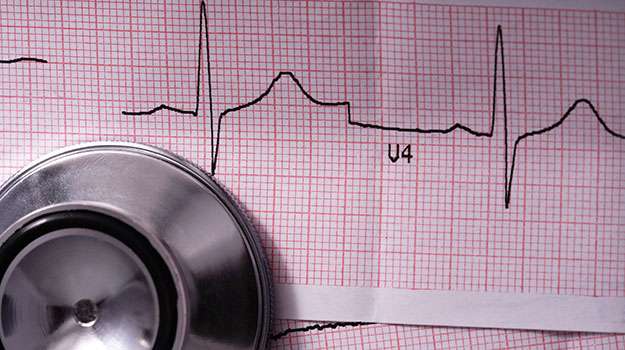
Hypertension, also known as high blood pressure, is a common yet serious condition that can lead to numerous health complications if unmanaged. Early detection through routine screenings ensures proactive measures are taken before severe consequences arise. Understanding how hypertension affects your body helps prioritize effective management strategies and lifestyle choices going forward!
- The classic symptomatology may be elusive; thus regular monitoring is important even when no symptoms appear initially until complications develop over time!
- A definitive diagnosis usually incorporates multiple readings over several weeks utilizing standardized blood pressure equipment along with additional laboratory assessments when indicated followed by clinical evaluation!
- Treatment modalities incorporate pharmacologic agents—such as diuretics—and recommend dietary patterns prevalent in DASH (Dietary Approaches To Stop Hypertension) among a lot more options available!
MYOCARDIAL INFARCTION
A myocardial infarction, commonly known as a heart attack, occurs when blood flow to a part of the heart is blocked. Quick diagnosis and treatment are critical as delays can result in extensive damage. Understanding this condition empowers patients at risk or those exhibiting symptoms to act swiftly if necessary.
- Main symptoms include intense chest pain or pressure that may extend into the arms or jaw accompanied by cold sweat or lightheadedness.
- This condition typically requires urgent diagnostic testing like an X-ray, ECGs, and cardiac enzyme tests for confirmation of an event.
- Treatment often includes immediate use of thrombolytics (clot busters) followed by potential surgical interventions such as stenting or bypass surgery based on severity levels.
- A significant aspect of recovery involves structured cardiac rehabilitation focusing on strength building post-event recovery mechanisms while addressing lifestyle factors contributing to cardiovascular health risks.
Persistent vigilance regarding risk factors following a myocardial infarction greatly assists in preventing future occurrences.
CARDIAC ARRHYTHMIAS
Cardiac arrhythmias refer to irregular heartbeats that can disrupt normal blood flow. They may be harmless or potentially life-threatening; hence understanding them is vital for effective management. Patients experiencing unusual palpitations should consult their healthcare provider for evaluation.
- Common symptoms include fluttering sensations in the chest, dizziness, or fainting spells.
- An accurate diagnosis usually involves a combination of Holter monitoring, ECGs, and stress testing.
- Treatment options vary from medications like beta-blockers to interventional procedures such as catheter ablation in more severe cases.
- Lifestyle recommendations might include stress management techniques and avoiding caffeine or stimulants that could exacerbate arrhythmias.
- A long-term follow-up plan helps ensure ongoing assessment of any future risks associated with these conditions.
Catching arrhythmias early allows for better management strategies tailored specifically for individual patient needs.
HEART FAILURE
Heart failure occurs when the heart is unable to pump blood efficiently, leading to inadequate circulation throughout the body. This condition can develop over time due to various underlying issues such as hypertension or previous heart attacks. Early recognition and management are key in improving quality of life.
- The most common symptoms include fatigue, fluid retention causing swelling in the legs, and difficulty breathing during exertion.
- A thorough evaluation is needed which often includes echocardiograms, lab tests, and sometimes cardiac MRI.
- Treatment may involve medications like diuretics or ACE inhibitors along with lifestyle changes focused on sodium intake reduction.
- A comprehensive care plan often integrates rehabilitation programs tailored for improved physical endurance.
- Persistent follow-up visits are essential to monitor treatment efficacy and make necessary adjustments.
The goal of managing heart failure is not only to alleviate symptoms but also to enhance overall well-being and longevity.
ACUTE CORONARY SYNDROME
Acute Coronary Syndrome (ACS) is a term that encompasses a range of conditions associated with sudden, reduced blood flow to the heart. It can lead to severe complications, including heart attacks, if not addressed promptly. Understanding ACS can empower patients to recognize warning signs and seek timely medical intervention.
- Symptoms may include chest pain, shortness of breath, and nausea.
- Diagnosis typically involves electrocardiograms (ECGs), blood tests for cardiac markers, and imaging studies.
- Treatment options range from medications such as antiplatelets to surgical procedures like angioplasty or bypass surgery.
- The management plan may include lifestyle modifications such as diet changes and exercise.
- Patients should expect close follow-up care to monitor heart health and adjust treatment as necessary.
If you experience any symptoms similar to ACS, it’s crucial to seek medical help immediately for the best possible outcome.