
Dr Pundirs Clin
About Me
Dr Pundirs Clin
MBBS
Podiatrist
10 Years Experience
Biography
My Clinic
OPD Hours
| Monday | Morning | 10:00 AM | - | 02:00 PM |
| Evening | 06:00 PM | - | 09:00 PM | |
| Tuesday | Morning | 10:00 AM | - | 02:00 PM |
| Evening | 06:00 PM | - | 09:00 PM | |
| Wednesday | Morning | 10:00 AM | - | 02:00 PM |
| Evening | 06:00 PM | - | 09:00 PM | |
| Thursday | Morning | 10:00 AM | - | 02:00 PM |
| Evening | 06:00 PM | - | 09:00 PM | |
| Friday | Morning | 10:00 AM | - | 02:00 PM |
| Evening | 06:00 PM | - | 09:00 PM | |
| Saturday | Morning | 10:00 AM | - | 02:00 PM |
| Evening | 06:00 PM | - | 09:00 PM | |
| Sunday | Morning | 10:00 AM | - | 02:00 PM |
| Evening | 06:00 PM | - | 09:00 PM |
Treatments
Specialised care and treatments offered
NEUROMAS TREATMENT
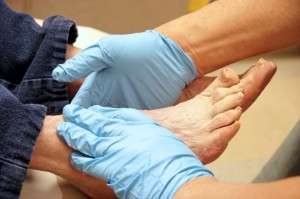
A neuroma refers to a benign nerve tissue enlargement most commonly found between toes causing sharp burning pain sometimes accompanied by numbness. The interdigital (Morton’s) neuroma is particularly frequent among active adults wearing tight shoes frequently triggering this problem due to nerve compression at nearby locations within forefoot structures.
< s t r o n g >Typical manifestations:< /s t r o n g >Pain radiating from forefoot towards toes worsens with walking especially in tight enclosed footwear.< /l i >< s t r o n g >Proper diagnosis:< /s t r o n g >Clinical examination supported by diagnostic ultrasound or MRI confirms presence and extent enabling precise targeted interventions..< /l i >< s t r o n g >Treatment regimen:< /s t r o n g >Initial measures involve avoiding aggravating shoes alongside steroid injections providing symptom relief without need for surgery.< /l i >< s t r o n g >Advanced approaches:< /s t r o n g >For persistent refractory cases newer minimally invasive techniques like alcohol sclerosing injections or percutaneous decompression surgery offer favorable outcomes reducing nerve irritation effectively.< /l i >< s t r o n g >Expected outcomes:< /s t r o n g >Most patients notice significant improvement following conservative treatment though complete resolution might take time requiring patience during recovery phase.< /l i >Caring for this nerve condition promptly can prevent progression ensuring mobility return comfortably thus preserving overall foot health efficiently.+
FLATFOOT (PES PLANUS) SUPPORTIVE CARE
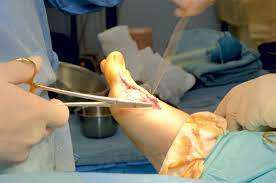
A flatfoot condition occurs when the arches of the feet collapse partially or completely upon weight bearing. This can cause fatigue or pain along with potential changes in gait biomechanics affecting knees or hips downstream.
- Main signs & symptoms: The absence/reduction of medial longitudinal arch accompanied by complaints such as aching after activity reflects this disorder.
- The diagnosis involves clinical evaluation plus imaging studies like X-ray which help distinguish flexible vs rigid types allowing appropriate treatment choice.
- Nonsurgical management emphasizes customized orthotics that provide arch support crucially designed following careful biomechanical assessment related directly toward symptom relief. l i > l i > al < /u l > p>This approach helps minimize discomfort whilst preserving mobility enabling patients improved quality of life through practical solutions tailored specifically around each individual’s unique presentation.
CORNS AND CALLUSES TREATMENT
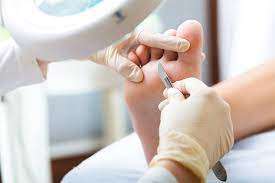
Corns and calluses are thickened layers of skin that develop as a natural protective response to repeated friction or pressure on specific areas of the feet. They often cause discomfort when walking or standing for prolonged periods.
- Their origin lies: in chronic mechanical irritation commonly caused by ill-fitting shoes or abnormal gait patterns leading to localized skin thickening over bony prominences.
- If painful areas are noted, clinical examination confirms diagnosis while ruling out ulcers in diabetic patients where skin integrity is compromised more seriously.
- Treatment includes: careful debridement by a healthcare professional (never attempt self-cutting), cushioning pads to redistribute pressure points, footwear recommendations, and emollients.
- Avoidance strategies include: choosing comfortable shoes with soft interiors, managing underlying structural complications, and maintaining good foot hygiene.
- The prognosis generally favors symptomatic improvement: when managed promptly before further complications develop.
This protective measure aims not only at alleviating symptoms but also preventing recurrence through lifestyle adaptation tailored specifically for each individual’s needs.
BUNIONS (HALLUX VALGUS) MANAGEMENT
Bunions are bony bumps that develop at the base of the big toe due to misalignment of joint structures. This deformity can cause discomfort and difficulty fitting shoes properly over time.
- Causative factors: Genetics, poorly fitting footwear such as narrow shoes or high heels, and certain biomechanical abnormalities increase risk.
- Clinical assessment: Physical examination focuses on deformity severity; weight-bearing X-rays help evaluate joint alignment for planning treatment approaches.
- Conservative strategies: Padding techniques, orthotic devices aimed at correcting foot mechanics, anti-inflammatory medication use, and activity modification provide relief for mild symptoms.
- Surgical considerations: When conservative measures fail or pain becomes severe affecting functionality, minimally invasive bunion surgery options can correct deformities with less tissue disruption compared to traditional procedures.
The goal is always symptom control combined with improving foot function through individualized treatments based on patient needs and lifestyle factors.
INGROWN TOENAIL TREATMENT
An ingrown toenail occurs when the edge of a toenail grows into the surrounding skin, leading to pain and sometimes infection. It frequently affects the big toe and can severely impact daily activities if untreated.
- Identification: Symptoms include redness, swelling, tenderness near the nail border, and possible pus formation if infected.
- Causes: Improper nail trimming, tight footwear, trauma, or genetic predisposition often contribute to this condition.
- Diagnosis procedure: A thorough clinical evaluation helps determine severity; X-rays are rarely needed unless infection spreads.
- Treatment methods: Mild cases respond well to soaking and nail care; more persistent cases may require partial nail avulsion performed under local anesthesia.
- Post-treatment care: Antibiotics may be prescribed if infection is present; keeping the area clean promotes healing and prevents recurrence.
Treating ingrown toenails promptly reduces discomfort and complications while restoring normal nail growth patterns effectively.
PLANTAR FASCIITIS
Plantar fasciitis is a common cause of heel pain resulting from inflammation of the plantar fascia, a thick band of tissue that runs along the bottom of the foot. This condition affects many individuals, especially those who are active or spend long hours on their feet.
- Symptoms and causes: Patients typically experience sharp heel pain, especially with the first steps in the morning or after periods of rest. It can be caused by repetitive strain, overuse, improper footwear, or foot arch abnormalities.
- Diagnosis: Diagnosis primarily involves a physical examination and review of symptoms. Imaging tests like ultrasound or X-rays may be used to rule out other issues.
- Treatment options: Conservative management is preferred and includes stretching exercises, orthotic devices, anti-inflammatory medications, and activity modification.
- Minimally invasive interventions: In cases resistant to conservative care, corticosteroid injections or shockwave therapy might be recommended.
- What to expect: Recovery can take several weeks to months; adherence to treatment improves outcomes significantly.
This condition is manageable with proper care and guidance aiming to reduce inflammation and support foot mechanics for lasting relief.