
Dr Puneet Agarwal
About Me
Dr Puneet Agarwal
Dermatologist
Biography
My Clinic
OPD Hours
| Monday | Morning | 10:00 AM | - | 02:00 PM |
| Evening | 06:00 PM | - | 09:00 PM | |
| Tuesday | Morning | 10:00 AM | - | 02:00 PM |
| Evening | 06:00 PM | - | 09:00 PM | |
| Wednesday | Morning | 10:00 AM | - | 02:00 PM |
| Evening | 06:00 PM | - | 09:00 PM | |
| Thursday | Morning | 10:00 AM | - | 02:00 PM |
| Evening | 06:00 PM | - | 09:00 PM | |
| Friday | Morning | 10:00 AM | - | 02:00 PM |
| Evening | 06:00 PM | - | 09:00 PM | |
| Saturday | Morning | 10:00 AM | - | 02:00 PM |
| Evening | 06:00 PM | - | 09:00 PM | |
| Sunday | Morning | 10:00 AM | - | 02:00 PM |
| Evening | 06:00 PM | - | 09:00 PM |
Treatments
Specialised care and treatments offered
SKIN CANCER SCREENING
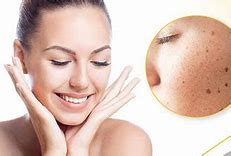
Catching skin cancer early increases treatment effectiveness dramatically. Regular screenings help identify suspicious moles or growths before they turn malignant. Education on self-examination techniques empowers individuals in proactive healthcare approaches regarding their skin health!
- You might notice unusual changes like asymmetry in moles' shape/colors; new growths suddenly appearing need attention immediately!
- A thorough screening includes visual inspection under good lighting conditions coupled perhaps with dermatoscopic evaluation for deeper insights into growth features as needed.
- Early-stage tumors often benefit from surgical excision alone while more advanced cases could require chemotherapy depending upon its nature.
- Following up routinely post-treatment ensures no recurrence occurs along educating about sun protection adequately—this knowledge truly safeguards future risks!
Regular screenings are paramount because awareness leads directly towards maintaining optimal dermatological well-being moving forward!
CONTACT DERMATITIS
This condition arises when the skin reacts after coming into contact with allergens or irritants. The response may not be immediate but manifests over time with repeated exposure. Identifying triggers is vital for effective management and prevention strategies.
- Main signs include redness, itching, swelling associated with blistering in severe cases following contact with harmful substances.
- This condition is diagnosed based on symptoms occurring after exposure along with patch testing if required to identify specific allergens.
- Avoidance of identified irritants combined with topical steroids or antihistamines forms the backbone of treatment strategies available here.
- An important aspect is educating patients about preventive measures including wearing protective clothing or using barrier creams during exposures whenever possible!
A clear understanding empowers patients significantly when managing their reactions effectively!
SKIN INFECTIONS
Skin infections encompass a broad range of conditions caused by bacteria, viruses, or fungi entering through damaged skin barriers. Common types include cellulitis and impetigo. Quick recognition is key to preventing complications associated with these infections.
- Symptoms often include redness, swelling, warmth at the site of infection along with possible pus formation or fever in systemic cases.
- Diagnosis requires assessment of physical symptoms; cultures may be taken for an accurate pathogen identification.
- Treatment typically includes antibiotics for bacterial infections while antifungal medications are used for fungal types; topical treatments may also be considered based on severity.
- It's essential to monitor symptoms as untreated infections can escalate quickly; proper hygiene aids prevention significantly.
Your awareness of potential symptoms ensures timely intervention when dealing with skin infections!
ACNE
Acne is a prevalent skin condition that occurs when hair follicles become clogged with oil and dead skin cells. It commonly affects teenagers but can persist into adulthood. Factors such as hormonal changes, stress, and diet may contribute to its development.
- Main symptoms include various types of pimples like whiteheads, blackheads, cysts, and inflammation around affected areas.
- This condition is diagnosed through clinical evaluation; more complex cases may require hormonal testing or imaging studies.
- Treatments range from topical retinoids and antibiotics to oral contraceptives for hormonal acne management.
- Persistent cases might need laser therapy or chemical peels for better results; self-care practices also play a pivotal role in management.
Education on acne can empower patients to make informed decisions about their treatment options effectively.
ECZEMA
Eczema, or atopic dermatitis, is a common inflammatory skin condition that causes itchy and inflamed patches of skin. It often begins in childhood but can persist into adulthood. The exact cause remains unclear but is thought to involve genetic and environmental factors.
- The primary symptoms are intense itching, redness, and dry skin that can lead to crusting or oozing lesions.
- This condition is diagnosed by evaluating the appearance of the skin and discussing personal or family history of allergies.
- Treatment focuses on moisturizing creams, corticosteroids, or immunomodulatory therapies depending on severity.
- Patients should expect flare-ups triggered by allergens or irritants; ongoing care can minimize discomfort.
A comprehensive understanding of eczema aids in achieving better control over this distressing condition.
PSORIASIS
Psoriasis is a chronic autoimmune condition that manifests as red, scaly patches on the skin. This disorder occurs when the immune system mistakenly attacks healthy skin cells, leading to rapid cell turnover and inflammation.
- Symptoms include dry, itchy skin and thickened, silvery scales.
- Diagnosis is typically made through physical examination and medical history review, sometimes supplemented by a biopsy.
- Treatment options range from topical treatments and phototherapy to systemic medications for severe cases.
- Patients can expect periodic flares and remissions; lifestyle changes may help in managing symptoms.
Understanding psoriasis is crucial for effective management, allowing individuals to lead a fulfilling life despite the condition.