
DR Puneet
About Me
DR Puneet
MD
Dermatologist
Biography
My Clinic
OPD Hours
| Monday | Morning | 10:00 AM | - | 02:00 PM |
| Evening | 06:00 PM | - | 09:00 PM | |
| Tuesday | Morning | 10:00 AM | - | 02:00 PM |
| Evening | 06:00 PM | - | 09:00 PM | |
| Wednesday | Morning | 10:00 AM | - | 02:00 PM |
| Evening | 06:00 PM | - | 09:00 PM | |
| Thursday | Morning | 10:00 AM | - | 02:00 PM |
| Evening | 06:00 PM | - | 09:00 PM | |
| Friday | Morning | 10:00 AM | - | 02:00 PM |
| Evening | 06:00 PM | - | 09:00 PM | |
| Saturday | Morning | 10:00 AM | - | 02:00 PM |
| Evening | 06:00 PM | - | 09:00 PM | |
| Sunday | Morning | 10:00 AM | - | 02:00 PM |
| Evening | 06:00 PM | - | 09:00 PM |
Treatments
Specialised care and treatments offered
ACNE
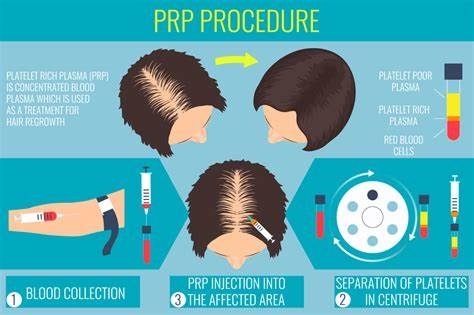
Acne is one of the most common skin disorders affecting individuals during adolescence and beyond. It results from clogged hair follicles due to excess oil production and dead skin cells.
- Main Symptoms: It usually presents as pimples on the face, shoulders, back, and chest—varying from mild whiteheads to more severe cystic lesions.
- Causative Factors: Hormonal changes during puberty or menstrual cycles can exacerbate acne. Other factors include certain medications and diet.
- Dermatological Diagnosis: A dermatologist will evaluate your condition through physical examination; lab tests may be employed if necessary
ECZEMA (ATOPIC DERMATITIS)
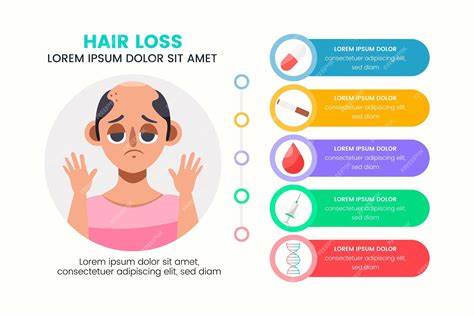
Eczema is a term used for a group of conditions that cause the skin to become inflamed or irritated. It is particularly common in children but can affect individuals at any age.
- Symptoms: Patients often experience dry, itchy patches of skin; redness; swelling; and even crusting or oozing in severe cases.
- Causes: Eczema can be triggered by allergens, irritants, stress, and environmental factors such as temperature changes.
- Diagnosis: Diagnosis typically involves clinical examination by a dermatologist along with patient history concerning symptom triggers.
- Treatment Approaches: Management generally includes the use of moisturizers, topical corticosteroids, and antihistamines for itch relief.
- Long-term Management: Avoidance of known triggers is essential for reducing flare-ups and maintaining healthy skin.
If you're experiencing persistent discomfort due to eczema, seek guidance from a qualified dermatologist for tailored advice.
PSORIASIS
Psoriasis is a chronic autoimmune skin condition that leads to the rapid growth of skin cells, causing scaling on the skin's surface. This disorder often manifests in cycles, with periods of flare-ups followed by remission.
- Symptoms: Common symptoms include red patches covered with thick, silvery scales, dry and cracked skin that may bleed, and itching or burning sensations.
- Causes: The exact cause remains unclear; however, it is believed to be related to immune system dysfunction and genetics.
- Diagnosis: Dermatologists often diagnose psoriasis through visual examination; sometimes a biopsy may be performed for confirmation.
- Treatment Options: Management can include topical treatments, phototherapy, and systemic medications like biologics that target specific pathways of the immune response.
- What to Expect: Treatment aims to reduce inflammation and plaque formation, improving overall skin appearance and minimizing symptoms.
If you suspect you have psoriasis, it’s important to consult a dermatologist for accurate diagnosis and personalized management strategies.