
Dr Puneet Gupta
About Me
Dr Puneet Gupta
Internal Medicine
Biography
My Clinic
OPD Hours
| Monday | Morning | 10:00 AM | - | 02:00 PM |
| Evening | 06:00 PM | - | 09:00 PM | |
| Tuesday | Morning | 10:00 AM | - | 02:00 PM |
| Evening | 06:00 PM | - | 09:00 PM | |
| Wednesday | Morning | 10:00 AM | - | 02:00 PM |
| Evening | 06:00 PM | - | 09:00 PM | |
| Thursday | Morning | 10:00 AM | - | 02:00 PM |
| Evening | 06:00 PM | - | 09:00 PM | |
| Friday | Morning | 10:00 AM | - | 02:00 PM |
| Evening | 06:00 PM | - | 09:00 PM | |
| Saturday | Morning | 10:00 AM | - | 02:00 PM |
| Evening | 06:00 PM | - | 09:00 PM | |
| Sunday | Morning | 10:00 AM | - | 02:00 PM |
| Evening | 06:00 PM | - | 09:00 PM |
Treatments
Specialised care and treatments offered
THYROID DISORDER MANAGEMENT
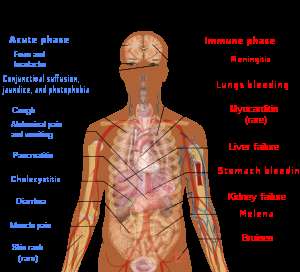
The thyroid gland plays a vital role in regulating metabolism through hormone production. Managing thyroid disorders is critical for maintaining energy balance and overall well-being
.- .
- . Sarrah's Optimal M&O PapersTheir typical manifestations include unexplained weight fluctuations among other systemic effects caused by hormonal imbalances . LI>. Causative factors like Hashimoto's disease or iodine deficiencies contribute significantly towards these conditions. Diagnoses rely heavily upon laboratory evaluations measuring TSH (Thyroid-Stimulating Hormone) concentrations alongside T3/T4 hormone assessments are important steps towards accurate diagnoses.. Services offered range from medication regimes involving levothyroxine replacement therapy up until surgical interventions depending on severity implicated.. Should expect changes after starting treatment plan initiate monitoring checks regularly ensuring true progress against established norms across time correlate positively---! - Reflecting Holistic Approach While Assuring Consistency In Follow-Up Is Key For Improved Outcomes Over Time To Ensure Long-Term Sustainability& Health Status Improvement!
PREVENTIVE HEALTH SCREENINGS
The importance of preventive screenings cannot be overstated. These assessments are essential tools used in internal medicine to identify potential health issues before they develop into serious conditions.
- Symptoms: As these screenings often detect underlying issues without obvious symptoms; proactive participation in ongoing examinations safeguards long-term health.
- Causes: Various risk factors such as family history or unhealthy lifestyle choices may warrant specific screening protocols tailored towards individual needs.
- Diagnosis: Based on age-group recommendations including tests like mammograms or colonoscopies help establish baselines for monitoring future concerns if warranted.
- Treatment Options: Results from screenings guide further action that could range from lifestyle modification recommendations through early intervention strategies as necessary.
- What to Expect: Consistent engagement ensures comprehensive assessments aimed at enhancing quality-of-life outcomes over time while catching potential issues early enough for effective responses!
Prioritizing regular health screenings fosters better overall well-being through informed decision-making about preventative care practices today!
CHOLESTEROL MANAGEMENT
Elevated cholesterol levels can be detrimental to cardiovascular health. Monitoring cholesterol is an essential aspect of preventive healthcare strategies in internal medicine.
- Symptoms: High cholesterol typically shows no direct symptoms but plays a significant role in increased risks for heart attack and stroke over time.
- Causes: Poor dietary choices high in saturated fats, lack of exercise, smoking habits, or genetic predisposition can lead to increased cholesterol levels.
- Diagnosis: Lipid panels measure different types of cholesterol through simple blood tests performed during routine assessments.
- Treatment Options: Lifestyle modifications such as improved diet and increased physical activity are often recommended alongside medications like statins when necessary.
- What to Expect: Regular check-ups are vital for assessing treatment effectiveness while making any adjustments based on individual needs.
Proactive management significantly lowers cardiovascular risks while promoting overall wellness.
ASTHMA TREATMENT
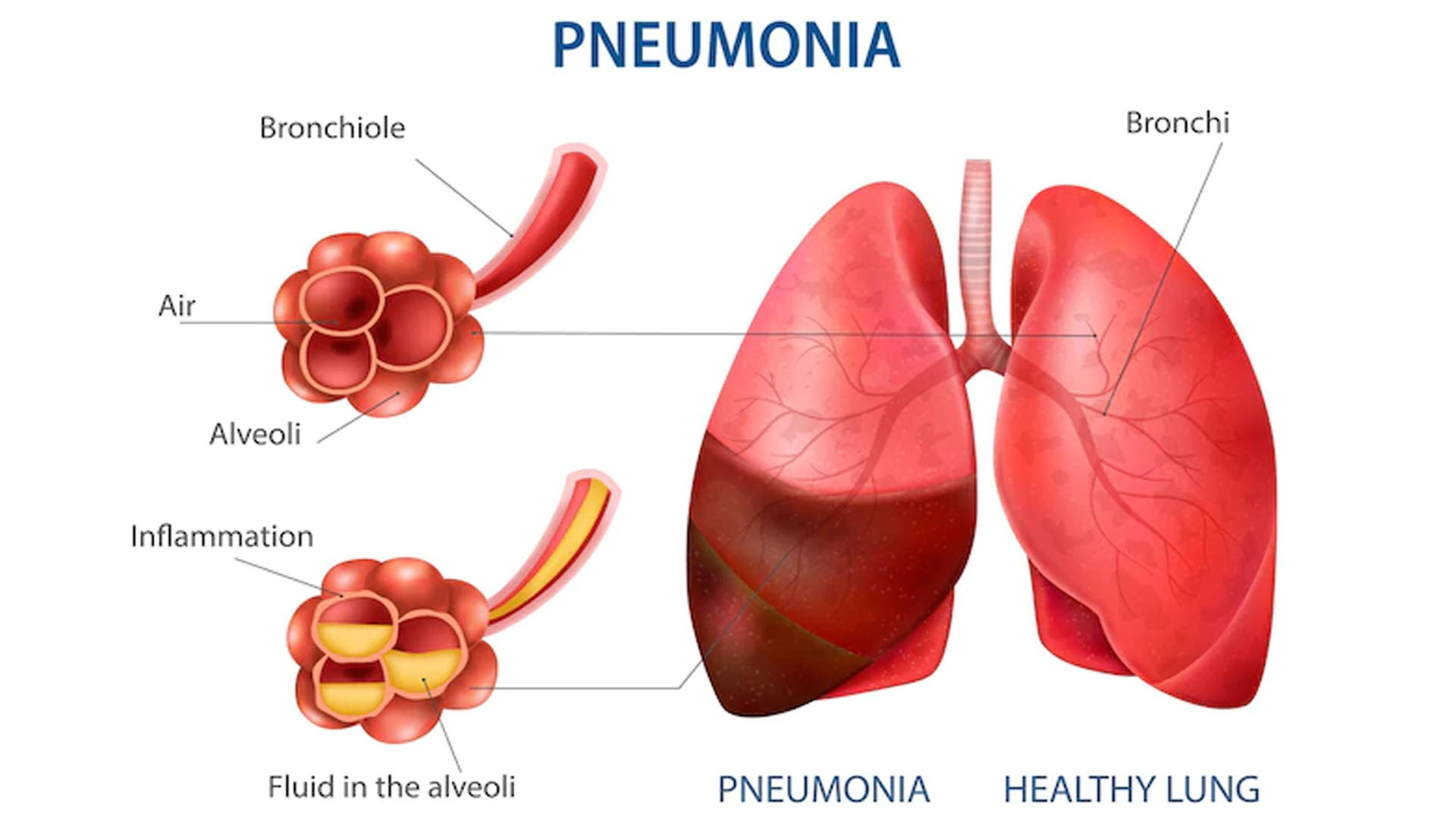
A chronic respiratory condition known as asthma affects millions worldwide. Proper treatment is crucial to managing symptoms effectively and maintaining normal activity levels.
- Symptoms: Common symptoms include wheezing, coughing (especially at night), chest tightness, and shortness of breath during physical activities.
- Causes: Triggers often include allergens such as pollen, dust mites, tobacco smoke, or environmental pollutants.
- Diagnosis: Lung function tests (spirometry) assess airflow limitations characteristic of asthma during routine evaluations.
- Treatment Options: Controllers (like inhaled corticosteroids) and rescue inhalers are commonly prescribed for managing asthma symptoms effectively.
- What to Expect: With the right treatment plan in place, many patients achieve substantial relief from symptoms with minimal disruption to their daily lives.
Please consult with healthcare professionals regularly for optimal asthma control strategies tailored specifically for you.
DIABETES MELLITUS CARE
Diabetes is a chronic condition characterized by elevated blood glucose levels. Understanding diabetes management is vital for maintaining metabolic control and preventing complications.
- Symptoms: Common signs include excessive thirst, frequent urination, fatigue, and blurred vision.
- Causes: Factors like genetics, obesity, and sedentary lifestyle play a significant role in the development of diabetes.
- Diagnosis: Blood tests measuring glucose levels help confirm the diagnosis of diabetes mellitus.
- Treatment Options: Management may involve lifestyle changes alongside insulin therapy or oral medications depending on the type of diabetes.
- What to Expect: Regular follow-up appointments will help monitor blood sugar levels and adjust treatment plans as required.
A comprehensive approach can empower patients to effectively manage their condition and enhance their quality of life.
HYPERTENSION MANAGEMENT
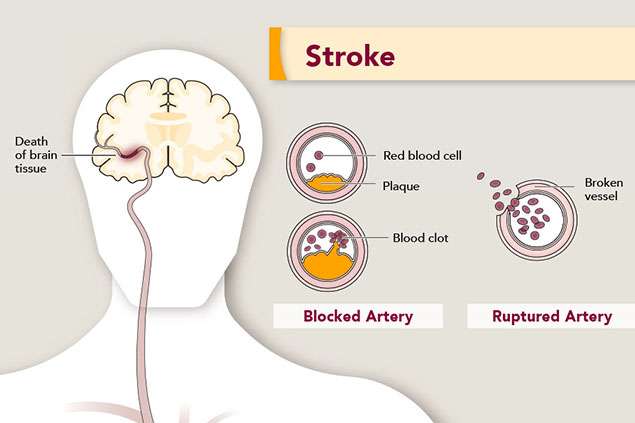
High blood pressure, known as hypertension, is a common condition that can lead to serious health issues if left untreated. Managing hypertension is crucial for preventing heart disease and stroke.
- Symptoms: Many individuals may not experience noticeable symptoms, but some may have headaches, shortness of breath, or nosebleeds.
- Causes: Factors such as obesity, lack of physical activity, high salt intake, and stress can contribute to elevated blood pressure levels.
- Diagnosis: Blood pressure is measured using a sphygmomanometer during regular health check-ups or specific assessments.
- Treatment Options: Management includes lifestyle changes like diet and exercise, along with medications such as diuretics or ACE inhibitors when necessary.
- What to Expect: Regular monitoring and adherence to prescribed treatments are essential for maintaining healthy blood pressure levels.
Effective management of hypertension can significantly reduce the risk of complications and improve overall health outcomes.