
Dr Punit Pratap
About Me
Dr Punit Pratap
MBBS
Dermatologist
10 Years Experience
Biography
My Clinic
OPD Hours
| Monday | Morning | 10:00 AM | - | 02:00 PM |
| Evening | 06:00 PM | - | 09:00 PM | |
| Tuesday | Morning | 10:00 AM | - | 02:00 PM |
| Evening | 06:00 PM | - | 09:00 PM | |
| Wednesday | Morning | 10:00 AM | - | 02:00 PM |
| Evening | 06:00 PM | - | 09:00 PM | |
| Thursday | Morning | 10:00 AM | - | 02:00 PM |
| Evening | 06:00 PM | - | 09:00 PM | |
| Friday | Morning | 10:00 AM | - | 02:00 PM |
| Evening | 06:00 PM | - | 09:00 PM | |
| Saturday | Morning | 10:00 AM | - | 02:00 PM |
| Evening | 06:00 PM | - | 09:00 PM | |
| Sunday | Morning | 10:00 AM | - | 02:00 PM |
| Evening | 06:00 PM | - | 09:00 PM |
Treatments
Specialised care and treatments offered
ALOPECIA AREATA MANAGEMENT
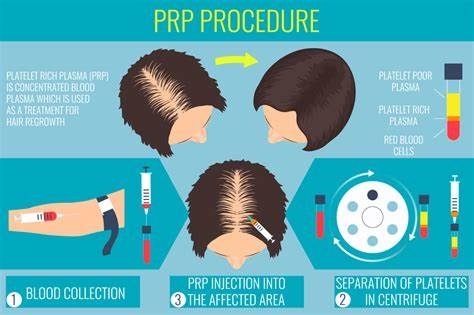
Alopecia areata is an autoimmune disease leading to patchy hair loss that can affect scalp and other hair-bearing regions unpredictably. Prompt intervention can improve chances for hair regrowth later on.
- Recognizable signs: Sudden appearance of smooth bald patches without scarring accompanied sometimes by nail changes.
- Confirming diagnosis: Physical exam along with ruling out other causes through blood tests when necessary aid accurate identification.
- Treatment options: Includes topical immunotherapy agents, corticosteroid injections into affected areas along with supportive care approaches which vary based on extent and progression rate.
- Patient counseling: Important aspect involves setting realistic expectations regarding course variability including possibility of spontaneous regrowth even without treatment over time.
A comprehensive approach balances medical management alongside psychological support due to impact on well-being created by visible hair loss patterns associated with alopecia areata.
HYPERPIGMENTATION CORRECTION
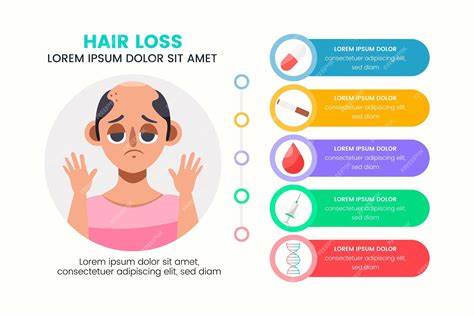
This condition involves uneven darkening of certain areas on the skin due to increased melanin production. Cosmetic concerns often motivate seeking care for hyperpigmentation disorders like melasma or post-inflammatory spots.
- Causes include: Sun exposure, hormonal changes (pregnancy or medications), inflammation following acne or injury contribute to dark spot formation.
- Evaluation process: Diagnosis is usually clinical but may be supported by Wood's lamp examination to assess pigment depth.
- Treatment modalities: Topical agents such as hydroquinone derivatives or azelaic acid combined with sunscreen use provide gradual lightening effect. Laser therapies could be an option for resistant cases under dermatologist supervision.
- Prevention strategy: Consistent sun protection including broad-spectrum sunscreens reduces worsening pigmentation tendencies substantially.
Tailored treatment plans emphasize safe improvement over time while minimizing side effects associated with pigment alteration therapies.
ECZEMA (ATOPIC DERMATITIS) TREATMENT
Eczema manifests as red, itchy patches often linked with a personal or family history of allergies. Controlling this inflammatory skin disorder reduces discomfort and prevents infection risks.
- Main symptoms: Dryness, scaling, intense itching leading to scratching-induced damage are hallmark features.
- Diagnostic criteria: Clinical evaluation focusing on rash patterns alongside allergy history supports diagnosis without need for invasive tests in typical cases.
- Therapeutic methods: Emollients for hydration combined with anti-inflammatory topical steroids or calcineurin inhibitors help calm flare-ups effectively.
- Avoiding triggers: Such as harsh soaps, irritants or allergens plays a critical preventive role.
A personalized regimen minimizing symptoms ensures improved daily functioning and long-term skin health maintenance in eczema sufferers.
SKIN CANCER SCREENING
The early detection of skin cancer significantly improves prognosis. Routine screening helps identify suspicious lesions before they become advanced.
- Who should screen: Individuals with fair skin, excessive sun exposure history, numerous moles or family history of melanoma are higher risk candidates.
- The screening exam: Involves thorough visual inspection of all body areas with attention to changing moles or new growths.
- Dermatoscopy tool use: Enhances detailed examination allowing differentiation between benign and malignant lesions.
- If suspicious lesions arise: Biopsy is performed promptly for definitive diagnosis.
This preventive practice aims to catch malignancies like melanoma early when treatment is most effective and conservation of healthy tissue is possible.
PSORIASIS SCREENING AND CARE
Psoriasis is a chronic autoimmune condition causing rapid skin cell turnover resulting in thickened, scaly patches. Early recognition promotes better long-term outcomes through timely intervention.
- Recognizing signs: Red plaques with silvery scales commonly on elbows, knees, scalp; itching or soreness may be present.
- Diagnostic process: Diagnosis relies on clinical examination supported by patient history; sometimes skin biopsy is necessary for confirmation.
- Treatment approaches: Include topical corticosteroids, vitamin D analogues, phototherapy, or systemic medications depending on severity.
- Lifestyle considerations: Moisturizing regularly and avoiding triggers such as stress can reduce flare-ups.
A careful combination of therapies tailored individually helps keep psoriasis under control while improving quality of life.
ACNE VULGARIS MANAGEMENT
Acne vulgaris is a common skin condition that primarily affects adolescents but can occur at any age. It involves the inflammation of hair follicles and oil glands, leading to various types of pimples and lesions on the skin.
- Symptoms and causes: Includes whiteheads, blackheads, papules, pustules, and sometimes cysts caused by excess oil production, clogged pores, bacteria, and inflammation.
- Diagnosis: Typically made through physical examination of the affected skin areas; severity assessment guides treatment choices.
- Treatment options: Range from topical agents like retinoids and benzoyl peroxide to oral antibiotics or hormonal therapy for severe cases.
- Management tips: Proper skincare routines and avoiding pore-clogging products help control outbreaks.
- Expectations: Improvement usually occurs over weeks to months; ongoing care may be needed to prevent scarring.
With appropriate treatment tailored to the acne type and severity, most patients achieve significant improvement in skin appearance and comfort.