
Dr Punit Saraogi
About Me
Dr Punit Saraogi
Dermatologist
Biography
My Clinic
OPD Hours
| Tuesday | Morning | 10:00 AM | - | 02:00 PM |
| Evening | 06:00 PM | - | 09:00 PM | |
| Wednesday | Morning | 10:00 AM | - | 02:00 PM |
| Evening | 06:00 PM | - | 09:00 PM | |
| Thursday | Morning | 10:00 AM | - | 02:00 PM |
| Evening | 06:00 PM | - | 09:00 PM | |
| Friday | Morning | 10:00 AM | - | 02:00 PM |
| Evening | 06:00 PM | - | 09:00 PM | |
| Saturday | Morning | 10:00 AM | - | 02:00 PM |
| Evening | 06:00 PM | - | 09:00 PM | |
| Sunday | Morning | 10:00 AM | - | 02:00 PM |
| Evening | 06:00 PM | - | 09:00 PM | |
| Thursday | Morning | 10:00 AM | - | 02:00 PM |
| Evening | 06:00 PM | - | 09:00 PM |
Treatments
Specialised care and treatments offered
ROSACEA
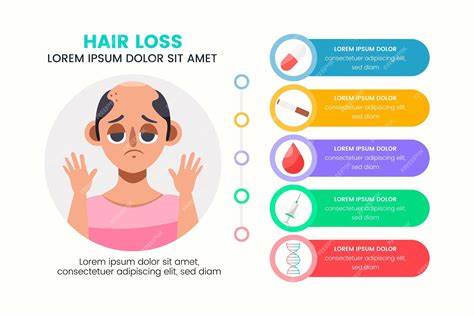
This chronic inflammatory skin condition primarily affects the face. Characterized by redness and visible blood vessels; understanding rosacea aids in managing its symptoms effectively—especially in social situations where appearance matters most.
- Main Symptoms: Flushing episodes followed by persistent redness especially on cheeks and nose; tiny pimples may also occur resembling acne but without blackheads
ECZEMA (ATOPIC DERMATITIS)
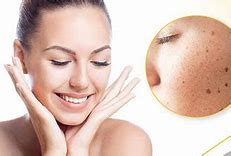
Eczema is an inflammatory skin condition characterized by dry, itchy patches of skin. It can appear at any age but is especially common in children. Understanding its management is crucial for those affected.
- Main Symptoms: Includes intense itching along with red or brownish-gray patches on various body parts such as hands and feet.
- Triggers: Commonly exacerbated by foods like eggs or milk, environmental factors like pollen or pet dander also play a role in flare-ups.
- Diagnosis: Based on clinical evaluation—family history may also provide insights into eczema predisposition.
A personalized skincare regimen paired with avoidance strategies can alleviate symptoms effectively over time.
SKIN CANCER SCREENING
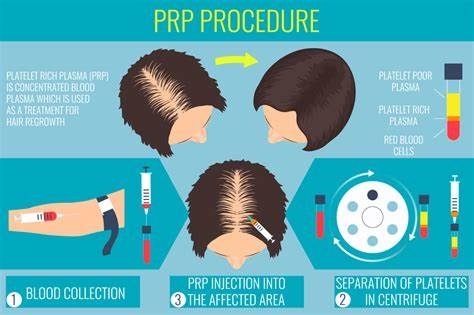
A proactive approach to health involves regular screening for skin cancers like melanoma. Early detection plays a critical role in successful treatment outcomes.
- What it entails: Involves a thorough visual examination of the skin's surface for abnormal moles or growths.
- Caution Signs: Changes in size, shape, color of moles; new growths should not be overlooked.
- The Process: Typically conducted annually; if abnormalities are detected, further evaluation is required which may include biopsies.
The benefits of early identification cannot be overstated as they greatly improve prognosis and treatment effectiveness.
PSORIASIS
This chronic autoimmune condition leads to the rapid growth of skin cells, forming scales that can be itchy and sometimes painful. Psoriasis flare-ups can significantly affect quality of life.
- Symptoms: Red patches covered with thick silvery scales commonly found on elbows, knees, and scalp.
- Causes: Triggers include stress, infections, or injury to the skin; genetic factors may also play a role in susceptibility.
- Diagnosis: Usually identified by physical examination; sometimes a biopsy is performed to confirm the diagnosis.
- Treatment Options: Involves topical treatments like corticosteroids, phototherapy options such as UV light exposure, or systemic medications for severe cases.
An effective management plan can considerably reduce flare-ups and enhance comfort.
ACNE
Acne is a common skin condition that affects individuals of all ages, primarily during adolescence. It occurs when hair follicles become clogged with oil and dead skin cells, leading to inflammation.
- Symptoms: Includes pimples, blackheads, and cysts predominantly on the face, back, and shoulders.
- Causes: Factors include hormonal changes, genetic predisposition, and certain medications.
- Diagnosis: Typically diagnosed through a physical examination; more severe cases may require further testing.
- Treatment Options: May include topical treatments like retinoids or benzoyl peroxide, oral antibiotics for inflammation, and hormonal therapy for women.
- Management: Lifestyle changes such as a balanced diet and avoiding triggers can help manage acne effectively.
The outlook for acne is generally positive with proper care and treatment.