
Dr Purushottam G Kale
About Me
Dr Purushottam G Kale
Cardiologist
Biography
My Clinic
OPD Hours
| Tuesday | Morning | 10:00 AM | - | 02:00 PM |
| Evening | 06:00 PM | - | 09:00 PM | |
| Wednesday | Morning | 10:00 AM | - | 02:00 PM |
| Evening | 06:00 PM | - | 09:00 PM | |
| Thursday | Morning | 10:00 AM | - | 02:00 PM |
| Evening | 06:00 PM | - | 09:00 PM | |
| Friday | Morning | 10:00 AM | - | 02:00 PM |
| Evening | 06:00 PM | - | 09:00 PM | |
| Saturday | Morning | 10:00 AM | - | 02:00 PM |
| Evening | 06:00 PM | - | 09:00 PM | |
| Sunday | Morning | 10:00 AM | - | 02:00 PM |
| Evening | 06:00 PM | - | 09:00 PM | |
| Thursday | Morning | 10:00 AM | - | 02:00 PM |
| Evening | 06:00 PM | - | 09:00 PM |
Treatments
Specialised care and treatments offered
CARDIAC REHABILITATION

Cardiac rehabilitation refers to a medically supervised program designed for individuals recovering from heart events such as myocardial infarction or surgical interventions like bypass surgery. The goal is to improve cardiovascular health through structured exercise and education efforts focused on lifestyle changes
- Symptoms can include persistent chest pain during exertion & increasing fatigue levels impacting daily routines across all ages.
- Diagnosis generally entails assessments performed through comprehensive evaluations led by multidisciplinary teams ensuring individualized care plans.
- Treatment consists of supervised exercise sessions paired with nutritional counseling & emotional support aimed at addressing holistic needs surrounding rehabilitation process.
- An expectant outcome would encourage gradual yet significant improvement towards overall fitness levels promoting longevity post-event while reducing future risks.
Engaging in such programs has been demonstrated repeatedly—improving recovery trajectories subsequently offering empowering experiences throughout journeys toward better health outcomes!
IMPLANTABLE CARDIOVERTER DEFIBRILLATOR (ICD)
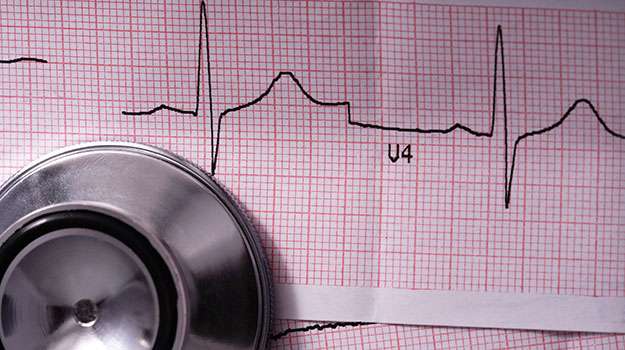
An implantable cardioverter defibrillator (ICD) is a device implanted under the skin that helps monitor heart rhythms. It delivers shocks when it detects life-threatening arrhythmias that could lead to sudden cardiac arrest.
- The need for an ICD arises from conditions like previous cardiac arrest episodes or certain structural heart diseases causing abnormal rhythms.
- Diagnosis involves evaluating medical history along with tests such as EKGs and echocardiograms to assess risks accurately before device implantation occurs.
- Treatment will focus on ongoing monitoring alongside possible medication adjustments post-implantation while ensuring device function remains intact over time.
- Patients typically experience minimal discomfort following implantation with regular follow-ups planned thereafter.
This technology plays a crucial role in preventing sudden cardiac events among at-risk individuals effectively enhancing survival rates.
PERIPHERAL ANGIOGRAM
A peripheral angiogram is performed to visualize blood vessels outside the heart. It helps diagnose disorders like peripheral artery disease (PAD) by revealing any blockages or narrowing causing reduced blood flow to limbs.
- PAD symptoms can manifest as leg pain during activities, numbness in limbs, or slow-healing wounds on feet and legs.
- This condition is diagnosed using imaging techniques such as ultrasound alongside physical examinations.
- Treatment options may include lifestyle modifications combined with medication management or interventional procedures like angioplasty if needed.
- The procedure generally entails minimal discomfort and allows quick recovery thereby relieving symptoms effectively post-diagnosis.
A peripheral angiogram thus serves as an essential tool in managing vascular health beyond just coronary arteries.
TRANSCATHETER AORTIC VALVE REPLACEMENT (TAVR)
TAVR is a revolutionary procedure indicated for patients with severe aortic stenosis who are at high risk for traditional open-heart surgery. It allows replacement of the damaged valve via a catheter without making large incisions.
- Symptoms include severe fatigue, dizziness, chest pain, and difficulty breathing during exertion.
- Diagnosis often involves echocardiography and stress testing to assess valve function severity.
- Treatment focuses on valve replacement either through TAVR or surgical options based on patient assessment.
- This procedure has improved recovery times significantly compared to standard methods, often allowing patients to return home within days.
TAVR not only improves symptoms but also enhances overall heart health significantly for eligible patients.
ELECTROPHYSIOLOGY STUDY
An electrophysiology study (EPS) is a specialized test that evaluates the electrical activity of the heart. This procedure helps diagnose arrhythmias by identifying abnormal electrical pathways.
- Common signs leading to an EPS include palpitations, fainting spells, or unexplained shortness of breath.
- The diagnosis often involves Holter monitors or echocardiograms prior to the study.
- Treatment strategies may involve medications or procedures such as catheter ablation depending on the findings during the EPS.
- This study is typically conducted in a hospital setting, but it is relatively quick and minimally invasive.
The results can guide treatment decisions tailored specifically for your heart's rhythm disturbances.
ANGIOPLASTY AND STENTING
Angioplasty and stenting are minimally invasive procedures used to open blocked or narrowed coronary arteries, improving blood flow to the heart. These techniques are commonly performed during a cardiac catheterization.
- Symptoms of coronary artery disease may include chest pain (angina), shortness of breath, and fatigue.
- The condition is diagnosed through tests such as angiograms, stress tests, and imaging studies.
- Treatment options include lifestyle changes, medications, and in some cases, surgical interventions like angioplasty with stenting.
- You can expect a faster recovery time compared to traditional surgery, usually allowing for outpatient procedures.
These treatments aim to relieve symptoms effectively and improve quality of life for patients with heart conditions.