
Dr Pushkar Urolo
About Me
Dr Pushkar Urolo
DM
Oncologist
10 Years Experience
Biography
My Clinic
OPD Hours
| Monday | Morning | 10:00 AM | - | 02:00 PM |
| Evening | 06:00 PM | - | 09:00 PM | |
| Tuesday | Morning | 10:00 AM | - | 02:00 PM |
| Evening | 06:00 PM | - | 09:00 PM | |
| Wednesday | Morning | 10:00 AM | - | 02:00 PM |
| Evening | 06:00 PM | - | 09:00 PM | |
| Thursday | Morning | 10:00 AM | - | 02:00 PM |
| Evening | 06:00 PM | - | 09:00 PM | |
| Friday | Morning | 10:00 AM | - | 02:00 PM |
| Evening | 06:00 PM | - | 09:00 PM | |
| Saturday | Morning | 10:00 AM | - | 02:00 PM |
| Evening | 06:00 PM | - | 09:00 PM | |
| Sunday | Morning | 10:00 AM | - | 02:00 PM |
| Evening | 06:00 PM | - | 09:00 PM |
Treatments
Specialised care and treatments offered
KIDNEY CANCER
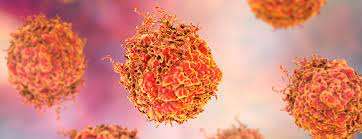
Kidney cancer originates in the kidneys' lining cells—these organs play an integral part in filtering blood. Recognizing signs linked with kidney anomalies early can aid quicker interventions potentially saving lives.
- Sneaky indicators may consist of hematuria (blood in urine), flank pain without explanation combined occasionally alongside unintended weight loss.
Treatment avenues available involve approaches such as nephrectomy removal along radiation/chemotherapy input based upon certain characteristics defined during assessing stages thereof
The outlook relies heavily upon early detection augmenting success rates drastically hence increase likelihoods improving survivorship expectations considerably across afflicted individuals where achieving complete remission remains core objective engaged throughout instances navigating these complex scenarios accordingly ensuing enriched empathetic delivery ensuring robust support remains prioritized even beyond primary clinical interactions involved herein providing evergreen significance related throughout healing endeavors engaged consequently throughout respective courses undertaken therein
OVARIAN CANCER
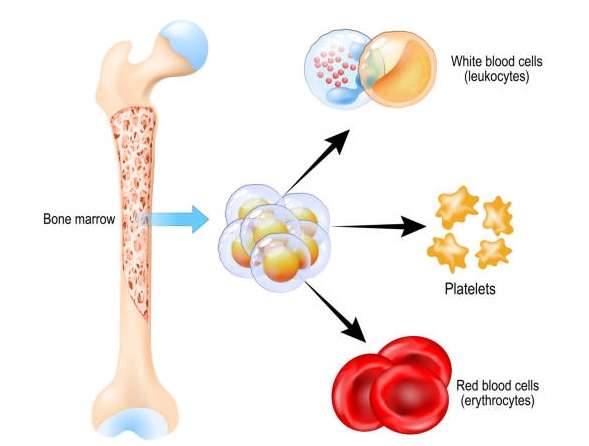
This type of cancer occurs when abnormal cells grow uncontrollably in the ovarian tissues. Early-stage ovarian cancer might not show clear symptoms; therefore regular screening becomes crucial especially for those at risk due to family history or genetic factors.
- The subtle onset may lead to symptoms like bloating, pelvic pain, or frequent urination which are commonly mistaken for other conditions.
- Differential diagnosis often requires a combination of pelvic examinations, imaging tests such as ultrasounds or CT scans alongside blood tests measuring tumor markers.
- Treatment modalities mainly include surgery followed by chemotherapy regimen focusing on eliminating residual cancer cells.
Minding overall wellness post-treatment will be important as it contributes positively towards keeping track of recovery processes while dealing effectively with any subsequent life adjustments caused by these challenges.
COLORECTAL CANCER

Colorectal cancer affects the colon or rectum and is highly prevalent. It often begins as benign polyps before becoming malignant over time. Education about screening options is essential for at-risk populations.
- Common symptoms can include changes in bowel habits, unexplained weight loss, or persistent abdominal discomfort that should not be overlooked.
- A colonoscopy is primarily used to diagnose colorectal cancers along with imaging studies if necessary for staging purposes.
- Treatment often involves surgical removal of tumors followed by chemotherapy or radiation therapy as needed based on staging results.
- Caring follow-up with healthcare providers ensures ongoing monitoring for any signs of recurrence or complications from treatment methods employed.
An informed approach towards colorectal screenings significantly aids in preventing severe outcomes associated with this disease.
PROSTATE CANCER
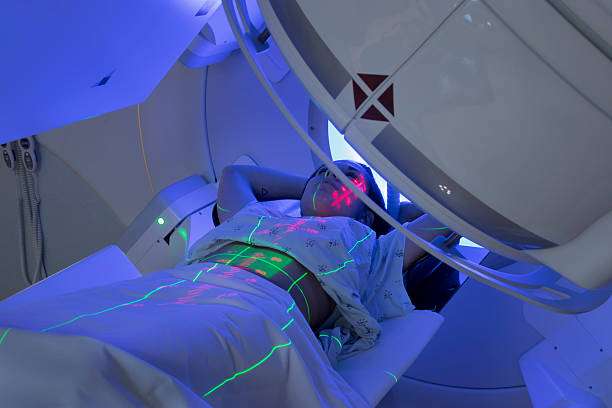
Prostate cancer develops in the prostate gland, which plays a vital role in male reproductive health. It's one of the most common cancers among men. Awareness of its symptoms can aid early intervention.
- Persistent issues such as difficulty urinating, blood in urine, or lower back pain may indicate potential problems related to prostate health.
- A combination of DRE (Digital Rectal Exam) and PSA (Prostate-Specific Antigen) tests are typically used for accurate diagnosis.
- Treatment options vary widely from active surveillance to more aggressive measures like surgery, radiation therapy, or hormone therapy depending on severity.
- Regular check-ups are recommended after treatment to ensure continued health monitoring and management of any side effects that arise post-therapy.
Understanding prostate health promotes proactive engagement with healthcare professionals for optimal outcomes.
LUNG CANCER
Lung cancer is one of the leading causes of cancer-related deaths worldwide. It primarily develops in lung tissues and often goes undetected until advanced stages. Awareness of risk factors is essential for prevention.
- The primary risk factor is smoking, but exposure to pollutants and genetic predisposition can also contribute.
- Differentiating between non-small cell lung cancer (NSCLC) and small cell lung cancer (SCLC) is critical for diagnosis through imaging tests like CT scans.
- Treatment strategies may include surgery, chemotherapy, targeted therapy, or immunotherapy based on individual patient profiles.
- Post-treatment care includes monitoring for recurrence and managing any lasting effects from therapies undertaken.
A timely approach to lung cancer can enhance treatment effectiveness and survival rates.
BREAST CANCER
Breast cancer is a significant health concern that affects many women globally. It originates in the breast tissue and can manifest in various forms. Understanding this condition is crucial for early detection and effective treatment.
- Symptoms may include lumps in the breast, changes in breast shape or size, and unusual discharge from the nipple.
- Diagnosis typically involves mammograms, ultrasounds, and biopsies to determine the presence of cancerous cells.
- Treatment options range from surgery and radiation therapy to chemotherapy and hormonal therapy, depending on the stage and type of cancer.
- Patients can expect regular follow-ups post-treatment to monitor recovery and address any concerns promptly.
Early diagnosis of breast cancer significantly improves treatment outcomes, making awareness vital.