
Dr Pushpa Lata Gu
About Me
Dr Pushpa Lata Gu
MD
Dermatologist
10 Years Experience
Biography
My Clinic
OPD Hours
| Monday | Morning | 10:00 AM | - | 02:00 PM |
| Evening | 06:00 PM | - | 09:00 PM | |
| Tuesday | Morning | 10:00 AM | - | 02:00 PM |
| Evening | 06:00 PM | - | 09:00 PM | |
| Wednesday | Morning | 10:00 AM | - | 02:00 PM |
| Evening | 06:00 PM | - | 09:00 PM | |
| Thursday | Morning | 10:00 AM | - | 02:00 PM |
| Evening | 06:00 PM | - | 09:00 PM | |
| Friday | Morning | 10:00 AM | - | 02:00 PM |
| Evening | 06:00 PM | - | 09:00 PM | |
| Saturday | Morning | 10:00 AM | - | 02:00 PM |
| Evening | 06:00 PM | - | 09:00 PM | |
| Sunday | Morning | 10:00 AM | - | 02:00 PM |
| Evening | 06:00 PM | - | 09:00 PM |
Treatments
Specialised care and treatments offered
PHOTODYNAMIC THERAPY (PDT)
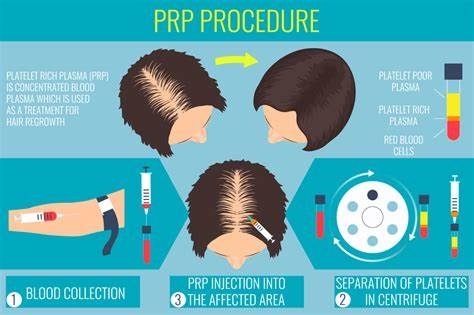
Photodynamic Therapy utilizes light-sensitive medication alongside blue or red light therapy to treat precancerous cells or acne effectively. It aims at targeting specific areas while minimizing damage to surrounding tissues.{
SCLEROTHERAPY
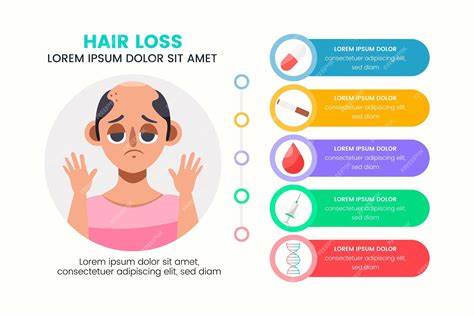
Sclerotherapy is a minimally invasive procedure aimed at treating varicose veins and spider veins by injecting a sclerosing agent into affected vessels. This causes them to collapse and fade from view over time.
- Symptoms Presenting Issues: Varicose veins appear as swollen veins often accompanied by aching or throbbing sensations in legs.
- Dermatological Evaluation: A consultation will determine vein condition suitability for sclerotherapy based on size and location of veins treated
This treatment offers significant cosmetic improvement with lasting results without major complications associated with surgical options.
CRYOTHERAPY
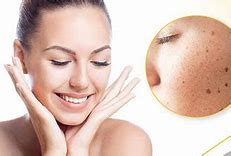
Cryotherapy involves freezing abnormal tissue on the skin's surface using liquid nitrogen. This method is commonly applied in treating warts, actinic keratosis, and other superficial lesions.
- Your Symptoms: Growths or lesions that appear irregularly on the skin are prime candidates for this treatment.
- Diagnostic Steps: A dermatologist assesses these abnormalities through visual inspection before proceeding with cryotherapy.
- Treatment Technique: The freezing process destroys abnormal cells while minimizing harm to surrounding tissue by targeting only affected areas.
This effective approach encourages healing and reduces lesion recurrence without extensive recovery times required by surgical methods.
CHEMICAL PEELS
Chemical peels are procedures designed to improve the texture and appearance of the skin by applying a chemical solution that exfoliates dead skin cells. They range from mild to deep peels based on patient needs.
- Conditions Treated: Ideal for reducing visible signs of aging such as fine lines, sun damage, and uneven pigmentation.
- Efficacy Assessment: A dermatologist will evaluate your skin type prior to selecting the appropriate peel level for optimal results.
- Treatment Process: The application process varies; some peels require downtime while others allow immediate return to daily activities.
Chemical peels not only enhance the surface appearance of the skin but also encourage new cell growth for lasting results.
LASER RESURFACING
Laser resurfacing is an innovative procedure designed to improve the appearance of the skin by stimulating collagen production. It can effectively reduce wrinkles, scars, and other blemishes.
- Symptoms: Common concerns like fine lines, age spots, and acne scars can lead individuals to seek this treatment.
- Diagnosis: A careful assessment by a dermatologist determines if laser resurfacing is suitable for your specific needs.
- Treatment Management: The procedure often involves using targeted lasers to remove damaged skin layers safely.
- Post-Procedure Care: Patients should expect temporary redness and swelling after treatment but notice significant improvements over time.
This approach not only enhances skin texture but also promotes long-term rejuvenation through natural healing processes.
MOHS MICROGRAPHIC SURGERY
Mohs Micrographic Surgery is an advanced technique used to treat skin cancer. This procedure is highly effective and involves removing cancerous skin in layers while preserving as much healthy tissue as possible.
- Symptoms: Skin cancer may present as a persistent sore, a growth on the skin, or changes in existing moles.
- Diagnosis: Dermatologists perform a thorough examination and may use a biopsy to confirm the presence of skin cancer.
- Treatment Options: Mohs surgery is performed under local anesthesia, allowing for immediate evaluation of removed tissue.
- What to Expect: Patients can usually expect minimal scarring and a high cure rate with this method.
This technique ensures that all cancer cells are excised while maximizing the preservation of surrounding healthy skin.