
Dr R C Meena MS
About Me
Dr R C Meena MS
DO
Ophthalmologist
10 Years Experience
Biography
My Clinic
OPD Hours
| Monday | Morning | 10:00 AM | - | 02:00 PM |
| Evening | 06:00 PM | - | 09:00 PM | |
| Tuesday | Morning | 10:00 AM | - | 02:00 PM |
| Evening | 06:00 PM | - | 09:00 PM | |
| Wednesday | Morning | 10:00 AM | - | 02:00 PM |
| Evening | 06:00 PM | - | 09:00 PM | |
| Thursday | Morning | 10:00 AM | - | 02:00 PM |
| Evening | 06:00 PM | - | 09:00 PM | |
| Friday | Morning | 10:00 AM | - | 02:00 PM |
| Evening | 06:00 PM | - | 09:00 PM | |
| Saturday | Morning | 10:00 AM | - | 02:00 PM |
| Evening | 06:00 PM | - | 09:00 PM | |
| Sunday | Morning | 10:00 AM | - | 02:00 PM |
| Evening | 06:00 PM | - | 09:00 PM |
Treatments
Specialised care and treatments offered
PTERYGIUM MANAGEMENT
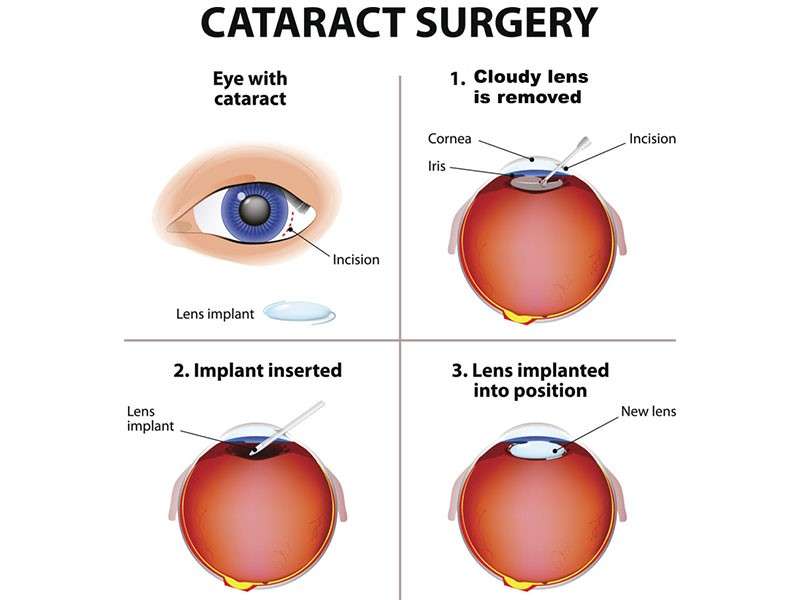
A pterygium is a benign growth on the conjunctiva that can extend toward the cornea causing irritation or cosmetic concerns if left unchecked over time.
- Etiology & Manifestations: Prolonged ultraviolet light exposure coupled with dry environments predisposes people; redness, foreign body sensation commonly present early.
- Diagnostic Workup: Slit-lamp examination identifies characteristic triangular fibrovascular tissue encroaching corneal surface distinguishing it from other lesions.
- Management Options: mild cases benefit from lubricating drops reducing dryness while anti-inflammatory medications help during exacerbations.
- Monitoring Its Progression: Regular follow-up important since advanced growths causing visual axis obstruction might necessitate surgical removal usually reserved for symptomatic patients.
When addressed appropriately through conservative means initially followed by procedural intervention when indicated enables maintenance of ocular comfort alongside preservation of vision quality.
BLEPHARITIS
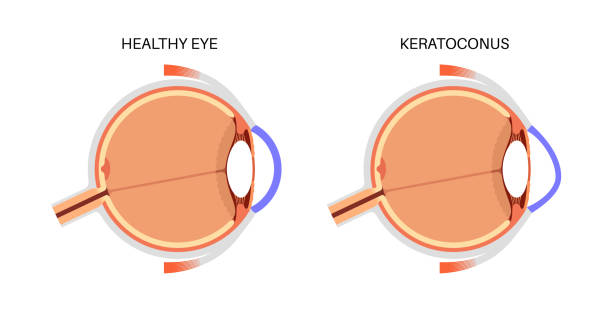
Blepharitis is an inflammation of the eyelid margins that causes discomfort and potential disruption of normal tear film production if untreated long term.
- Main Features & Causes: redness along lids accompanied by crusting or dandruff-like flakes at base of eyelashes frequently indicates blepharitis due to bacterial overgrowth or skin disorders like rosacea.
- Diagnostic Steps: primarily based on clinical examination looking for typical lid margin changes rather than laboratory tests routinely required unless infections suspected strongly.
- Treatment Plans: emphasize meticulous eyelid hygiene via warm compresses followed by gentle scrubbing with diluted cleansers to reduce bacterial load effectively without harsh chemicals harming sensitive tissue involved .
- Adjunctive therapies: topical antibiotics used selectively if bacterial involvement worsens .
- Patient education revolves around consistent lid care for symptom control .
Proper ongoing management greatly reduces flare-ups ensuring better comfort as well as preserving healthy ocular surface stability vital for clear vision.
AGE-RELATED MACULAR DEGENERATION (EARLY STAGE)
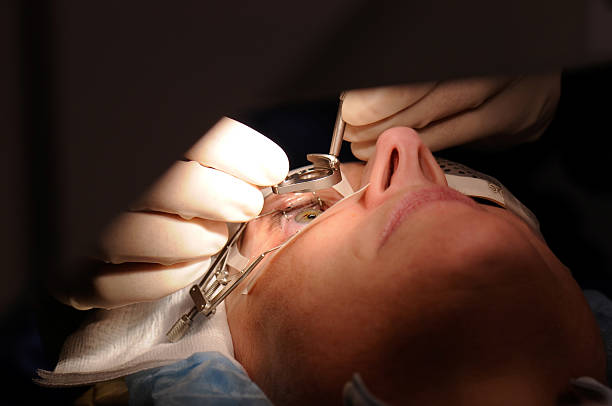
This progressive disorder affects the central part of the retina called the macula and is a leading cause of vision loss in older adults during its early phase.
- Causative Factors & Symptoms: age-related degeneration leads to difficulty recognizing faces or reading; early signs include blurred central vision or distortion.
- Diagnostic Evaluation: includes retinal imaging techniques like optical coherence tomography (OCT) to monitor macular health carefully.
- Treatment Approaches: antioxidant vitamin supplements have been shown to slow progression in early AMD cases according to clinical research findings.
- Lifestyle Recommendations: protecting eyes from UV rays through sunglasses, quitting smoking, maintaining a balanced diet rich in leafy greens support retinal health substantially.
Evolving treatment protocols paired with vigilant monitoring empower patients to maintain functional vision longer despite this condition’s presence.
COMPUTER VISION SYNDROME
The prolonged use of digital devices may cause Computer Vision Syndrome (CVS), which includes several visual symptoms due to eye strain.
- Signs & Symptoms: dry eyes, blurred vision, headaches, neck pain, and difficulty focusing after screen exposure are common experiences.
- Assessment Techniques: comprehensive eye exams help diagnose CVS by ruling out other ocular diseases while evaluating visual ergonomics.
- Treatment Strategies: ergonomic improvements like adjusting screen position, taking regular breaks with the 20-20-20 rule provide relief.
- Avoidance Measures: optimizing lighting conditions and possible use of blue light filters protect eyes during extended device use.
An integrated approach combining proper optics correction and behavioral changes typically reduces CVS symptoms effectively over time.
ALLERGIC CONJUNCTIVITIS
This condition arises from eye inflammation triggered by allergens such as pollen or dust. It often affects individuals seasonally or year-round.
- Symptoms & Causes: itching, redness, tearing, and swelling around the eyes are hallmark symptoms caused by allergen exposure.
- Diagnosis Process: typically involves patient history and physical examination to distinguish allergic causes from infections or other eye issues.
- Treatment Methods: antihistamine or mast cell stabilizer eye drops help control allergic reactions; avoiding known triggers is essential.
- Lifestyle Advice: maintaining clean living spaces and using cold compresses can reduce irritation effectively.
Mild to moderate allergic conjunctivitis is manageable with medical treatments combined with environmental control measures for lasting comfort.
DRY EYE SYNDROME
Dry Eye Syndrome is a common condition where the eyes do not produce enough tears or the tears evaporate too quickly, leading to discomfort.
- Causes and Symptoms: irritation, burning sensation, redness, blurry vision, and a feeling of grittiness are typical signs.
- Diagnosis: an eye specialist evaluates tear quantity and quality using tests like Schirmer's test and tear breakup time.
- Treatment Options: include artificial tears, lifestyle changes such as reducing screen time, wearing protective eyewear, and managing underlying conditions.
- Management: warm compresses and eyelid hygiene can improve symptoms by reducing inflammation.
With appropriate care and adjustments, most individuals experience significant relief from dry eye symptoms without invasive procedures.