
Dr R G Yadav Mc
About Me
Dr R G Yadav Mc
MS
Urologists
10 Years Experience
Biography
My Clinic
OPD Hours
| Monday | Morning | 10:00 AM | - | 02:00 PM |
| Evening | 06:00 PM | - | 09:00 PM | |
| Tuesday | Morning | 10:00 AM | - | 02:00 PM |
| Evening | 06:00 PM | - | 09:00 PM | |
| Wednesday | Morning | 10:00 AM | - | 02:00 PM |
| Evening | 06:00 PM | - | 09:00 PM | |
| Thursday | Morning | 10:00 AM | - | 02:00 PM |
| Evening | 06:00 PM | - | 09:00 PM | |
| Friday | Morning | 10:00 AM | - | 02:00 PM |
| Evening | 06:00 PM | - | 09:00 PM | |
| Saturday | Morning | 10:00 AM | - | 02:00 PM |
| Evening | 06:00 PM | - | 09:00 PM | |
| Sunday | Morning | 10:00 AM | - | 02:00 PM |
| Evening | 06:00 PM | - | 09:00 PM |
Treatments
Specialised care and treatments offered
INCONTINENCE MANAGEMENT
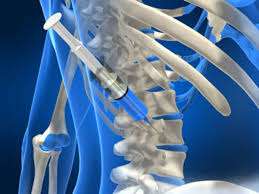
Losing bladder control leading to leakage is defined as urinary incontinence. This condition varies widely in severity but significantly impacts daily life quality when persistent without proper care.
- Symptoms and causes: Symptoms include involuntary urine leakage triggered by coughing ,sneezing ,or urgency ; causes include weakened pelvic muscles neurological disorders ,or prostate issues.
- Diagnosis: Assessment involves symptom evaluation bladder diary urodynamic studies,and sometimes imaging .
- Treatment options: Depending on type severity pelvic floor exercises behavioral therapies medications ,or surgical interventions may be recommended .
- What to expect: Many patients experience significant improvement through nonsurgical methods though some cases require long-term management strategies.
Effective communication with healthcare providers ensures personalized plans promoting bladder control restoration whenever possible .
PROSTATE CANCER SCREENING

The screening process aims at early detection of prostate cancer before symptoms develop. Early diagnosis greatly improves treatment success rates for this potentially serious condition affecting men as they age.
- Symptoms and causes: Often asymptomatic in early stages; risk factors include age over 50 years family history ,and certain genetic predispositions.
- Diagnosis: Screening typically involves a blood test measuring prostate-specific antigen (PSA ) levels combined with digital rectal examination.
- Treatment options: Suspicious findings warrant further evaluation via biopsy ; treatment depends on cancer stage ranging from surveillance ,surgery,to radiation therapy.
- What to expect: Regular screening allows timely intervention minimizing complications ,with follow-up essential after abnormal results.
Consultation about benefits & risks helps determine appropriate screening schedule customized per patient circumstances .
ERECTILE DYSFUNCTION

Erectile Dysfunction (ED) refers to difficulty achieving or maintaining an erection suitable for sexual activity. It affects men of various ages but becomes more prevalent with age or underlying health conditions.
- Symptoms and causes: Persistent inability to achieve erection can result from vascular issues, neurological disorders, psychological factors, or medications.
- Diagnosis: Evaluation includes medical history review, physical exam, blood tests for hormone levels, and sometimes specialized vascular studies.
- Treatment options:
URINARY TRACT INFECTION (UTI)

A Urinary Tract Infection (UTI) occurs when bacteria invade any part of the urinary system. It is a common infection that affects both men and women but can be more complicated in males due to anatomical differences.
- Symptoms and causes: Burning sensation while urinating, frequent urge to urinate, cloudy or strong-smelling urine commonly indicate UTI caused by bacterial contamination.
- Diagnosis: Urine culture tests confirm the presence of bacteria; physical examination may also be necessary in recurrent cases.
- Treatment options: UTIs are usually treated with prescribed antibiotics tailored according to sensitivity testing results.
- What to expect: Prompt treatment usually resolves symptoms quickly; untreated infections risk spreading to kidneys causing more serious complications.
Taking preventive measures such as adequate hydration can reduce UTI occurrence significantly over time.
KIDNEY STONES

Kidney stones are solid deposits that form in the kidneys from minerals and salts. They can cause significant pain and urinary problems when passing through the urinary tract.
- Symptoms and causes: Sharp back or side pain, blood in urine, nausea, and frequent urination are common symptoms; dehydration and dietary factors often contribute to stone formation.
- Diagnosis: Imaging studies like ultrasound or CT scan help confirm stone size and location; urine analysis identifies risk factors.
- Treatment options: Small stones may pass naturally with hydration; larger stones might require lithotripsy or surgical removal.
- What to expect: Pain management is critical during stone passage; prevention includes dietary modifications and adequate fluid intake.
An individualized approach helps minimize recurrence risk and maintains kidney function effectively.
BENIGN PROSTATIC HYPERPLASIA (BPH)

Benign Prostatic Hyperplasia (BPH) is a common condition affecting the prostate gland in aging men. It involves noncancerous enlargement of the prostate, which can interfere with normal urine flow.
- Symptoms and causes: Frequent urination, weak urine stream, urgent need to urinate, and incomplete bladder emptying are common symptoms caused by prostate enlargement.
- Diagnosis: Diagnosis typically involves a physical exam including digital rectal examination, urine tests, and sometimes ultrasound or uroflowmetry.
- Treatment options: Management ranges from lifestyle changes and medication to minimally invasive procedures or surgery, depending on severity.
- What to expect: Early treatment can improve quality of life; many patients respond well to medications like alpha-blockers or 5-alpha reductase inhibitors.
Proper evaluation and follow-up are key to managing BPH effectively and maintaining urinary health over time.