
Dr R K Jain, Dr
About Me
Dr R K Jain, Dr
MD
Dermatologist
10 Years Experience
Biography
My Clinic
OPD Hours
| Monday | Morning | 10:00 AM | - | 02:00 PM |
| Evening | 06:00 PM | - | 09:00 PM | |
| Tuesday | Morning | 10:00 AM | - | 02:00 PM |
| Evening | 06:00 PM | - | 09:00 PM | |
| Wednesday | Morning | 10:00 AM | - | 02:00 PM |
| Evening | 06:00 PM | - | 09:00 PM | |
| Thursday | Morning | 10:00 AM | - | 02:00 PM |
| Evening | 06:00 PM | - | 09:00 PM | |
| Friday | Morning | 10:00 AM | - | 02:00 PM |
| Evening | 06:00 PM | - | 09:00 PM | |
| Saturday | Morning | 10:00 AM | - | 02:00 PM |
| Evening | 06:00 PM | - | 09:00 PM | |
| Sunday | Morning | 10:00 AM | - | 02:00 PM |
| Evening | 06:00 PM | - | 09:00 PM |
Treatments
Specialised care and treatments offered
SEBORRHEIC DERMATITIS
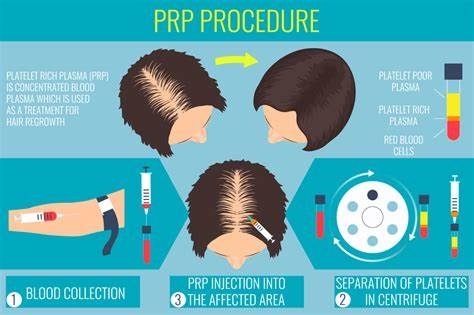
This chronic form of eczema mainly affects areas rich in oil glands such as the scalp and face. Seborrheic dermatitis leads to flaky patches that require careful attention for relief...
- The hallmark signs generally include greasy scales or yellowish crusts atop reddened skin along with potential itchiness;
- Diagnosis frequently relies upon visual inspection confirming flaky patches associated distinctively with oiliness compared against other rashes;
- Treatment might entail medicated shampoos combined safely alongside topical antifungals targeting yeast proliferation contributing prominently toward flare-ups;
- Patients should expect gradual clearance achieved efficiently when adhering diligently enough toward prescribed routines;
Understanding seborrheic dermatitis fosters practical strategies yielding noticeable improvements within daily skincare regimens greatly influencing overall comfort levels!
CONTACT DERMATITIS
This form of dermatitis arises from direct contact with irritants or allergens causing localized inflammation. Identifying specific triggers is vital for successful long-term management of this condition...
- The main symptoms usually encompass redness at the contact site along with itching or burning sensations; blisters may also develop in severe reactions;
- Diagnosis generally follows patient history discussions about recent exposures complemented by physical assessments regarding rash characteristics;
- Treatment focuses primarily on avoiding identified irritants alongside topical steroids aimed at alleviating swelling until recovery occurs;
- Lifestyle modifications often suggest incorporating gentle cleansers while limiting exposure periods significantly enhances outcomes over time;
This knowledge empowers individuals affected by contact dermatitis to advocate effectively for their skincare needs ensuring optimal recovery practices throughout their lives!
ROSACEA
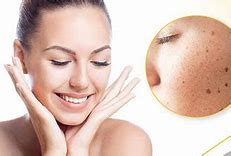
An increasingly common inflammatory condition known as rosacea leads to facial redness often accompanied by visible blood vessels. Identifying triggers plays a crucial role in managing its outbreaks effectively.
- Common symptoms involve flushing or persistent redness on the face predominantly affecting the cheeks and nose alongside sometimes burning sensations;
- A thorough examination conducted by a dermatologist usually aids in diagnosing rosacea through symptom review without needing additional tests;
- Treatment approaches commonly include topical creams containing azelaic acid or antibiotics for reducing inflammation alongside lifestyle adjustments;
- Persistent care can mitigate flare-ups while enabling patients to enjoy improved confidence in their appearance over time;
A solid understanding of rosacea assists individuals in maintaining control over their symptoms through proactive management efforts.
ACNE
Acne is one of the most common skin conditions affecting teenagers and adults alike. It manifests through various forms like pimples or cysts due to clogged pores from excess oil production and dead skin cells.
- The primary symptoms include whiteheads, blackheads, pimples on the face or body, and sometimes scarring if not managed properly.
- Diagnosis is usually clinical; dermatologists assess the type of acne present for tailored treatment plans.
- Effective management may incorporate topical retinoids, antibiotics for inflammation control, or hormonal treatments depending on underlying factors.
- Patients can anticipate improvement over time but may require ongoing treatment adjustments for optimal results.
By understanding acne mechanics and treatment options available, patients can work proactively towards clearer skin health.
ECZEMA (ATOPIC DERMATITIS)
Eczema, or atopic dermatitis, is an inflammatory skin condition commonly seen in children but can persist into adulthood. It's marked by itchy and inflamed skin that requires careful management to prevent complications like infections.
- This condition often presents with symptoms such as intense itching, redness, dry patches of skin, and cracking or weeping areas.
- Diagnosis typically involves a detailed patient history along with a physical examination to confirm irritation patterns.
- Treatment strategies may involve topical corticosteroids, moisturizers to maintain hydration levels in the skin, and antihistamines to relieve itching.
- Patients are encouraged to identify triggers such as certain fabrics or allergens that worsen their eczema to manage symptoms effectively.
A comprehensive understanding of eczema equips individuals to implement effective long-term care strategies.
PSORIASIS
Psoriasis is a chronic skin condition characterized by rapid skin cell production, leading to thick, red patches covered with silvery scales. It can significantly impact quality of life due to discomfort and visibility. Managing this condition is essential for reducing flare-ups and improving skin appearance.
- Symptoms may include red patches of skin covered with thick, silvery scales, dry and cracked skin that may bleed, and itching or burning sensations.
- A diagnosis often involves a physical examination by a healthcare provider, and in some cases, a biopsy is done to rule out other conditions.
- Treatment options include topical therapies, phototherapy, and systemic medications that target the immune system response.
- Patients can expect a personalized treatment plan based on severity, effectiveness of previous treatments, and lifestyle considerations.
Understanding psoriasis helps patients manage their condition better and seek timely intervention when flare-ups occur.