
Dr R K Panchal
About Me
Dr R K Panchal
General Physician
Biography
My Clinic
OPD Hours
| Tuesday | Morning | 10:00 AM | - | 02:00 PM |
| Evening | 06:00 PM | - | 09:00 PM | |
| Wednesday | Morning | 10:00 AM | - | 02:00 PM |
| Evening | 06:00 PM | - | 09:00 PM | |
| Thursday | Morning | 10:00 AM | - | 02:00 PM |
| Evening | 06:00 PM | - | 09:00 PM | |
| Friday | Morning | 10:00 AM | - | 02:00 PM |
| Evening | 06:00 PM | - | 09:00 PM | |
| Saturday | Morning | 10:00 AM | - | 02:00 PM |
| Evening | 06:00 PM | - | 09:00 PM | |
| Sunday | Morning | 10:00 AM | - | 02:00 PM |
| Evening | 06:00 PM | - | 09:00 PM | |
| Thursday | Morning | 10:00 AM | - | 02:00 PM |
| Evening | 06:00 PM | - | 09:00 PM |
Treatments
Specialised care and treatments offered
GASTROINTESTINAL HEALTH ASSESSMENT
The gastrointestinal (GI) system impacts digestion profoundly. Disorders like IBS (Irritable Bowel Syndrome) can cause chronic discomfort yet require careful evaluation for proper management.
- Symptoms: Abdominal pain ,bloating ,changes in bowel habits constitute common presentations associated with GI ailments .
- Causes: Diet variations ,stress levels ,and previous infections substantially influence GI functionality .
- Diagnosis: Patient history combined with stool tests often aid identifying underlying issues .
- Treatment: Dietary modifications paired with stress management techniques constitute initial therapeutic steps ; medication might follow based upon symptom severity if necessary .
- What To Expect:
RESPIRATORY FUNCTION TESTING

Adequate respiratory function is crucial for overall health. Conditions like asthma and COPD severely impact breathing ability but can often go undetected initially.
- Symptoms: Shortness of breath, wheezing,coughing ,and chest tightness frequently characterize these conditions .
- Causes: Allergens ,pollution ,smoking,and genetic factors play significant roles .
- Diagnosis: Spirometry measures lung function while peak flow tests assess maximum airflow rates after exhalation .
- Treatment: Inhalers ,medications targeting inflammation allergies along with lifestyle alterations form core aspects of management plans .
- What To Expect: Regular evaluations guide adjustments ensuring optimal respiratory health over time .
Timely testing aids in diagnosing respiratory issues before they escalate into serious concerns .
THYROID FUNCTION TESTS

The thyroid gland plays a significant role in metabolism. Disorders like hypothyroidism or hyperthyroidism can lead to numerous symptoms affecting overall well-being.
- Symptoms: Fatigue, weight gain or loss, mood swings, hair loss or thinning skin can signal thyroid dysfunctions.
- Causes: Autoimmune disorders like Hashimoto's thyroiditis or Graves' disease often contribute to these conditions.
- Diagnosis: Blood tests measuring TSH (Thyroid Stimulating Hormone) alongside T3 and T4 hormones confirm thyroid status.
- Treatment: Depending on the diagnosis; hormone replacement therapy for hypothyroidism or antithyroid medications for hyperthyroidism are common approaches.
- What to Expect: Ongoing monitoring ensures dose adjustments can maintain balanced hormone levels over time.
Having regular screenings facilitates early detection of thyroid disorders leading to effective management strategies.
CHOLESTEROL TESTING
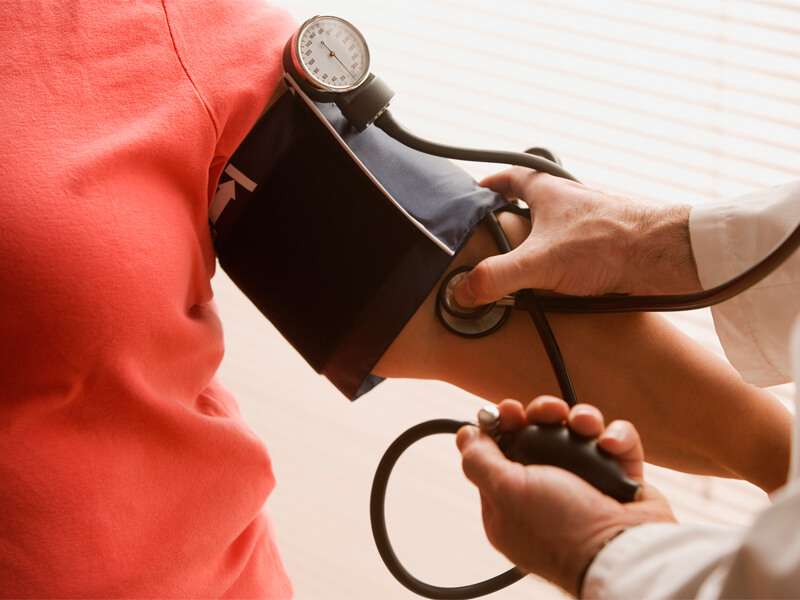
Lipid profiles are essential for assessing cardiovascular health. High cholesterol can lead to heart disease but often presents no symptoms at first glance.
- Symptoms: Generally asymptomatic; however, conditions like chest pain may arise due to narrowed arteries over time.
- Causes: Poor diet high in saturated fats and trans fats, obesity, sedentary lifestyle, smoking, and genetics can elevate cholesterol levels.
- Diagnosis: A simple blood test measures total cholesterol as well as LDL (bad) and HDL (good) cholesterol levels.
- Treatment: Dietary modifications coupled with exercise can significantly lower cholesterol; medications may also be required for some individuals.
- What to Expect: Periodic testing helps track progress and determine if further interventions are needed.
This preventive measure plays a critical role in maintaining heart health over the long term.
DIABETES SCREENING AND MANAGEMENT

Diabetes is a chronic condition that affects how your body processes glucose. Early detection through screening is vital for effective management and prevention of complications.
- Symptoms: Increased thirst, frequent urination, fatigue, and blurred vision may indicate diabetes.
- Causes: Factors include obesity, inactivity, genetic predisposition, and age.
- Diagnosis: Fasting blood sugar tests or A1C tests help identify diabetes or prediabetes status.
- Treatment: Management involves lifestyle changes like diet and exercise along with possible insulin therapy or oral medications.
- What to Expect: Regular follow-ups are necessary to monitor glucose levels and adjust treatment plans accordingly.
A proactive approach can help control diabetes effectively and greatly improve quality of life.
HYPERTENSION MANAGEMENT
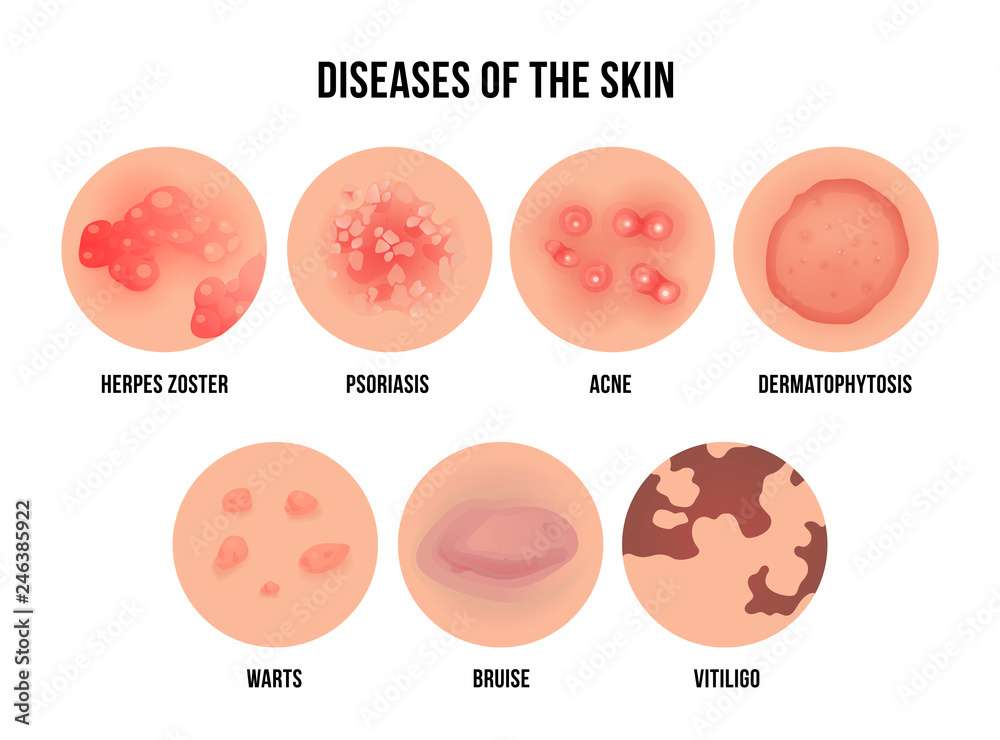
Hypertension, commonly known as high blood pressure, is a condition that can lead to serious health issues if not managed properly. It often develops silently and may go unnoticed until it causes complications.
- Symptoms: Many individuals experience no symptoms; however, some may have headaches, nosebleeds, or shortness of breath at severe levels.
- Causes: Factors include genetics, poor diet, lack of physical activity, and stress.
- Diagnosis: Blood pressure readings taken on multiple occasions are the primary diagnostic tool.
- Treatment: Lifestyle modifications such as dietary changes and increased physical activity are crucial. Medications may be prescribed when necessary.
- What to Expect: Regular monitoring will be essential to ensure blood pressure remains in a healthy range.
Effective management of hypertension is vital for preventing long-term health complications such as heart disease and stroke.